
Summary: A recent incident in Odisha’s Kendrapara district has drawn attention to rising instances of discrimination and public harassment against Muslims in India. A Muslim street vendor was reportedly forced by a group of individuals to chant a Hindu slogan after being accused of being an outsider, reflecting broader societal tensions fueled by rising Hindutva nationalism.
Incident Details
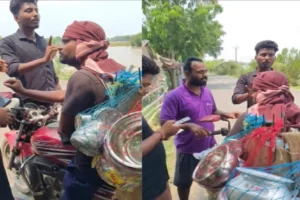
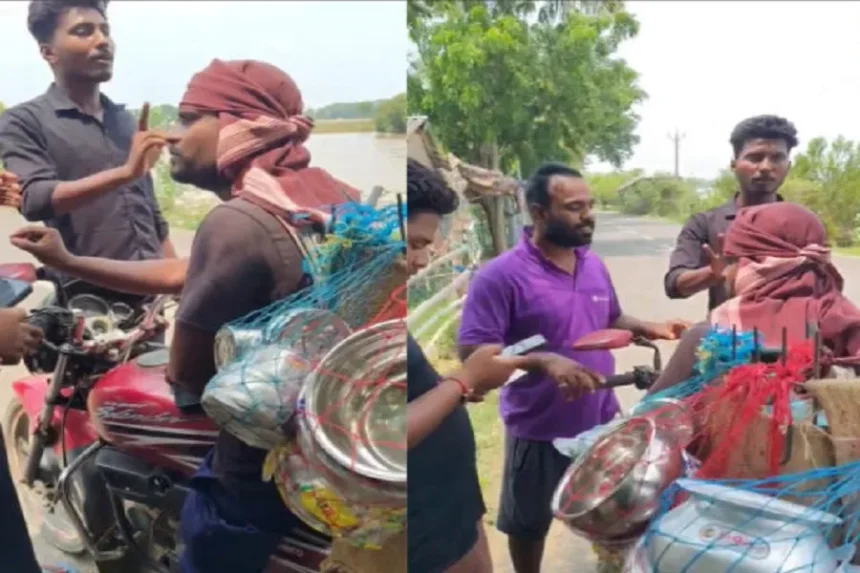
Video footage that has gone viral on social media captures a disturbing event where a Muslim street vendor was allegedly accosted and compelled to chant “Jai Shri Ram” in Kendrapara district, Odisha. The incident reportedly transpired while the vendor was trying to earn a living, highlighting a climate of intimidation based on religious identity. In the videos, the man is surrounded by a group questioning his identity, which led to the objection to his presence in the area, as shared by users on various platforms.
Upon confirming that he is Muslim, the group intensified their aggression, with some clips showing them hurling slurs such as “Bangladeshi” at him. Reports suggest one of the assailants is linked to the right-wing Bajrang Dal; however, the authorities have yet to verify this or any details regarding the individuals involved.
Public Reaction and Social Media Outcry
The incident has evoked widespread condemnation on social media, where users have expressed their outrage over the harassment faced by the vendor. Many called for accountability and swift action from law enforcement agencies. One tweet highlighting the incident described the assailants as “terrorists” and demanded that the Odisha Police investigate the issue. Users also emphasized the ongoing trend of mandating Muslims to prove their loyalty and citizenship, with comments resonating with a sense of injustice and warning against the normalization of such harassment.
This incident mirrors a troubling pattern in which individuals from minority communities, particularly Muslims, face threats and intimidation from self-styled vigilantes. Rights activists have voiced deep concern about how these episodes reflect an alarming rise in communal tensions that are often exacerbated by political narratives and social media sensationalism.
Context of Discrimination and Marginalization
The harassment faced by the vendor is emblematic of a broader context of discrimination against Muslims in India, particularly under the current Sangh and BJP governments. Instances of marginalization and communal violence have reportedly surged in recent years, closely linked to an environment where Hindutva ideology has gained significant traction. This environment has fostered a sense of insecurity among minority communities, making economic boycotts, social exclusion, and various forms of public intimidation more prevalent.
Civil rights organizations have highlighted how Muslims and migrant workers are frequently subjected to unnecessary identity checks and harassment, raising serious questions about the erosion of civil liberties and the protection of constitutional rights. Such incidents are often not isolated, and the growing normalcy of such acts of discrimination further complicates efforts toward social cohesion in a diverse society like India.
Why It Matters
The recent incident involving the Muslim vendor in Odisha holds significant implications for how societal attitudes can shift, particularly towards marginalized communities. As reported instances of hostility and discrimination increase, it is essential for policymakers and civil society to recognize these trends and address the root causes. This incident also underscores the importance of human rights advocacy and the need for protective measures to ensure that all individuals, regardless of their religious identity, can exist peacefully and without fear of persecution. Such perspectives are vital not just for the social fabric of India, but they resonate globally, reminding us of the critical need for policies that safeguard human dignity and rights.
Frequently Asked Questions
What happened to the Muslim street vendor in Kendrapara district?
A Muslim street vendor was reportedly harassed by a group of men, who compelled him to chant “Jai Shri Ram” after questioning his identity and accusing him of being Bangladeshi.
Who were the attackers, and what was their motive?
The attackers have been linked to the right-wing group Bajrang Dal, and their actions appear to stem from a broader agenda of targeting individuals based on religious identity, reflecting rising communal tensions.
What has been the public response to the incident?
The incident triggered widespread condemnation on social media, with many users calling for police action against the perpetrators and criticizing the ongoing culture of harassment aimed at Muslims.
How does this incident fit into larger societal issues in India?
This incident exemplifies a troubling trend of discrimination and marginalization against Muslims, particularly within the context of Hindutva nationalism, highlighting the need for greater awareness and action against such acts of intolerance.