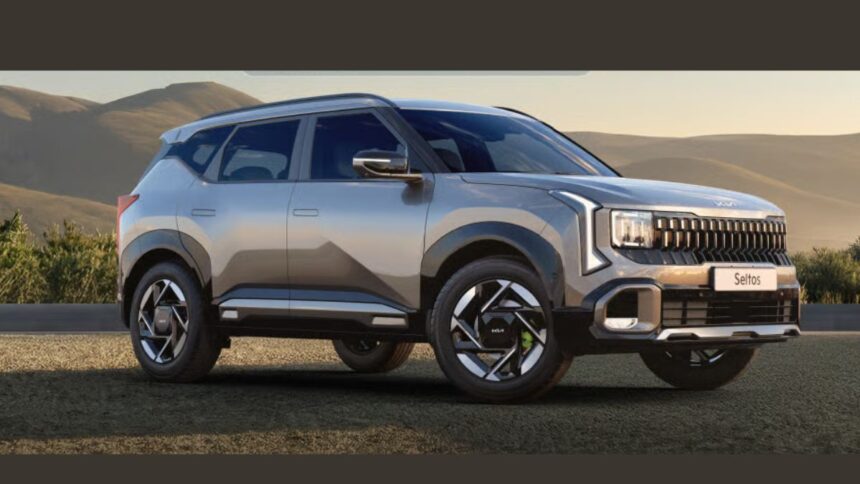

Kia India is poised to make a significant splash in the Indian automotive market with the anticipated launch of two electrified SUVs—the Syros EV and Sorento Hybrid—set for the second half of July 2026. These vehicles aim to reinforce Kia’s commitment to electric mobility in one of its top-priority markets, catering to various consumer needs.
Introducing the Kia Syros EV
The Kia Syros EV is expected to be the most affordable electric SUV from the brand in India. Teaser videos and test mules spotted on Indian roads hint at its imminent arrival. While it retains much of the design of the regular Syros SUV, modifications will be made to enhance its electric identity. This includes a more aerodynamic front end, unique wheel designs, and special EV-specific details.
Inside the Syros EV, buyers can expect cutting-edge features designed for modern connectivity and comfort. Key interior highlights will include:
- A large touchscreen interface
- A digital instrument cluster for real-time updates
- Advanced connectivity features supporting smartphone integration
- Wireless charging capabilities for devices
- Ventilated seats for added comfort
- A comprehensive suite of safety features
Battery Performance and Pricing
While specific battery details remain under wraps, it is widely speculated that the Syros EV will borrow battery technology from the globally successful Hyundai Inster EV, with options likely including a 42kWh or 49kWh battery pack. The expected driving range is approximately 369 kilometers, a viable distance for city commutes and highway journeys alike.
The price is projected to range between Rs 15 lakh and Rs 20 lakh (ex-showroom), positioning the Syros EV as an attractive entry-level offering in the burgeoning electric SUV market in India. Key competitors include the Tata Nexon EV and MG Windsor EV, which are already well-established in this segment.
Kia Sorento Hybrid: A Premium Option
Alongside the Syros EV, Kia is also set to introduce the Sorento Hybrid, a premium three-row SUV that is already available in international markets. The Indian variant is reportedly codenamed MQ4i and is expected to feature a 1.5-liter hybrid petrol engine. Whether or not it retains the “Sorento” name in India remains to be confirmed.
The Sorento Hybrid will provide ample space for families, measuring about 4.8 meters in length and equipped with three rows of seating. It will boast numerous high-end features, including state-of-the-art driver assistance technologies, premium upholstery, and advanced infotainment options.
Pricing for the Sorento Hybrid is anticipated to start around Rs 30 lakh (ex-showroom), positioning it against rivals like the Mahindra XUV 700 and other hybrid SUVs emerging in the Indian market.
What This Means
Kia’s dual launch strategy signals its intent to deepen its footprint in India’s electrified vehicle sector. With increasing government incentives for electric vehicles and a growing consumer preference for eco-friendly options, the arrival of the Syros EV and Sorento Hybrid is timely. These vehicles will cater to various market segments—from budget-conscious buyers seeking their first electric SUV to families in search of spacious, feature-laden options.
As more manufacturers explore electric and hybrid options, Kia’s commitment indicates the potential for further innovation and competitiveness in the Indian automotive landscape.
Frequently Asked Questions
When will the Kia Syros EV be launched in India?
The Kia Syros EV is expected to be launched in the second half of July 2026.
What is the estimated price range of the Kia Syros EV?
The anticipated price for the Syros EV is expected to fall between Rs 15 lakh and Rs 20 lakh (ex-showroom).
What are the main competitors for the Kia Sorento Hybrid in India?
The Kia Sorento Hybrid will compete with vehicles like the Mahindra XUV 700 and other hybrid three-row SUVs that are set to enter the Indian market.
How does the range of the Syros EV compare to other electric SUVs in India?
The claimed range of 369 kilometers makes the Syros EV competitive, particularly when compared to similar models like the Tata Nexon EV, which also has a solid range for daily commutes and weekend trips.