
Calls for Dialogue Amid Rising Tensions
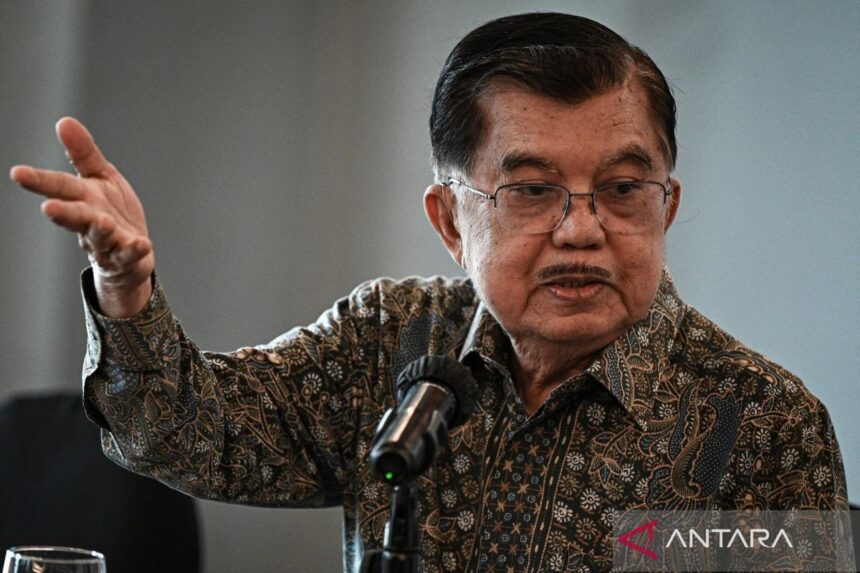
Former Indonesian Vice President Jusuf Kalla has urged Islamic nations to engage in dialogue and diplomacy to resolve the worsening conflicts in the Middle East. His remarks come at a critical juncture, following the collapse of negotiations between Iran and the United States, which has led to renewed hostilities in the region.
Regional Conflicts and the Need for Unity
At the 8th Islamic Congress held in Jakarta, Kalla expressed his disappointment over the resurgence of tensions, particularly highlighting the ongoing conflict in Yemen and internal divisions among Arab states. “We deeply regret the escalating conflict,” Kalla stated, emphasizing the need for member nations of the Organization of Islamic Cooperation (OIC) to take an active role in fostering peace.
He noted that a breakdown in dialogue inevitably leads to further division and conflict, stressing the importance of unity among Arab nations. “We hope that Arab nations in the Middle East will also strive to promote peace among themselves,” he added, highlighting that internal unity is vital for stability.
The Role of Indonesia in Global Peace Efforts
As the world’s largest Muslim-majority nation, Indonesia has a unique moral responsibility to advocate for peace in the Islamic world. Kalla, who also chairs the Indonesian Mosque Council (DMI) and the Indonesian Red Cross (PMI), emphasized the significance of constructive dialogue in resolving inter-communal disputes. “Dialogue remains the key to resolving disputes among Muslim nations,” he asserted.
Kalla reaffirmed Indonesia’s commitment to supporting peace initiatives, particularly in the context of the ongoing crisis in Palestine. He expressed concerns over how external powers influence regional conflicts, urging them not to draw countries into the turmoil. “Ending violence is the essential first step toward lasting peace,” he noted. This stance underlines Indonesia’s aim to cultivate a more stable and harmonious Middle Eastern landscape.
Why It Matters
The escalating conflicts in the Middle East, particularly involving Iran and the United States, carry significant implications for international relations and security. Dialogue and diplomacy remain crucial—not only for resolving conflicts but also for ensuring that external powers do not exacerbate existing tensions. The situation highlights the critical roles that international organizations like the OIC and nations like Indonesia can play in mediating disputes and fostering collaboration among Islamic countries. Moreover, as communities worldwide watch developments in the Middle East, the discourse around unity, peace, and the avoidance of violent confrontation is increasingly pertinent.
Frequently Asked Questions
What are the main factors contributing to the conflict in the Middle East?
Key factors include geopolitical rivalries, religious divisions, economic interests, and the influence of external powers which can exacerbate tensions and conflict among nations in the region.
What role does dialogue play in conflict resolution?
Dialogue serves as a platform for conflicting parties to express their viewpoints, negotiate terms, and identify common ground, ultimately leading to peaceful resolutions rather than violent confrontations.
How can Indonesia contribute to peace in the Middle East?
As the largest Muslim-majority nation, Indonesia can provide moral leadership, engage in diplomatic initiatives, and serve as a neutral ground for dialogue among conflicting parties, emphasizing solidarity and cooperation among Islamic nations.
What is the Organization of Islamic Cooperation (OIC)?
The OIC is an international organization founded in 1969, consisting of 57 member states, aiming to promote Islamic solidarity and advocate for the interests of Muslims globally, including conflict resolution and humanitarian assistance.