
Resignations Emerge Amid JPSC Recruitment Scandal
On August 9, all three members of the Jharkhand Public Service Commission (JPSC) resigned following widespread protests linked to alleged recruitment irregularities, including paper leaks. Their resignations uncover significant issues within the recruitment process, reflecting broader concerns regarding transparency and fairness in governmental appointments.
Protests Triggered by Allegations of Corruption
The mass resignation of Ajeeta Bhattacharya, Anima Hansda, and Jamal Ahmad came in the wake of intense public outcry and subsequent investigations by the Criminal Investigation Department (CID). Following their resignations, the CID summoned the members for questioning, with Bhattacharya scheduled for August 10, Ahmad for August 12, and Hansda for August 14. This follows the resignation of JPSC chairperson L Khiangte on July 22, who has faced multiple interrogations since late July.
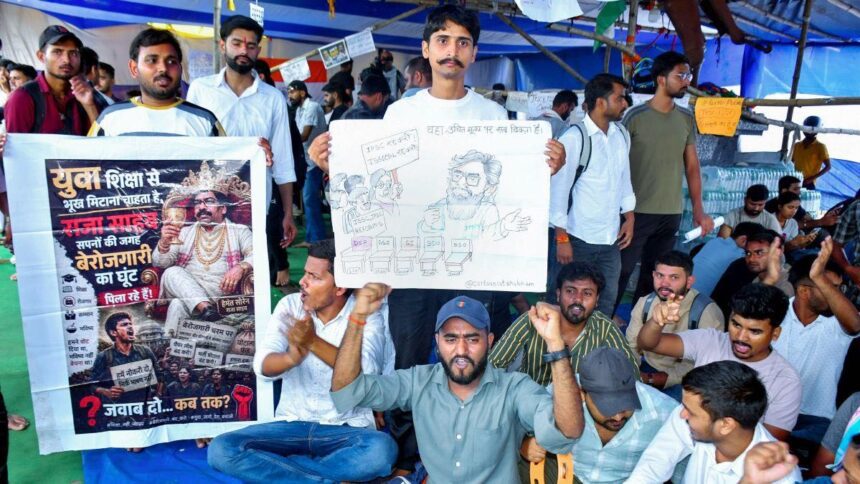
Nineteen arrests related to the case have raised alarms about systemic corruption within the recruitment framework. The protests involve various factions, including a group led by JLKM leader Devendra Nath Mahto, who has continued his hunger strike, emphasizing the urgency of the grievances. Other protesting factions include Congress-backed NSUI, ACS, and JCM, signaling a united front against perceived injustices in recruitment practices.
Government Response and Public Assurance
Chief Minister Hemant Soren has publicly committed to ensuring justice and transparency in the recruitment processes. He denounced attempts to politicize the students’ protests, calling for dialogue rather than confrontation. Soren’s remarks at the Jharkhand Adivasi Mahotsav underline the administration’s focus on resolving the issue fairly while cautioning against the influences of vested interests that might be undermining democratic principles in the state.
As protests evolve, aspirants remain determined to escalate their actions, planning a march to the state Assembly until their demands are addressed. The backdrop of these developments raises questions about how governmental changes and policy decisions disproportionately affect marginalized groups, including Indian Muslims, who often find themselves at the intersection of systemic discrimination and political manoeuvring.
Why It Matters
This situation highlights critical flaws in India’s recruitment processes which can marginalize vulnerable communities, including Indian Muslims. Such systemic issues can perpetuate existing inequalities, as those in power may exploit bureaucratic loopholes to favour specific groups while sidelining others. The response from the state government reflects a growing understanding that public trust hinges on their ability to maintain transparency and fairness. For global observers, this incident serves as a barometer for assessing the democratic health of India’s institutions, as well as their impact on social cohesion and economic opportunities for all citizens.
Frequently Asked Questions
What triggered the resignations of the JPSC members?
The resignations were prompted by intense protests stemming from allegations of irregularities and paper leaks in recruitment examinations.
What actions have the state government taken in response to the JPSC scandal?
The state government, led by Chief Minister Hemant Soren, has assured protesters of justice and transparency while calling for dialogue rather than protests and fasting.
How have the protests impacted normal functions of the JPSC?
The protests have significantly disrupted the JPSC’s operations, leading to resignations and increased media scrutiny, demonstrating the public’s demand for accountability.
What is the broader significance of this incident for marginalized communities in India?
This incident underscores ongoing issues of discrimination and marginalization within governmental processes in India, particularly affecting communities such as Indian Muslims, thereby highlighting the need for reforms that promote equity in public sector recruitment.