
Growing Tensions in Ranchi: FIR Filed Against Protesters
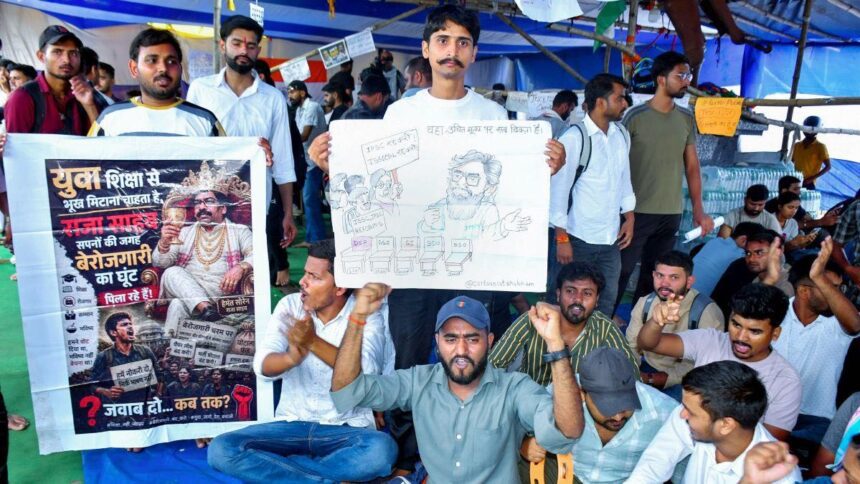
On August 13, the Ranchi police lodged a first information report (FIR) against 300 unnamed individuals following a student protest march to the Jharkhand Assembly on August 10. The protesters were advocating for action regarding alleged irregularities in state recruitment examinations, aligning their concerns with broader issues of systemic transparency and equity in governmental practices.
Context of the Protest: Demands for Fairness
The students’ march, which has been part of ongoing demonstrations lasting nearly 20 days, highlighted pressing concerns about fairness in job recruitment within the state. Claiming that the recruitment process has been marred by irregularities, the demonstrators sought accountability from the government. These protests coincide with a larger trend of youth discontent in India, particularly among marginalized groups, seeking equitable access to employment opportunities.
Clashes and Violence: A Escalation of Tensions
The protest escalated into a confrontation between demonstrators and police forces, resulting in injuries to 14 police personnel as officers employed batons, water cannons, and tear gas to disperse the crowds. According to Ranchi SP Paras Rana, the FIR outlines serious allegations including violations of prohibitory orders, damage to government property, and attacks on police. The case is currently being pursued by local law enforcement officials, with the use of CCTV footage to identify the individuals involved.
Prohibitory Measures and Their Impact
Prior to the protest, prohibitory orders under Section 163 of the BNSS were enacted, banning assemblies of five or more individuals within a 750-metre radius of the Assembly from August 6 to August 12. Such restrictions are intended to maintain public order, but they also raise questions about freedom of assembly and expression, particularly among groups who feel disenfranchised. This tension reflects ongoing societal divides, especially regarding marginalized communities who often face systemic discrimination in various forms.
Why It Matters
The events in Ranchi underscore significant issues of governance, equity, and social justice in India. As the youth increasingly voice their grievances against systemic irregularities, it highlights the importance of transparent recruitment processes that are accessible to all demographics, including economically marginalized communities. Moreover, the protests raise concerns about the curtailment of civil liberties under the guise of maintaining public order, prompting further scrutiny of state actions against demonstrators. Such developments are not only vital for domestic audiences but also raise questions about India’s commitment to democratic principles, making it a topic of global interest.
Frequently Asked Questions
What was the reason for the protests in Ranchi?
The protests were driven by students demanding accountability for alleged irregularities in state recruitment examinations, as part of ongoing frustrations regarding employment opportunities.
What measures did the police take during the protest?
During the protest, police employed batons, water cannons, and tear gas to disperse the crowd, resulting in injuries to fourteen police personnel.
What legal actions have been taken following the protest?
An FIR was registered against 300 unnamed individuals for violations of prohibitory orders, damage to government property, and assaults on police, with investigations aided by video footage.
What are the implications of the prohibitory orders imposed before the protest?
The prohibitory orders restricted gatherings and demonstrations under the pretenses of maintaining public order, raising concerns about the right to assembly and the ability of marginalized groups to express dissent.