
Destruction of Cultural Heritage in Gaza
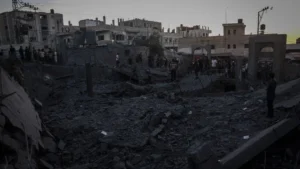
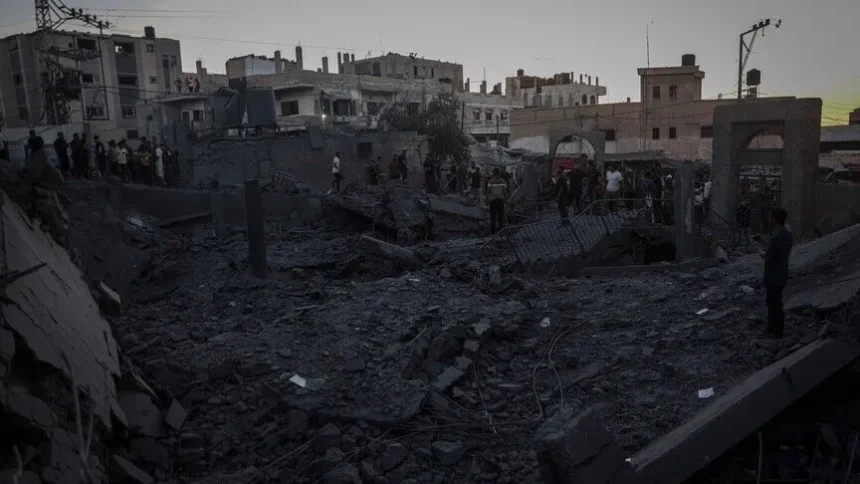
The ongoing conflict in Gaza has led to the tragic loss of significant cultural landmarks, most recently exemplified by the Israeli airstrike that devastated the Abu Salim Mosque in Deir al-Balah. Heritage workers and municipal teams are now engaged in a race against time to recover whatever cultural artifacts remain from this historic site.
Efforts to Recover Artifacts
In the wake of the airstrike, volunteers from the Palestinian Heritage Guardians, along with local municipality workers, have begun sifting through the ruins of the Abu Salim Mosque. Their efforts are focused on rescuing carved stonework, ornamental marble fragments, and rare library books that have survived the destruction, as reported by Anadolu. The salvaged artifacts are being carefully moved to secure locations to ensure their protection and to maintain the possibility of restoration in the future.
The Significance of Abu Salim Mosque
Constructed in 1951, Abu Salim Mosque stood for approximately 75 years, showcasing a blend of Ottoman and Egyptian architectural influences. Beyond its religious functions, the mosque served as a vital cultural hub for the local community. Its destruction is emblematic of the broader damage inflicted on religious and cultural sites throughout Gaza amidst the recent military bombardments. Historic buildings, libraries, and various landmarks are being systematically destroyed or severely damaged alongside civilian infrastructure, marking a significant loss of cultural heritage.
Impact of Ongoing Military Action on Gaza’s Culture
The destruction of the Abu Salim Mosque has intensified concerns over Gaza’s cultural heritage amid the current military actions. The Health Ministry of Gaza has reported a staggering death toll, with 1,296 Palestinians killed and 4,296 wounded since a U.S.-brokered ceasefire on October 10, 2025. Overall, more than 73,000 Palestinians have reportedly lost their lives since the onset of the conflict in October 2023. Efforts to recover historical artifacts highlight the urgency for cultural preservation as many communities strive to retain their identity in the face of extensive destruction.
Why It Matters
The situation in Gaza emphasizes the critical nature of cultural preservation during conflicts. The loss of historical sites not only erodes the identity of a community but also hampers future generations’ understanding of their heritage. For developers and users working in cultural preservation technologies, the situation calls for innovative solutions to document and protect cultural heritage that is at risk. The urgent need for digital archiving and the creation of virtual repositories becomes apparent, as traditional forms of preservation are often unattainable in conflict zones.
Frequently Asked Questions
What happened to Abu Salim Mosque?
Abu Salim Mosque was largely destroyed during an Israeli airstrike as part of ongoing military operations in Gaza. Heritage workers and local officials are currently engaged in efforts to recover any salvageable artifacts.
What is the historical significance of Abu Salim Mosque?
Built in 1951, Abu Salim Mosque was a significant religious site that incorporated Ottoman and Egyptian architectural styles. It served not only as a place of worship but also as a cultural gathering point for the community.
How are the efforts to recover artifacts being conducted?
Volunteers from the Palestinian Heritage Guardians and municipal workers are hand-searching the mosque’s rubble for valuable items such as carved stonework, marble fragments, and books from its library to be relocated to secure environments for preservation.
What has been the impact of the conflict on Gaza’s population?
The recent escalation in military conflict has led to significant casualties, with reports indicating that over 73,000 Palestinians have been killed and more than 174,000 wounded since October 2023, alongside extensive damage to cultural and historical sites.