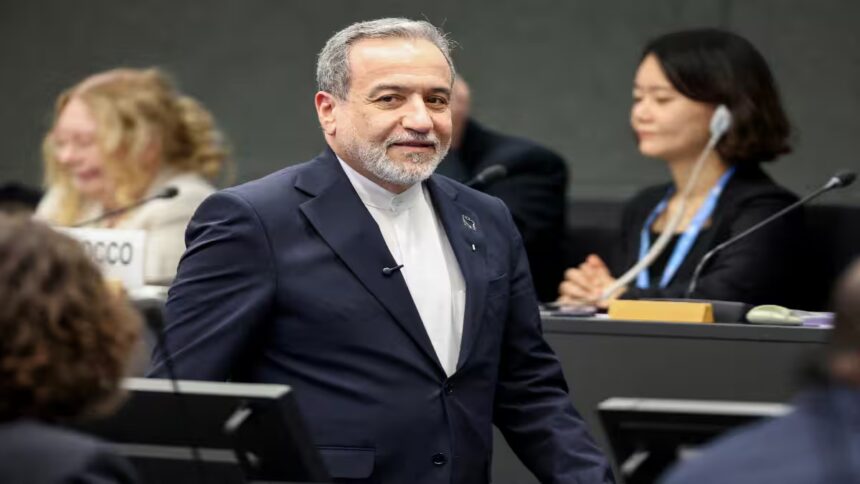

Recent diplomatic discussions have brought to light significant developments in the ongoing conflict in Lebanon, particularly regarding the role of Iranian Foreign Minister Abbas Araghchi. His remarks on major progress in US-Iran negotiations underscore the complex geopolitical landscape shaped by various international mediators.
Progress in Lebanon Conflict Negotiations
Abbas Araghchi has announced that there has been “major progress” in the talks with the United States aimed at resolving the hostilities between Israel and Hezbollah in Lebanon. He praised the mediation efforts from Pakistan and Qatar, emphasizing their critical role in facilitating dialogue. In a statement on X, Araghchi noted the establishment of a de-confliction cell as the “1st real test” of these negotiations. He also highlighted areas such as the lifting of trade blockades, the waiving of oil and petrochemical exports, and the initiation of a significant reconstruction and development plan for Iran.
This progress comes amidst a backdrop of persistent conflict, despite numerous declarations of ceasefire. The recent memorandum of understanding between the US and Iran proposed a ceasefire in Lebanon, although Israel has expressed its intent to maintain a military presence in areas considered a buffer zone.
The Diplomatic Incident During the Talks
A dramatic incident occurred when a video surfaced showing Pakistan’s Prime Minister Shehbaz Sharif reacting to the Iranian delegates’ unexpected walkout during the negotiations. Initial expectations among the attendees were high, particularly after a warm greeting exchanged between Sharif and Araghchi. However, the Iranian delegation’s decision to leave abruptly during the talks, following a threatening statement by former US President Donald Trump, shocked onlookers and raised questions about the integrity of the negotiation process.
In the ensuing moments captured on video, Sharif was seen in discussion with Pakistan’s Interior Minister Mohsin Naqvi and Army Chief Asim Munir as they sought to manage the fallout. Political analysts have noted the stark contrast between months of diplomatic efforts by Pakistan to bring the conflicting parties together and the rapid disintegration of that dialogue due to a single threat from Trump.
Broader Implications for Regional Stability
The recent developments in Iran-US negotiations over the Lebanon conflict hold significant implications for regional stability and the dynamics of Middle Eastern geopolitics. As Araghchi highlighted progress on various issues, including the economic advancements for Iran, the potential for a ceasefire presents a glimmer of hope in a region long plagued by conflict.
The tensions involved reflect deeper divides, not just between nations, but also within communities severely affected by sanctions, military actions, and diplomatic failures. The attention on mediation efforts from Pakistan and Qatar indicates a shift in the role of regional players in international diplomacy, raising questions about the future of Western influence in the Middle East.
Why It Matters
The ongoing discussions signify a crucial juncture in Middle Eastern diplomacy. With international mediators like Pakistan and Qatar at the forefront, there is a potential for new frameworks of dialogue that could reshape alliances and influence economic recovery in affected regions. The implications of these talks reach beyond the immediate conflict, potentially impacting oil markets, trade routes, and the broader geopolitical landscape, thus affecting global economic stability.
Frequently Asked Questions
What caused the Iranian delegates to walk out of the talks?
The Iranian delegation left during the discussions following a threatening statement by former US President Donald Trump, which disrupted the atmosphere of negotiation.
What role did Pakistan and Qatar play in the negotiations?
Pakistan and Qatar were instrumental in mediating the talks, with Araghchi praising their contributions as critical to achieving major progress in the negotiations aimed at ending the conflict in Lebanon.
What agreements were highlighted by Abbas Araghchi in the negotiations?
Araghchi mentioned key agreements including the lifting of trade blockades, waiving oil and petrochemical exports, and initiating a major reconstruction and development plan for Iran as significant progress in the negotiations.
What are the implications of these negotiations for regional stability?
The negotiations could lead to a ceasefire in Lebanon, which may promote regional stability and influence the broader geopolitical dynamics, especially concerning Western influence and economic recovery in the Middle East.