
Summary
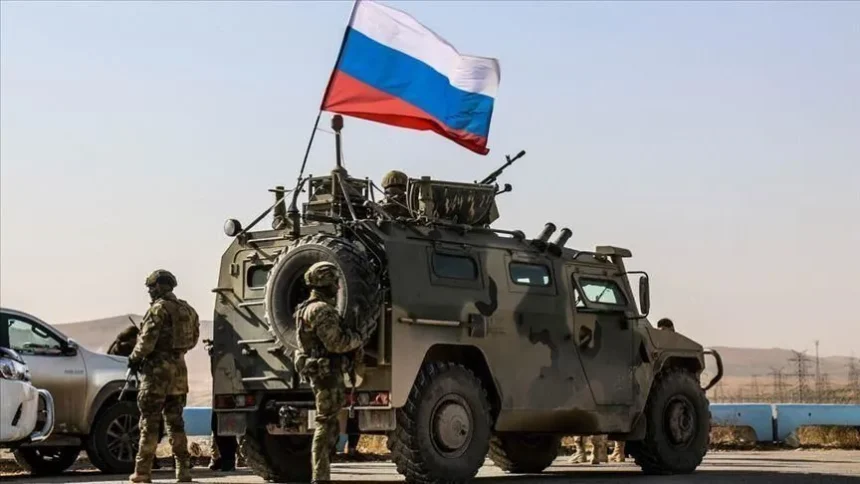
Russia’s Foreign Ministry has announced a new agreement with Syria concerning the status of Russian military bases, which is being viewed as a pivotal step in enhancing bilateral relations. Following 18 months of negotiations, a memorandum was signed on August 9, restructuring the control and functionality of Russian military facilities in Syria.
New Framework for Military Facilities
The recent memorandum outlines a significant shift in the management of Russian military assets in Syria, specifically at Hmeimim and Tartous. Under the new arrangement, the Syrian government will take control of civilian facilities, including Hmeimim airport and the commercial section of Tartous port. The transition aims to gradually integrate these facilities into the broader Syrian civilian administration, signifying a potential reduction in Russian direct control over these assets.
Joint Training Centers Established
As part of the restructuring, military facilities at the two locations will be converted into joint training centers, enhancing collaboration between Russian and Syrian forces. The completion of this transition is set for three months, during which Russian personnel are expected to continue their operations from these new centers. This change reflects an evolving military partnership, with a focus on collaborative training rather than unilateral military presence.
Implications for Bilateral Relations
The agreement, according to Russia’s Foreign Ministry, marks a significant expansion of military cooperation and is seen as providing renewed momentum to the long-standing relationship between Moscow and Damascus. This partnership has historical roots and is expected to solidify under the new framework, with both governments keen on establishing a clearer future role for Russian military facilities in the region.
Why It Matters
This agreement is significant for several reasons. Firstly, it illustrates a strategic pivot in Russia’s military engagements in the Middle East, signaling a more collaborative approach with local governments. The development of joint training centers also reflects a shift towards capacity building, which could enhance the operational capabilities of the Syrian military. Additionally, the inclusion of civilian oversight over previously Russian-controlled facilities may change regional dynamics, influencing the balance of power and cooperation in the region. This transformation must be monitored closely, given its potential impact on regional stability and international relations.
Frequently Asked Questions
What are the main components of the new agreement between Russia and Syria?
The agreement includes the Syrian government’s takeover of civilian facilities, such as Hmeimim airport and Tartous port, along with the conversion of military sites into joint training centers for both Russian and Syrian forces.
How long did the negotiations for this agreement take?
Negotiations for the agreement extended over 18 months before the memorandum was signed on August 9.
What is the significance of joint training centers?
Joint training centers facilitate cooperation and skill enhancement for the Syrian military, allowing Russian personnel to support training without maintaining a large permanent military presence.
What does this shift mean for future Russian involvement in Syria?
This shift suggests a redefined role for Russia in Syria, focusing on collaboration and support rather than direct control, which could influence broader regional power dynamics and military strategies.