
Iran’s Call for Regional Peace: A Diplomatic Ploy or Genuine Effort?
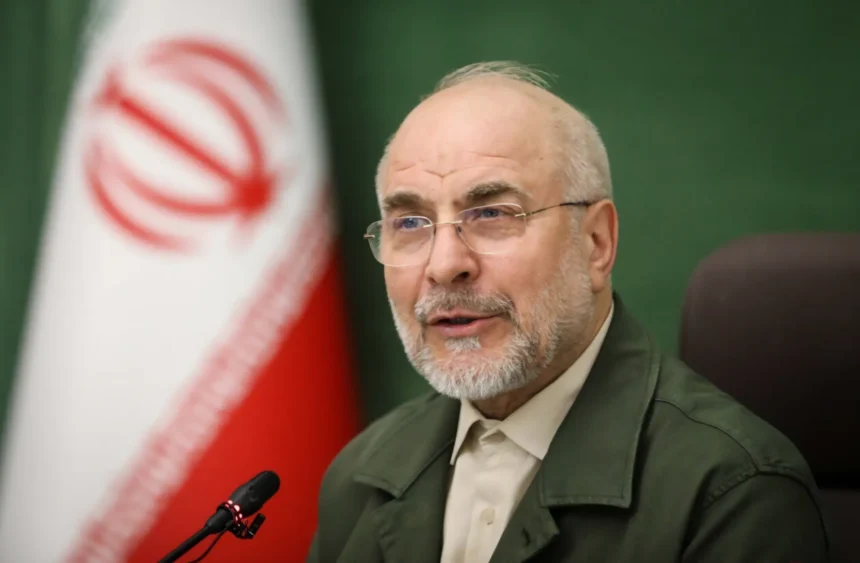
Tehran has made a bold statement regarding its commitment to regional stability by linking the resolution of the conflict in Lebanon to its own security concerns. Iranian Parliament Speaker Mohammad Bagher Qalibaf emphasized at the 20th Session of the Conference of the Parliamentary Union of the OIC Member States (PUIC) that achieving peace in Lebanon is as essential as ensuring peace within Iran itself. This declaration underscores Iran’s aim to position itself as a stabilizing force in a tumultuous region, but raises questions about the sincerity of its intentions amidst ongoing conflicts.
The Context of Qalibaf’s Remarks
During this significant four-day gathering in Baku, Azerbaijan, over 400 delegates from the Organization of Islamic Cooperation (OIC) member states congregated to discuss pertinent issues affecting the Islamic world. Qalibaf characterized the necessity of a ceasefire in Lebanon as equal to an end to hostilities affecting Iran. This sentiment comes in the context of escalating violence in Lebanon, where Israeli military actions since March 2 have resulted in over 4,100 fatalities and upwards of 12,000 injuries, as reported by official Lebanese figures. The situation is further complicated by Israel’s continued occupation of southern Lebanon, including territories seized during the recent wars.
Implications of the Islamabad Memorandum
The remarks by Qalibaf find their roots in the recently activated Islamabad Memorandum of Understanding, which resulted from ongoing diplomatic efforts between Iran and the United States. Signed electronically by Iranian President Masoud Pezeshkian and U.S. President Donald Trump, the agreement took effect on June 18. Notably, its first article mandates an immediate and permanent cessation of military operations across all fronts, specifically including Lebanon. This diplomatic gesture serves dual purposes: it aims to mitigate conflict while possibly allowing both nations to reassess their military strategies.
Why It Matters
The situation in Lebanon not only highlights regional tensions but also reflects the wider geopolitical dynamics involving Iran, the United States, and Israel. A genuine peace process could pave the way for improved diplomatic relations and economic stability in conflict-prone areas. For developers and users of the AI industry, understanding these dynamics is crucial; conflicts can influence how data is gathered and interpreted, affecting machine learning algorithms that rely on regional stability for accurate insights. Moreover, the potential for economic sanctions in case of escalated conflict could have significant repercussions for technological partnerships and collaborations.
Frequently Asked Questions
What is the Islamabad Memorandum?
The Islamabad Memorandum is an agreement between Iran and the United States that mandates an immediate and permanent cessation of military operations across all fronts, including Lebanon. It was signed electronically on June 18, involving key leaders from both nations.
Why is the conflict in Lebanon important to Iran?
Iran views the conflict in Lebanon as intertwined with its own national security. The Iranian leadership believes that achieving peace in Lebanon is crucial for the overall stability of the region and their influence within it.
What has been the impact of Israeli military actions in Lebanon?
Since March 2, Israeli military actions in Lebanon have led to more than 4,100 deaths and over 12,000 injuries, according to official Lebanese figures. This ongoing violence has further complicated diplomatic efforts in the region.
How does the current geopolitical situation affect international relations?
The current geopolitical landscape, characterized by tensions between Iran, Israel, and the United States, has significant implications for international relations. It can impact diplomatic negotiations, economic partnerships, and military strategies in the region.