
Summary
Recent reports highlight a troubling trend of discrimination against ethnic Bengali residents, particularly Muslims, in West Bengal, India. The Indian government, influenced by Hindu-nationalist sentiments, is forcibly expelling these individuals across the border into Bangladesh without adequate legal processes, exacerbating humanitarian concerns and raising significant human rights issues.
Escalating Expulsions and Human Rights Violations
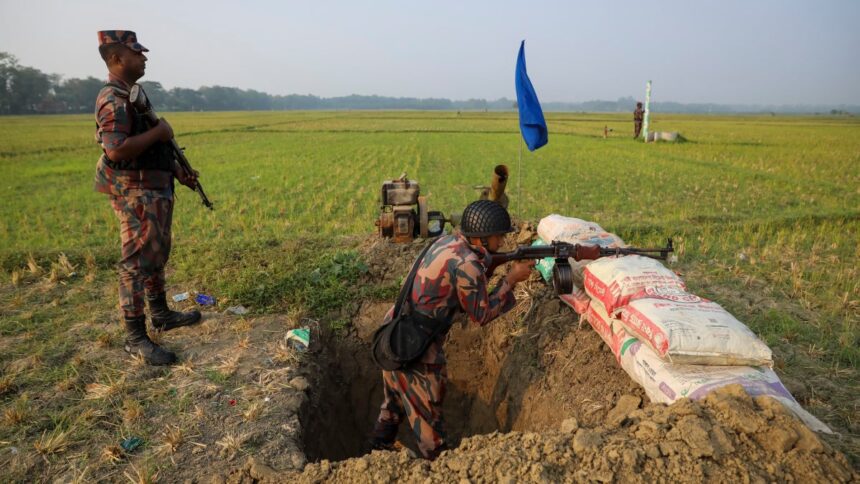
Human Rights Watch has documented alarming cases of the Indian Border Security Force (BSF) forcibly expelling ethnic Bengali Muslims from West Bengal into Bangladesh since June 2026. Authorities reportedly executed over 21 attempts to push more than 200 individuals, including children, into Bangladeshi territory, neglecting basic human rights and procedural safeguards. The political climate in West Bengal has intensified since the Hindu-majoritarian Bharatiya Janata Party (BJP) assumed power, with state chief Suvendu Adhikari stating that the government is pursuing a policy of “detect, delete and deport,” leading to significant detentions and expulsions.
Impact on Families and the Role of Bangladesh
The Indian government’s aggressive actions have left numerous families stranded at the “zero line,” the area between India and Bangladesh. Accounts from Bangladeshi villagers reveal distressing scenes where families faced severe weather conditions while being barred from entering either country. Local witnesses reported instances where Indian border guards provided only minimal support—some food—while families waited for over 75 hours to seek refuge. On June 8, reports surfaced of 11 individuals, including a pregnant woman and her child, being stranded for 48 hours before being allowed back to India, highlighting the dire conditions faced by those caught in this conflict.
Legal and Humanitarian Concerns
The treatment of these individuals raises serious legal and ethical questions. India’s indiscriminate expulsion of people undermines international conventions aimed at protecting civil and political rights. According to Human Rights Watch, the state’s actions not only violate due process, but they also leave individuals without access to food, shelter, or medical care—actions that may constitute cruel and inhumane treatment. Furthermore, Indian officials have publicly described many Bengali-speaking Muslims as “illegal immigrants,” further embedding a narrative of exclusion and marginalization within government policy.
Why It Matters
The unfolding situation in West Bengal has broader implications for human rights and governance in India, particularly in the context of growing Hindu nationalism. The systematic targeting of Muslims raises alarms about the erosion of civil liberties and the values of secularism and pluralism enshrined in the Indian constitution. Moreover, these actions risk destabilizing India’s relationship with Bangladesh, as both countries navigate the complexities of border management and human rights obligations. For developers and businesses, this climate of discrimination and unrest can lead to increased scrutiny from global partners and stakeholders advocating for ethical practices and adherence to human rights standards.
Frequently Asked Questions
What is the current situation regarding the expulsion of Bengali Muslims from India to Bangladesh?
There has been an uptick in the forcible expulsion of ethnic Bengali Muslims from West Bengal to Bangladesh by Indian border forces. This policy, supported by the ruling BJP government, lacks basic legal processes and has resulted in families being stranded at the border.
How has the political climate in India affected Muslim communities?
The rise of the Hindu-nationalist BJP has intensified systemic discrimination against Muslims, leading to policies that marginalize this community through unlawful detentions and expulsions, often justified by claims of illegal immigration.
What are the humanitarian implications of these expulsions?
Individuals expelled from India are often left stranded without basic needs. The lack of legal recourse and support makes them vulnerable to severe human rights violations, including inadequate access to food, water, and shelter.
How is Bangladesh responding to the forced expulsions from India?
Bangladeshi authorities have expressed refusal to accept individuals pushed across the border unlawfully. They emphasize the necessity of following verified repatriation protocols to ensure that any returns are conducted legally and humanely.