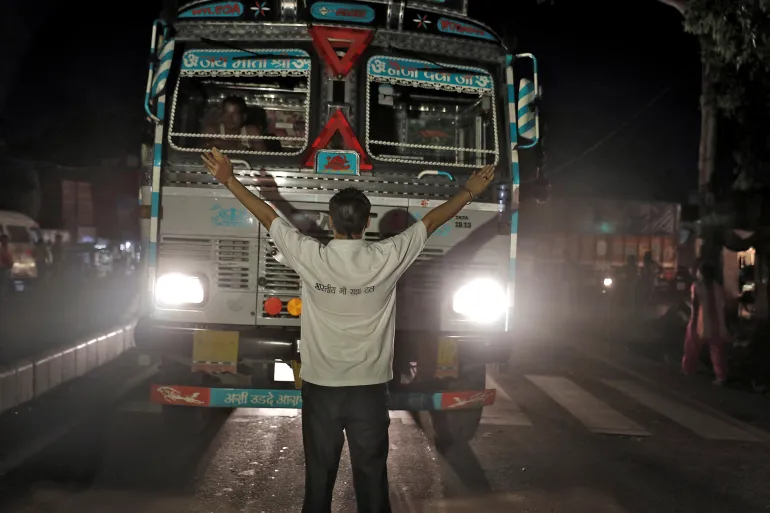

In India, escalating acts of persecution against Muslims have raised alarming concerns about human rights abuses under the rule of Prime Minister Narendra Modi and the Bharatiya Janata Party (BJP). Vigilante groups, emboldened by government policies, have been reported engaging in violence, discrimination, and social exclusion, posing serious threats to the rights and well-being of Muslim communities.
Context of Persecution Against Muslims
Since the BJP came to power in 2014, reports indicate a marked increase in violence directed at Indian Muslims. At a grassroots level, cow vigilante groups have been implicated in numerous attacks, often acting with a sense of impunity. The extrajudicial killings and attacks against this minority group highlight a systematic erosion of their rights, with police and judicial systems frequently failing to intervene or prosecute perpetrators. Notably, lynchings based on allegations of cow slaughter have become a grim reality, with over fifty documented incidents since 2014.
Legislation Enabling Discrimination
Anti-Muslim sentiment has been further entrenched through state-sponsored policies and legislative measures. The Disturbed Areas Act, primarily enacted to prevent rushed property sales in the aftermath of mob violence, has ironically been repurposed to hinder Muslim residents from acquiring property in predominantly Hindu neighborhoods. This legal tool has facilitated the ghettoization of Muslim communities, forcing them into socioeconomically disadvantaged areas while denying them housing rights elsewhere. Reports indicate that Muslims have increasingly resorted to purchasing homes in Muslim-majority enclaves out of necessity rather than choice, deepening religious segregation and stigmatization.
Violence and Cultural Genocide
The violence facing Indian Muslims has not only included physical attacks but also cultural genocide, as highlighted by laws targeting conversion and religious practices. Events like the lynching of Mohammad Akhlaq in 2015, who was wrongfully accused of storing beef, exemplify the lethal consequences of these discriminatory practices. After the incident, the legal system failed to adequately prosecute the attackers, and instead, the deceased’s family faced charges regarding cow slaughter. This narrative is indicative of how state mechanisms can perpetuate a cycle of violence rather than provide protection and justice.
Why It Matters
The ongoing persecution of Muslims in India raises significant concerns on multiple fronts. For the global community, it highlights issues of religious freedom, human rights, and the implications of populist governance. Understanding these dynamics is essential for AI developers and users engaged in social monitoring, as such discriminatory practices present data-driven challenges that require nuanced approaches to advocacy. The ongoing marginalization of vulnerable communities can also inform AI algorithms, underscoring the importance of bias mitigation in technology applications.
Frequently Asked Questions
What is the Disturbed Areas Act?
The Disturbed Areas Act allows state governments in India to declare certain areas as “disturbed,” which restricts property sales and is designed to prevent rushed transactions during communal violence. However, it has been misused to prevent Muslims from buying homes in Hindu-majority neighborhoods.
How has the rise of cow vigilantism affected Indian Muslims?
Since 2014, cow vigilantism has led to numerous attacks and extrajudicial killings of Muslims accused of cow slaughter, resulting in a heightened climate of fear and insecurity within the community. This violent trend reflects broader societal tensions and discriminatory policies aimed at marginalizing Muslims.
What are some examples of persecution against Muslims in India?
Examples include the lynching of Mohammad Akhlaq in 2015, unlawful detentions, an increase in hate crimes, and various anti-conversion laws aimed at suppressing religious freedom. These acts contribute to a culture of systemic discrimination against Muslims.
Why are Muslims segregated into ghettos in India?
Muslims have increasingly found themselves segregated into ghettos due to discriminatory housing policies like the Disturbed Areas Act, rising communal violence, and social stigmatization, which prevent them from safely residing in mixed or predominantly Hindu areas.