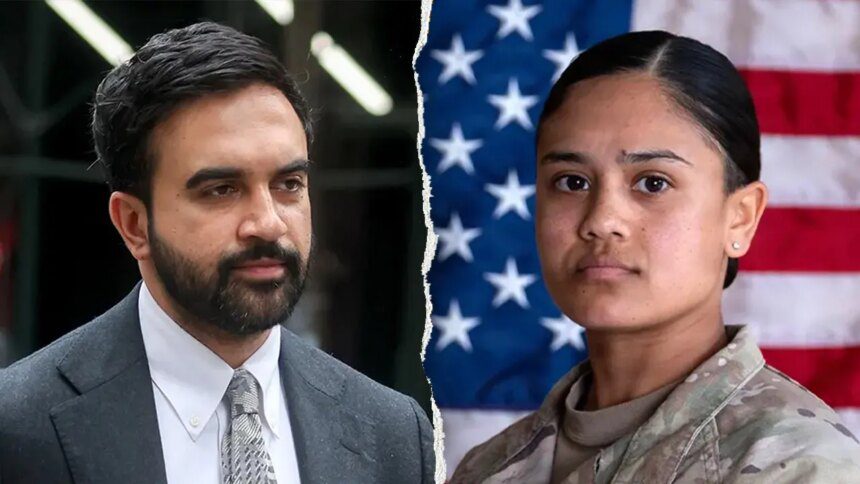

New York City Mayor Zohran Mamdani was notably absent from the funeral service of Army Sgt. Angel Sarah Rampersad, who was killed during an Iranian attack in Jordan. This decision, made by Sgt. Rampersad’s family, aimed to keep the focus on honoring the fallen soldier, avoiding any potential political distractions.
Background on Sgt. Angel Sarah Rampersad
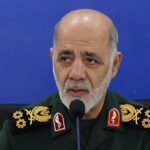
Sgt. Angel Sarah Rampersad, a 28-year-old native of Ozone Park, New York, was one of three U.S. service members tragically killed on July 17, 2026, during an enemy attack at Muwaffaq Salti Air Base, Jordan. This military operation was part of the ongoing efforts against Iranian threats in the region, which included ballistic missile and drone strikes. She was serving with the 1st Battalion, 57th Air Defense Artillery Regiment, and held the position of Signal Operations Support Specialist.
Details of the Funeral Service
The funeral service took place in a church in Ozone Park, attended by notable figures including New York Gov. Kathy Hochul. Mamdani was present but was not allowed to speak, despite having prepared remarks. Sources reported that the family specifically requested no speeches from political figures to maintain the solemnity of the occasion. Gov. Hochul shared her admiration for Sgt. Rampersad, saying, “I feel like she could be one of my daughters,” expressing the deep emotional impact of her service and sacrifice.
After the service, Mamdani’s office released his intended remarks, which reflected on the sacrifices made by service members, stating, “Sergeant Rampersad had tomorrows waiting for her… But she gave every one of them up so that we could have ours — so that we could stand here today, safe and protected.”
Political Implications and Reactions
The absence of remarks from Mamdani at the funeral underscores a growing tension between political figures and military families in the U.S. Family members often seek to honor their loved ones without turning ceremonies into platforms for political agendas. Mamdani’s situation has sparked discussions about the role of politics in military commemorations, especially in light of ongoing sentiment regarding U.S. military actions abroad and domestic political divisions.
This incident adds to ongoing dialogues concerning the responsibilities and expectations of public officials during somber occasions. The reactions from the public and political commentators have highlighted differing perspectives on how such events should be approached by elected leaders.
Why This Is Trending
The story of Sgt. Rampersad’s funeral is gaining traction in India, where interest in U.S. military affairs and their implications on geopolitical stability is growing. Indian audiences are increasingly aware of U.S. military engagements, particularly concerning Iran, due to historical ties and regional security issues. Additionally, Mamdani’s situation resonates in India, where political figures often engage in public ceremonies, making the balance between personal tributes and political presence a relevant topic.
Frequently Asked Questions
Who was Sgt. Angel Sarah Rampersad?
Sgt. Angel Sarah Rampersad was a 28-year-old U.S. Army soldier from Ozone Park, New York, killed in an attack in Jordan on July 17, 2026. She served as a Signal Operations Support Specialist in the Army.
Why was Mayor Mamdani not allowed to speak at the funeral?
Mayor Zohran Mamdani was not permitted to speak during the service at the request of Sgt. Rampersad’s family, who wanted to avoid any political distractions during the solemn occasion.
What was the reason behind the attack in Jordan?
The attack on U.S. service members at Muwaffaq Salti Air Base was part of escalating tensions involving Iranian forces, targeting U.S. and allied troops in the area as part of broader regional conflicts.
What are the implications of this event on public sentiment towards military funerals?
This incident has sparked discussions about the appropriate role of public officials during military funerals and the desire of families to keep such events focused on their loved ones, free from political influences.