Summary
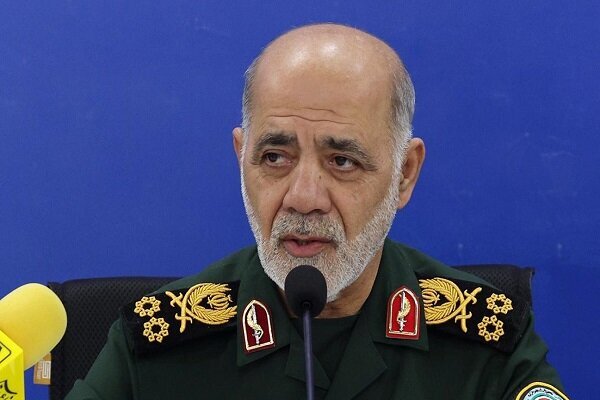
Recent remarks by Major General Ali Abdollahi emphasize a growing concern among Iranian leaders regarding the United States’ military actions in the Middle East. Abdollahi accuses the U.S. of escalating regional conflicts and exploiting local resources while warning Muslim nations to reconsider their alliances with Washington.
The U.S. Strategy in the Middle East
Major General Abdollahi, a prominent Iranian military official, has voiced strong opposition to the United States’ approach in the Middle East, claiming that it represents a dangerous strategy aimed at expanding unlawful dominance across the region. He characterized this approach as one fraught with aggression and destruction, especially against Muslim countries. Abdollahi linked the ongoing conflicts to U.S. attempts to secure its interests at the expense of local nations, suggesting that the recent war against Iran highlighted America’s willingness to engage in acts of aggression to achieve its objectives.
Exploitation of Regional Resources
Abdollahi underscored the ramifications of U.S. military actions, stating that American forces have utilized the capital, wealth, and strategic resources of Muslim nations as a shield for their own weakened military. This exploitation, he asserted, not only benefits the U.S. but also significantly strengthens its ally, which he termed the “child-killing Zionist terrorist regime.” This rhetoric holds significance as it reflects an increasing concern among regional powers regarding the impacts of foreign military strategy and its repercussions on local economies and infrastructures.
Call for Regional Cohesion and Foresight
The Iranian military leader emphasized the need for Muslim countries to be vigilant and reassess their alliances with the United States. He warned that any nation that aligns itself with the U.S. risks becoming a target in the ongoing conflicts, potentially suffering the consequences of war. Abdollahi’s statements call for intra-regional solidarity among Muslim nations to resist U.S. influence, which he claimed has shifted the balance of power in the region. The decline of U.S. military effectiveness is seen as a moment for regional nations to assert their sovereignty and interests.
Why It Matters
The implications of Abdollahi’s statements extend beyond military tensions to economic realities for the region. As countries evaluate their alliances, the potential for economic boycotts or sanctions looms. This could reshape regional economic landscapes, especially for nations that have historically relied on U.S. support. Examining these dynamics is crucial for understanding emerging geopolitical strategies, particularly in a world where economic and military ties are increasingly intertwined. The outcome may also have lasting effects on global economic trends and humanitarian conditions in affected areas.
Frequently Asked Questions
What triggered Major General Abdollahi’s statements on the U.S.?
Abdollahi’s remarks stem from ongoing military tensions in the region, particularly following recent conflicts involving the U.S. and Iran, prompting an urgent call for regional nations to reassess their alliances.
How does U.S. involvement affect local economies in the Middle East?
The U.S. military’s actions and policies can lead to destabilization in local economies by exploiting resources and causing damage to vital infrastructures, impacting the overall well-being of the region’s populations.
What are the potential consequences for Muslim countries aligning with the U.S.?
Countries that align themselves with the U.S. may face backlash, becoming targets in regional conflicts and facing the economic toll of war. As Abdollahi warned, this could severely impact domestic stability and security.
What is the significance of the term “Zionist regime” used by Abdollahi?
The term “Zionist regime” refers to the Israeli government and is often used in Iranian discourse to indicate opposition to perceived injustices against Palestinians and broader conflicts involving Israel in the Middle East.