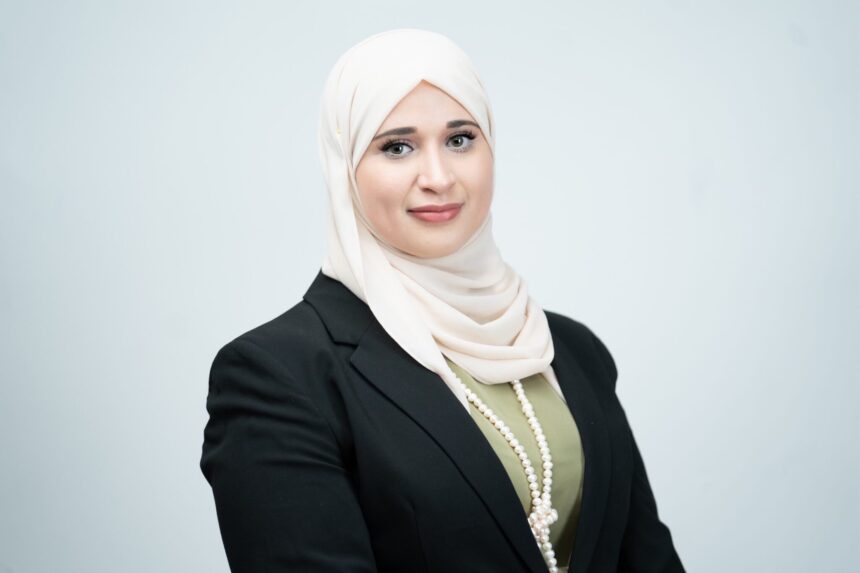

Historic Appointment of Assma Ali as Municipal Judge
Assma Ali, the daughter of Yemeni immigrants, made history by becoming the municipal judge for the City of Benoit, Mississippi, marking a significant milestone in representation. Appointed on August 5, 2023, Ali is not only the first Muslim judge in the area but also faces threats and misinformation surrounding her appointment as she begins her judicial career.
Background of Assma Ali
Ali graduated with a law degree from Mississippi Christian University in 2017 and has nearly a decade of legal experience in Mississippi. Before her appointment, she interned in Rankin and Madison counties, gaining essential insights into the judicial process. She expressed a desire to serve the community: “I hope that I’m given a chance to serve,” she told the Mississippi Free Press.
As a municipal judge, Ali is responsible for hearing cases related to municipal ordinances and state misdemeanor laws, ruling independently without a jury’s input. Despite Benoit’s small population of fewer than 400 residents, news of her appointment quickly spread, amplifying both support and backlash on social media.
Misinformation and Harassment
Shortly after her appointment, Ali became the target of misinformation, with social media claims incorrectly stating that she had been appointed in Ridgeland, Mississippi—130 miles away from Benoit. Ali clarified the situation, stating, “I never mentioned the word Ridgeland at all.” The City of Ridgeland also issued a statement denying the rumors about her appointment.
Amidst the confusion, Ali’s office began receiving threats. She attributed much of the online criticism to her being Muslim and wearing a hijab. Despite being a U.S. citizen with relevant qualifications, she stated, “It’s really bad and it’s really sad because, as an American, I never thought I would face this.”
Political Backlash and Discrimination
Following the false claims, Mississippi Senator Michael McLendon called for Ali’s removal from the bench, voicing his concerns about her appointment based on her religion. McLendon stated, “I believe in God we trust not Mohamed.” This rhetoric highlights a growing trend of discrimination, particularly targeting individuals who belong to minority groups.
Ali responded to these accusations by affirming her commitment to uphold U.S. law: “I only represent… one law, and that’s the U.S. Constitution.” She asserted that her religious background should not disqualify her from serving her community in a professional capacity.
Why It Matters
The appointment of Assma Ali as a municipal judge is indicative of the complex social dynamics at play in America regarding race, religion, and representation. Her situation reveals how advancements in representation can be met with resistance and backlash, particularly in politically charged climates. The misinformation and threats she faced can deter other qualified professionals from entering public service roles, further perpetuating cycles of marginalization. Understanding these dynamics is crucial for fostering a more inclusive environment in civic roles, which are foundational to maintaining a diverse and representative democracy.
Frequently Asked Questions
Who is Assma Ali?
Assma Ali is the newly appointed municipal judge for the City of Benoit, Mississippi, and the first Muslim to hold this position. She is a U.S. citizen and has worked as an attorney in Mississippi for nearly a decade.
What was the controversy surrounding her appointment?
Shortly after her appointment, misinformation circulated on social media claiming she was appointed in Ridgeland. Additionally, Ali faced online harassment linked to her being a Muslim and wearing a hijab.
What authority does a municipal judge have?
Municipal judges in Mississippi are responsible for hearing cases that involve violations of municipal ordinances and state misdemeanor laws, ruling from the bench without a jury.
What impact does this situation have on representation?
Ali’s experiences reflect ongoing challenges faced by diverse individuals in public service roles and highlight the need for greater understanding and support for representation in local governance.