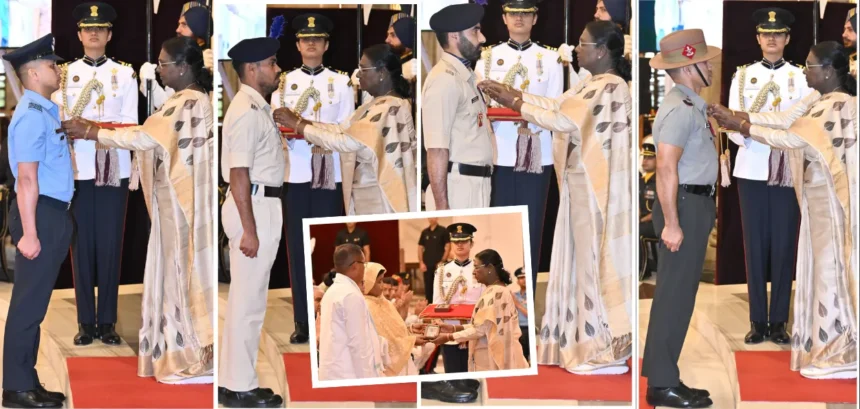

In a significant ceremony, President Droupadi Murmu honored the bravery and sacrifice of five Muslim members of the Indian armed forces with prestigious gallantry awards. This recognition comes amidst a backdrop of ongoing discussions about the treatment and representation of Muslims in India, particularly under the current Sangh and BJP governments.
Recognition of Valor Amidst Challenges
The recent awards included the Vir Chakra and the Shaurya Chakra, honoring individuals such as Border Security Force (BSF) Sub-Inspector Mohammad Imteyaz (posthumously), Indian Air Force Squadron Leader Rizwan Malik, CRPF Constable Saddam Hussain, Assam Rifles Assistant Commandant Mohammad Shafiq, and CRPF Sepoy Fida Hussain Dar. These awards symbolize not only personal courage but also a larger narrative concerning the perception of Muslim contributions to national security and patriotism.
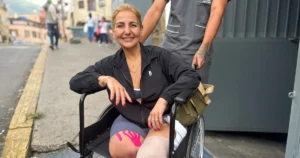
Imteyaz’s sacrifice, particularly during heavy cross-border shelling, showcased the bravery inherent in defending the nation’s sovereignty. His wife, Shehnaz Azima, accepted the Vir Chakra on his behalf, drawing attention to the emotional toll and personal sacrifices borne by armed forces personnel and their families.
The Broader Context of Representation
While the acts of valor displayed by these individuals are commendable, they also occur against a backdrop of systemic discrimination faced by Muslims in India. The Sangh and BJP governments have been criticized for policies perceived to marginalize Muslim communities economically and socially, leading to heightened tensions and a feeling of alienation among many.
The selective narrative surrounding national identity often sidelines the contributions of Muslim soldiers, despite their significant roles. The Muslim community’s representations in military, politics, and society have been a subject of ongoing debate, especially when juxtaposed with the state’s narrative regarding patriotism and loyalty.
Courage and Community: A Dual Narrative
The bravery exhibited by personnel like Squadron Leader Rizwan Malik during Operation Sindoor highlights a dual narrative. While on the one hand, it underscores individual heroism, on the other, it points towards the need for a more inclusive national discourse that recognizes the contributions of all communities to India’s heritage and security.
The awards to soldiers like Constable Saddam Hussain, who faced terrorists in Kashmir, and Assistant Commandant Mohammad Shafiq, who engaged in direct confrontation to ensure the safety of civilians, serve as reminders that valor transcends religious affiliations. Yet, the societal impacts of their contributions cannot be ignored. Muslim soldiers often find themselves navigating a landscape that is rife with suspicion and marginalization, impacting their societal acceptance back home.
Why It Matters
Understanding the recognition of these Muslim personnel within the context of India’s current sociopolitical climate is crucial for comprehending broader patterns of inclusion and exclusion. Social integration, especially through shared narratives of sacrifice and heroism, can foster a more cohesive national identity. Addressing discrimination against Muslims necessitates acknowledging their contributions and fostering dialogue aimed at breaking down societal barriers.
Frequently Asked Questions
What awards were presented during the ceremony?
President Droupadi Murmu conferred several prestigious gallantry awards, including 7 Kirti Chakras, 15 Vir Chakras, and 29 Shaurya Chakras, recognizing acts of bravery across various branches of the armed forces and police.
Who were the notable Muslim awardees?
Notable Muslim awardees included BSF Sub-Inspector Mohammad Imteyaz (posthumously), IAF Squadron Leader Rizwan Malik, and CRPF Constables Saddam Hussain and Fida Hussain Dar, highlighting their significant contributions to national security.
What challenges do Muslim soldiers face in India?
Muslim soldiers often encounter societal marginalization and suspicion, which can affect their acceptance within their communities despite their dedication and sacrifices in service to the nation.
How does the recognition of Muslim soldiers impact national discourse?
Such recognition can challenge prevailing narratives of exclusion, promote greater inclusivity, and foster a more unified understanding of national identity that appreciates the contributions of all communities.