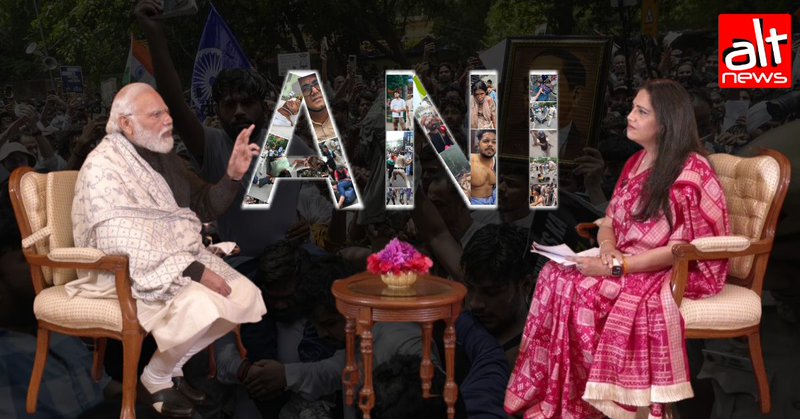

On July 20, a significant protest led by the Central Joint Platform (CJP) in Delhi faced a severe police crackdown. Despite this violent incident, Asian News International (ANI) shared a total of 404 posts that day, not one of which mentioned injuries sustained by students during the protest. This raises critical questions about editorial judgment and narrative shaping by media outlets.
Media Coverage and Editorial Choices
Asian News International (ANI) has long been a dominant player in India’s news media landscape, especially for television and online platforms. With a substantial business portfolio, the agency’s coverage often influences public perceptions and political narratives. The events of July 20 brought forth a glaring omission in their reporting, as not a single post addressed the injuries inflicted upon students during the protest.
This absence of coverage might reflect a selective editorial policy or a broader strategy to frame the event in a particular light. Media organizations usually curate their content to match specific editorial viewpoints or audience expectations. However, such decisions can also lead to allegations of bias and manipulation, especially in cases involving public protests where state actions are under scrutiny.
Protest Context and Government Response
The protest organized by CJP aimed to bring attention to various social issues affecting students. The police response, described as brutal, drew widespread condemnation from human rights advocates and the affected students alike. Reports indicated excessive force, including physical confrontations that resulted in injuries.
Understanding the governmental stance on such protests is essential. Authorities often justify stringent measures by invoking public order. However, the disproportionate use of force raises questions about the commitment to democratic freedoms and the right to peaceful assembly. The lack of media coverage of injuries may not only obscure the reality faced by protestors but also shield government actions from public accountability.
Analysis of ANI’s Influence on Public Perception
ANI’s failure to report on student injuries shifts the narrative surrounding the July 20 event. Instead of highlighting potential police overreach, the media’s silence may contribute to a sanitized version of the confrontation, in which the plight of the students is overlooked. This omission serves to maintain the status quo, allowing for a narrative that prioritizes official perspectives over dissenting voices.
This practice of selective reporting can have long-lasting implications for public discourse. In an environment where journalism’s role is crucial in offering checks and balances, the absent coverage of critical events can undermine the public’s ability to advocate for justice and accountability. As citizens increasingly rely on media for information, the importance of comprehensive and truthful reporting cannot be overstated.
Why This Matters
The implications of ANI’s editorial choices are profound in the context of Indian democracy. As a significant news outlet, its reporting shapes not only public opinion but also governmental responsiveness to civil societies. The refusal to address incidents of violence against students indicates a troubling trend in media neutrality and accountability.
This event illustrates the broader landscape of political dissent in India, where the media plays a pivotal role in either amplifying or diminishing civil rights issues. As the public increasingly relies on various media channels for information, the responsibility to report ethically and transparently becomes even more critical. For many citizens, the lack of attention to significant issues like police brutality can lead to disillusionment with both media and governmental institutions.
Frequently Asked Questions
What happened during the CJP protest on July 20?
The Central Joint Platform (CJP) organized a protest in Delhi, which was met with a severe police crackdown, resulting in injuries among students participating in the demonstration.
What was ANI’s role in reporting this incident?
On July 20, ANI shared 404 posts but notably did not report any instances of injuries sustained by students during the protest, raising questions about their editorial choices.
Why is media coverage important in such protests?
Media coverage is crucial as it informs the public about state actions and holds authorities accountable. Omission of significant details can distort public understanding of events and minimize the issues at hand.
What are the implications of biased media reporting?
Biased media reporting can lead to a skewed public narrative, limiting civil discourse and undermining democratic values. It can also discourage civic participation and diminish public trust in both media and governmental institutions.