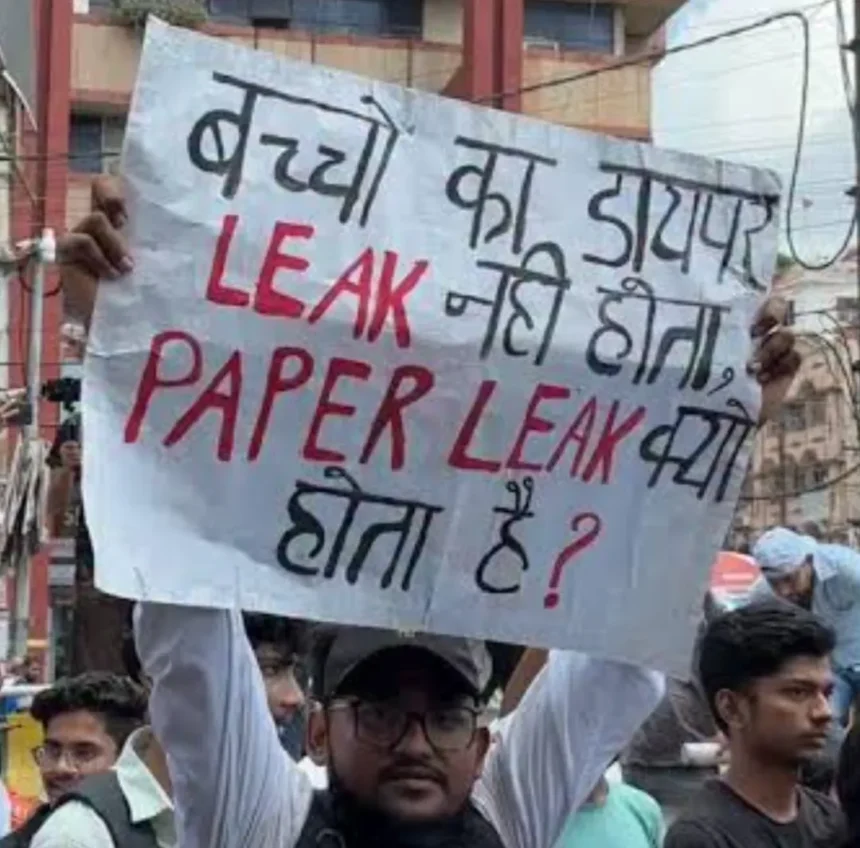

Recent protests in India have brought to light pressing issues within the country’s education system, culminating in the resignation of Union Education Minister Dharmendra Pradhan. While the minister’s departure is a significant political event, deeper systemic questions regarding educational reform and accountability remain unanswered and may shape the future political landscape.
The Protests: A Movement for Change
The protests emerged as a youth-led movement, primarily driven by concerns over examination integrity, alleged irregularities, and systemic failures within the education sector. Initially sparked by social media satire, including memes and the use of cockroach masks, this collective action transformed into significant public demonstrations. The youth’s engagement reflects a generational shift in political expression, utilizing memes, humor, and cultural references rather than traditional forms of dissent.
Importantly, the protests signify a moment of political accountability. The resignation of a high-profile minister challenges the notion that those in power are insulated from the consequences of their actions. While the immediate demand for accountability was realized, the broader questions around educational reform persist, pointing to a deeper institutional crisis.
The Broader Context of Accountability
In democratic societies, political accountability is essential for fostering trust between citizens and their government. The protests highlighted the failure of the education system but also illustrated a need for a transformation in governmental responses to civilian grievances. The resignation serves as a reminder that ministers are not above scrutiny; they must answer to the citizens who elected them.
Merely changing personnel does not ensure systemic reform. Addressing the integrity of examinations, ensuring fair access to quality education, and providing dignified employment opportunities remain critical challenges for the government. Whether or not this singular resignation leads to substantive change will be a matter for continued public discourse and activism.
The Role of Youth in Modern Protest
The involvement of Gen Z in these protests marks a shift in civil engagement. Unlike previous generations, today’s youth utilize new forms of communication—such as viral memes and social media platforms—to express dissent and mobilize support. This modern approach makes politics more accessible and engages a wider audience.
Self-organized protests, community support systems, and acts of kindness, such as offering flowers to police personnel, signal a mature political stance that combines resistance with compassion. The transformation from digital activism to physical protests emphasizes the ability of young people to not only challenge authority but also foster community spirit—a powerful combination in democratic discourse.
Why It Matters
The implications of these events extend beyond the current political scenario. They signify a rising wave of political consciousness and responsibility among young citizens which may influence future elections and government behavior. Protests serve as a reminder that democracy thrives not just in the act of voting but in continuous scrutiny of governance. As the landscape shifts, the government may be compelled to reconsider its approach to education and citizen engagement.
Frequently Asked Questions
What led to the youth protests in India?
The protests were primarily triggered by allegations of irregularities in public examinations and a perceived failure of the education system, ultimately calling for accountability from the government.
What was the outcome of the protests?
The protests resulted in the resignation of Union Education Minister Dharmendra Pradhan, marking a significant political accountability moment within the government, although larger reform issues remain unresolved.
How did Gen Z engage in these protests?
Gen Z effectively used social media to mobilize support and express dissent, utilizing memes, humor, and cultural references to engage a broader audience, marking a departure from traditional protest methods.
What are the implications for the Indian education system?
The protests have highlighted the need for systemic reform within the education system, raising questions about examination integrity, equitable access to quality education, and the necessity for continued governmental accountability.