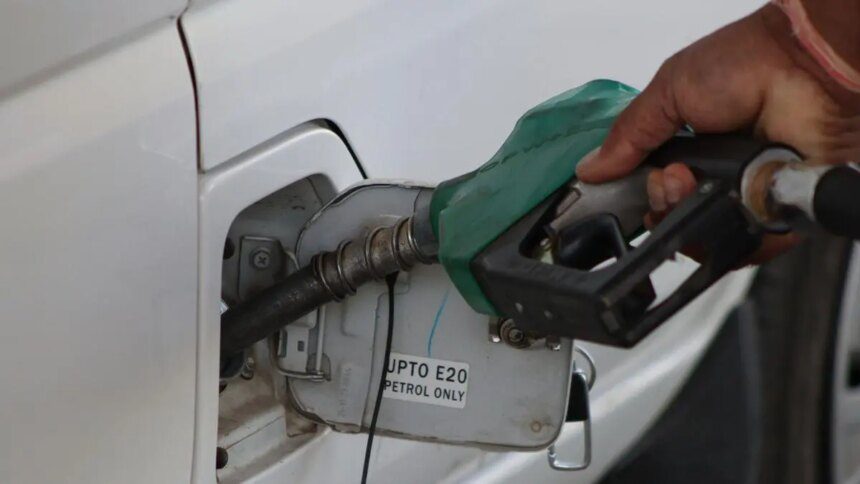

India is advancing towards the adoption of E85 fuel, a petrol blended with 85% ethanol, along with E100 options designed for flex-fuel vehicles capable of utilizing any ethanol blend. This strategic initiative appears timely, especially as global crude oil market instability resumed in 2026, spurred by the Strait of Hormuz blockade and widespread supply chain disruptions. India’s foresight with its ethanol-blended petrol program, launched over twenty years ago, has provided a buffer against these fuel challenges.
The initiative began in January 2003 with a modest target of 5% ethanol blending across nine states, which initially garnered little public attention. By 2014, the national average for ethanol blending stood at only 1.53%. However, the program’s foundation was carefully established through gradual policy enhancements, the expansion of distillery capabilities, and a long-term vision for energy transition.
A significant turning point occurred in 2018 when the National Policy on Biofuels broadened the program’s scope. It allowed for a variety of ethanol feedstocks including damaged food grains, surplus rice, maize, and agricultural residues, reducing dependency on water-intensive sugarcane. This diversification also integrated grain-producing regions in north and central India into the ethanol economy, thereby creating new revenue opportunities for farmers.
The subsequent increase in ethanol blending was substantial, soaring nearly 20-fold from 380 million liters in 2013-14 to 7.07 billion liters in 2023-24. Blending levels rose to 14.6% in 2023-24, with projections of nearly 18% by the end of 2024, and a targeted 20% by March 2025—achieved five years ahead of the initial schedule.
Currently, India’s ethanol production exceeds the requirements for E20 blending, and this surplus presents a strategic advantage, laying the groundwork for even higher blends like E25, E30, and E40.
Looking forward, the framework for E85 fuels is being drafted, alongside initiatives for flex-fuel vehicles (FFVs). The CAFE III emission regulations, anticipated to be imposed in April 2027, are under review, with suggestions that FFVs be regarded on equal footing with electric vehicles concerning emission credits.
Such measures could hasten the adoption of FFVs and further entrench ethanol’s significance in the transportation sector. Moreover, the aviation industry is emerging as an additional opportunity for blended fuels. In April, the Indian government modified aviation turbine fuel (ATF) regulations to incorporate blended and synthetic fuels, paving the way for sustainable aviation fuel (SAF). Blending targets for SAF are set at 1% by 2027, 2% by 2028, and 5% by 2030, marking a crucial entry point for ethanol into a high-value sector.
The framework has been established, production capacity exists, feedstocks have diversified, and flex-fuel vehicles are on the horizon. What remains essential for the success of India’s ethanol program is ongoing commitment—a continuity of the patient effort that has driven its initial progress.
The writer is President of the Grain Ethanol Manufacturers’ Association.
Published on May 11, 2026