
In a significant development regarding national pride, it was highlighted that Indians won the right to fly the national flag in 2004. This hard-fought battle culminated in a court case won by politician @MPNaveenJindal, thus lifting restrictions on citizens displaying the flag at their residences.
Background of the Court Case
The journey toward allowing citizens to freely display the national flag has deep roots in India’s historical context. Before 2004, there were strict regulations governing the hoisting of the national flag, which was largely limited to institutional settings. The restrictions were seen as a reflection of a paternalistic governance approach that limited citizens’ expressions of patriotism. Naveen Jindal’s legal battle was pivotal in altering this stance. He argued that flying the flag is a fundamental right under Article 19 of the Indian Constitution, which guarantees the freedom of expression.
Political Reactions to the Flag Issue
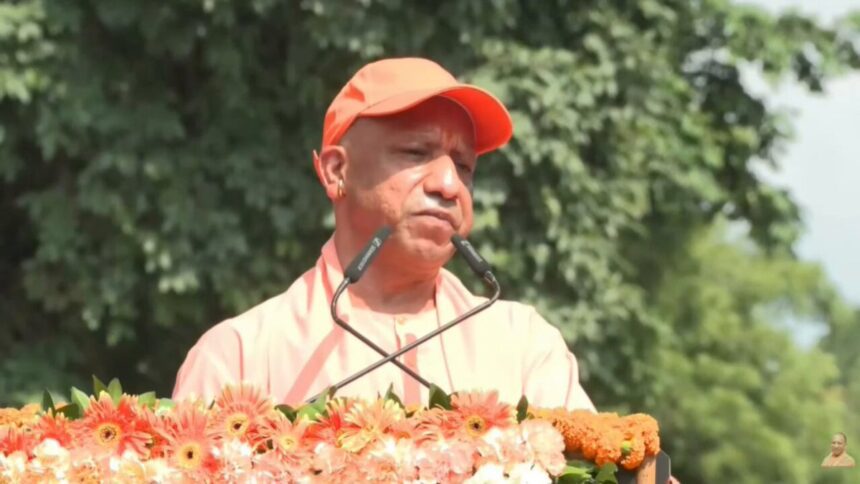
Since the court ruling, political leaders have celebrated the decision as a momentous victory for every Indian citizen. Yogi Adityanath, the Chief Minister of Uttar Pradesh, recently commented on the newfound freedom, stating that during the Congress regime, citizens had to fight for the right to display the tricolor at their homes. He credited Prime Minister @narendramodi for granting this freedom to 140 crore Indians, emphasizing the unity and pride this right instills among the populace. Such statements demonstrate how political narratives can mobilize sentiments around issues of national identity and pride.
Current Context and Social Impact
The freedom to display the national flag is more than just a legal victory; it symbolizes the empowerment of citizens and fosters greater national pride. As seen in various celebrations, a marked increase in the display of tricolors across residential areas has been observed, especially during national holidays and festivals. This visible display of patriotism serves to unite Indians across diverse backgrounds, reinforcing a collective identity. Political leaders and social commentators are continually shaping the narrative around this issue, further elevating the flag’s significance in everyday life.
Why This Matters
The right to fly the national flag is crucial for understanding current Indian nationalism and identity politics. This change is emblematic of the broader tides of nationalism that are prevalent in today’s political landscape. By promoting the idea that every household can participate in national pride, it strengthens social cohesion and a sense of belonging. It also highlights the ongoing dialogue about the balance between state authority and individual freedoms in India, which continues to evolve as new voices emerge in the public sphere.
Frequently Asked Questions
What did the court ruling in 2004 allow for citizens?
The court ruling in 2004 allowed Indian citizens to freely display the national flag at their residences, removing previous restrictions that were in place.
Who was instrumental in advocating for the change regarding the national flag?
Naveen Jindal played a crucial role in advocating for the legal change, viewing the right to fly the flag as a fundamental expression of freedom.
How have political leaders reacted to the change?
Political leaders, including Yogi Adityanath, have celebrated this transformation, attributing it to the current government’s actions and emphasizing its importance for Indian society.
Why is flying the national flag significant for Indian citizens?
Flying the national flag is a symbol of patriotism and unity, allowing citizens to express their national pride and belonging, thus reinforcing a collective national identity.