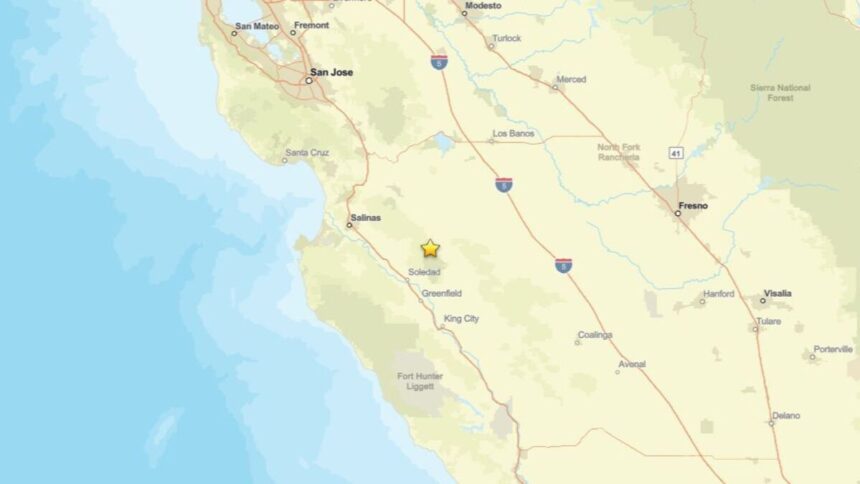

A preliminary earthquake measuring 2.1 magnitude occurred near Pinnacles, California, on Sunday evening, highlighting ongoing seismic activity in the region. The tremor struck just after 8:15 p.m., prompting discussions on earthquake preparedness and safety measures.
Understanding Earthquake Magnitude
Earthquake magnitude is a measure of the energy released at the source of the quake. The U.S. Geological Survey, which reported the recent tremor, notes that the updated scale has replaced the older Richter scale. In general, earthquakes with magnitudes ranging from 2.5 to 5.4 are typically felt yet seldom cause significant damage. Lower magnitude tremors, below 2.5, often go unnoticed by the general public.
Recent Seismic Activity
In the past week, eight tremors of magnitude 2.5 and above have been recorded in proximity to Pinnacles, with the most significant being a 3.3 magnitude quake on August 7. This increase in seismic activity has raised concerns about the potential for larger earthquakes. Regions like California and Alaska are known for their geological instability, making earthquake awareness essential for residents and visitors alike.
Preparedness and Safety Measures
Understanding what to do during an earthquake is crucial for personal safety. Experts recommend several key steps based on your location:
- If you’re in a car: Pull over safely, stop the vehicle, and set the parking brake.
- If you’re in bed: Turn face-down and protect your head with a pillow.
- If you’re outdoors: Move away from buildings and avoid going indoors.
- If you’re inside: Stay put, avoid doorways, and seek cover under sturdy furniture.
Officials emphasize the importance of the “Drop, Cover, and Hold On” method, which involves getting to your hands and knees and holding onto something stable while staying safe from falling debris.
Why This Is Trending
The topic of earthquakes is currently trending due to heightened awareness and frequent media coverage of seismic events in California. As India experiences its own set of natural disasters, many people are seeking information on earthquake preparedness and safety protocols. Experts are also encouraging discussions around building infrastructure that can withstand seismic activity, especially in regions prone to earthquakes. With a growing global focus on disaster readiness, Indians are keen on learning effective responses to minimize risk during such events.
Frequently Asked Questions
What should I do during an earthquake?
If you are indoors, stay inside and find cover under a sturdy piece of furniture. If you are outdoors, move to an open area away from buildings. In a vehicle, stop safely and remain inside until the shaking stops.
What happens after the earthquake?
After an earthquake, it’s possible to experience aftershocks. Be prepared to “Drop, Cover, and Hold On” if you feel any further shaking. Assess your surroundings for hazards like damaged buildings, leaking gas, or live electrical wires.
How can I prepare for an earthquake?
Preparation involves creating an emergency plan and gathering supplies such as food, water, and medical kits. Also, practice earthquake drills with family to ensure everyone knows what to do when a tremor strikes.
Are earthquakes common in India?
While India does experience earthquakes, their frequency and severity vary by region. Areas near tectonic plate boundaries, such as the Himalayas, are more susceptible to seismic activity. It is essential for residents in these areas to stay informed and prepared.