
Summary
A recent press conference by the Association for Protection of Civil Rights (APCR) has highlighted a disturbing trend of mosque demolitions across India, primarily in regions governed by the Bharatiya Janata Party (BJP). The organization claims that these actions are part of a larger, systematic campaign targeting Muslim places of worship, threatening religious freedom and constitutional protections.
Increasing Mosque Demolitions
The APCR’s National Secretary, Nadeem Khan, reported that in just 15 days, at least 20 mosques faced demolition or related actions in northern states like Uttarakhand, Uttar Pradesh, and Rajasthan. This statistic exemplifies a recurring pattern that many argue aims to intimidate Muslim communities. The group compares this current wave of demolitions to earlier episodes of mob violence that predominantly affected Muslims, suggesting an alarming continuity of discriminatory practices.
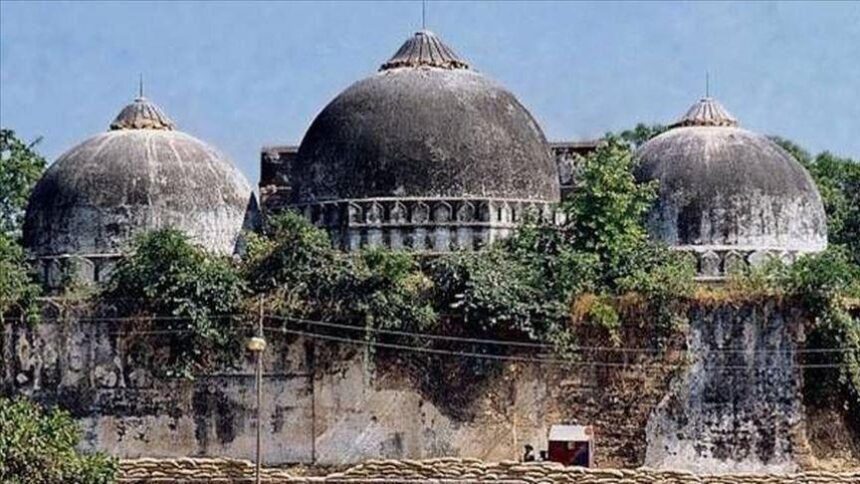
One alarming example shared during the conference was the recent demolition of the Noorani Mosque in Jaipur, Rajasthan. This mosque, built in 1981, was officially surveyed by the government in 2003 and listed on the Waqf Board’s records. It was destroyed without prior notice to its management committee, raising significant legal and ethical questions. Local residents have voiced their concerns over the legality of such demolitions, underscoring a trend of perceived injustice that is shaping the lives of Muslim communities throughout India.
Legal and Political Responses
During the conference, participants, including lawyers, former lawmakers, and human rights advocates, emphasized the need for greater judicial intervention. There was a consensus that affected communities should persistently challenge demolition orders through the courts, even if immediate legal relief seems unlikely. Former Union Minister Salman Khurshid described the fight against these demolitions as a long legal struggle, urging citizens to pursue every constitutional remedy available to them.
Additionally, lawyer Syed Sadat Ali highlighted that nearly 300 mosques in the Barmer district alone had received demolition notices. He questioned the inconsistency in administrative practices, pointing out that similar actions were not being applied to religious structures belonging to other communities. This disparity in enforcement raises critical concerns about religious discrimination and the selective application of the law.
Broader Implications for Religious Minorities
Notably, the press conference revealed that pressure on Muslim institutions should be contextualized within a broader environment of increasing restrictions on other religious minorities in India, particularly Christian organizations. Human rights advocate John Dayal stressed that the attacks on minority institutions reflect a harmful trend affecting India’s religious diversity. Community representatives further recounted how demolitions often occur with limited warning, leaving affected individuals powerless to respond legally.
The increasing marginalization of Muslim communities is echoed in various reports and grassroots activism that challenge the motives behind these demolitions. Many community leaders argue that this situation can leave Muslims economically and socially isolated, fostering an atmosphere of fear and vulnerability.
Why It Matters
The systematic demolitions of mosques and places of worship signify a troubling shift in India’s religious landscape, escalating tensions among diverse communities. The legal and administrative actions taken against Muslim institutions can undermine not only the Constitution’s secular framework but also multicultural coexistence. Such practices may relate to broader socio-political strategies that prioritize one religious identity over others, raising alarms for both local and global observers about the future of democracy and human rights in India.
Frequently Asked Questions
What is the APCR?
The Association for Protection of Civil Rights (APCR) is an Indian civil rights organization focused on safeguarding the rights of minority communities, particularly Muslims, and advocates for justice against discriminatory practices.
What recent events prompted the APCR’s allegations?
Recent mosque demolitions across northern Indian states, particularly those governed by the BJP, have prompted the APCR to raise concerns about a systematic campaign aiming to intimidate Muslim communities.
How many mosques have faced demolition actions recently?
According to the APCR, at least 20 mosques faced demolition actions within a short period of 15 days, primarily in northern states like Uttarakhand, Uttar Pradesh, and Rajasthan.
Why are these demolitions significant?
The demolitions raise significant concerns regarding religious freedom, the rule of law, and the potential marginalization of Muslim communities in India, suggesting a broader pattern of discrimination against minority groups.