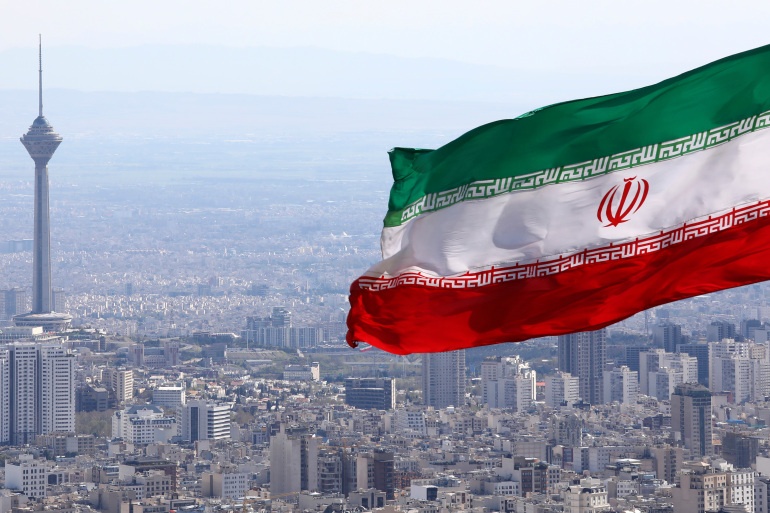

Iran’s Leadership and Threats of Revenge
In a recent statement following the funeral of his father, Supreme Leader Mojtaba Khamenei of Iran has vowed to “avenge [his] innocent blood,” expressing that “revenge is the will of our nation.” This declaration not only underscores the continued volatility in the region but also highlights the depth of sentiment among Iranian leaders following significant geopolitical tensions.
US Military Posturing and Diplomatic Breakdown
In response to escalating threats, the US President has asserted that 1,000 missiles are “locked and loaded and aimed at the Islamic Republic of Iran,” with the possibility of additional missiles should Iran attempt any actions against him. This aggressive military stance reflects the heightened level of distrust and the deteriorating diplomatic environment between the two nations.
Simultaneously, Iranian Foreign Minister Abbas Araghchi has criticized the United States, accusing it of failing to honor its commitments under the interim nuclear agreement. He remarked that the US government’s actions signify a clear breach of established diplomatic understandings, further complicating already fraught relations.
International Diplomatic Efforts and Regional Tensions
In light of these brewing tensions, Qatari negotiators have entered Tehran, aiming to revive diplomatic discussions that could lead to a de-escalation of current conflicts. Moreover, separate negotiations are planned to take place in Oman, suggesting that regional allies are actively seeking solutions to mitigate the risks of military confrontation.
While these diplomatic efforts could pave the way for more peaceful interactions, the foundation of trust remains fragile. The potential for misunderstanding and miscalculation continues to loom large over these talks, raising questions about their effectiveness.
Why It Matters
The current situation between Iran and the United States has far-reaching implications for global security and economic stability. An escalation into military conflict could disrupt not only regional peace but also international markets, particularly those related to energy resources. Additionally, the response from various governments and organizations to the ongoing tensions highlights the complexities of international diplomacy in a multipolar world.
For those involved in the technology and AI sectors, the unrest could impact the availability and security of tech investments in the region. Companies may need to reevaluate their strategies concerning partnerships and resource allocation, as instability might hinder operations or shift market dynamics significantly.
Frequently Asked Questions
What prompted Khamenei’s statement about revenge?
Khamenei’s declaration followed the funeral of his father, suggesting a personal and national sentiment of grief and retaliation amidst ongoing geopolitical tensions.
What does the US military stance involve?
The US President has indicated that there are 1,000 missiles prepared to strike Iran, with the possibility of increasing this arsenal if threatened, signaling a strong military deterrent against Iranian actions.
How is Iran responding to US actions regarding the nuclear agreement?
Iran’s Foreign Minister has condemned the US for failing to uphold its commitments under the interim nuclear deal, marking an escalation in rhetoric between the two nations.
What diplomatic actions are currently taking place concerning US-Iran relations?
Qatari negotiators have arrived in Tehran to facilitate diplomacy, and there are plans for further discussions in Oman, showcasing efforts to manage and possibly resolve ongoing conflicts.