
Escalating Tensions: U.S. Military Actions and India’s Response
India has formally protested an American military strike on the commercial tanker Settebello, which left several crew members missing. This incident highlights the increasing strain in U.S.-India relations, particularly in the context of U.S. enforcement of its maritime blockade against Iran, complicating diplomatic efforts and regional stability.
Incident Overview: The Settebello Attack
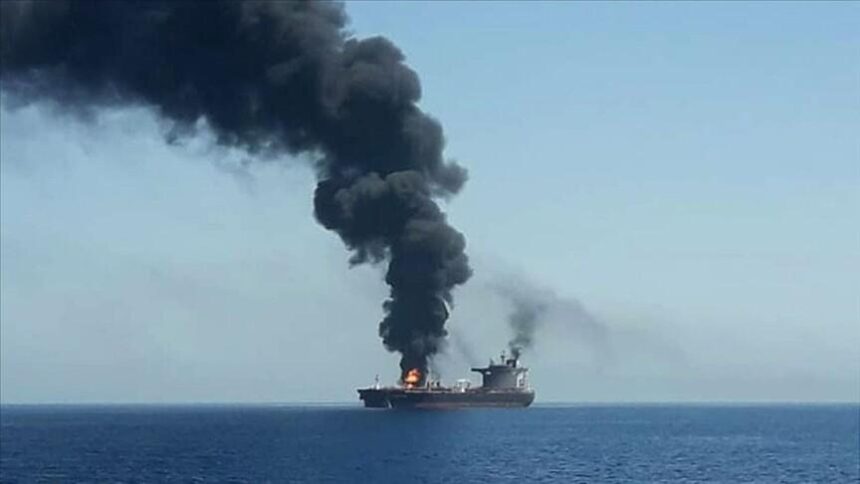
The tanker Settebello, flagged in Palau, was operating near Oman when it was struck by U.S. forces, allegedly for attempting to transport oil linked to Iran. Indian External Affairs Ministry sources stated that the U.S. Embassy’s chargé d’affaires, Jason Meeks, was summoned to address this concern. This military action, part of the U.S. Central Command’s (CENTCOM) operations against maritime trade with Iran, has drawn significant attention due to the implications for Indian nationals involved in the incident.
According to reports, two crew members were initially considered missing alongside one injury sustained during the attack. As of the latest updates, three Indian nationals are still unaccounted for, an alarming development given that 24 of the 28 crew members were Indian. The Indian Foreign Ministry indicated that 21 sailors were rescued shortly after the incident, but efforts are ongoing to locate the remaining crew members.
The Broader Context: Blockade Enforcement and Maritime Challenges
This strike is one among many in a broader U.S. campaign aimed at enforcing a maritime blockade against Iranian shipping, which began escalating following Iran’s restrictions on maritime traffic through the crucial Strait of Hormuz. Since April 2023, U.S. forces have reportedly disabled seven vessels that they considered non-compliant with the sanctions, redirected numerous others, and allowed some humanitarian shipments to proceed.
Maritime security firms such as Ambrey and Vanguard have noted that attacks like this represent a continuation of U.S. strategies to curtail Iranian oil exports and the activities of tanker fleets operating under various national flags—primarily those evading sanctions. The Settebello’s previous tracking indicated it was moving through sensitive waters, further complicating the security dynamics in the region.
The Indian connection to this incident signifies a new layer of geopolitical challenges that could provoke wider ramifications for international maritime operations, particularly involving states that maintain tenuous ties with both the U.S. and Iran.
Why It Matters
The ongoing tensions surrounding U.S. maritime operations and Iran create a complex landscape for international shipping and diplomatic relations. For developers and users in the AI and maritime industries, these incidents underscore the importance of accurate real-time data for navigation and safety, along with enhanced monitoring systems to mitigate risks in volatile regions. Understanding the implications of geopolitical decisions on commercial shipping will be vital for stakeholders, particularly as global oil transport continues to be affected by regulatory actions and military enforcement.
Frequently Asked Questions
What happened to the Settebello?
The Settebello, a tanker operating near Oman, was struck by U.S. forces for allegedly attempting to transport oil linked to Iran, resulting in missing crew members and a fire in its engine room.
How many Indian nationals were involved in the Settebello incident?
Of the 28-member crew, 24 were Indian nationals. As of the latest updates, three remain unaccounted for, while 21 have been rescued.
What is the U.S. Central Command’s role in maritime enforcement against Iran?
CENTCOM is responsible for enforcing maritime restrictions that target vessels associated with illegal oil transportation from Iran as part of a broader sanctions regime aimed at limiting Iran’s oil exports.
What are the implications of this military strike for diplomatic relations in the region?
The attack on the Settebello escalates tensions not only between the U.S. and Iran but also complicates relations between the U.S. and India, particularly concerning India’s nationals and maritime interests in the area.