
Forced Expulsions and Social Marginalization of Indian Muslims
In a troubling trend, Indian authorities are expelling ethnic Bengali residents, predominantly Muslims from West Bengal, to Bangladesh without due legal processes. Human Rights Watch reports that these expulsions, which have intensified under the leadership of the Bharatiya Janata Party (BJP), reflect systemic discrimination and a broader campaign targeting Muslim communities.
Government Policies Targeting Muslim Residents
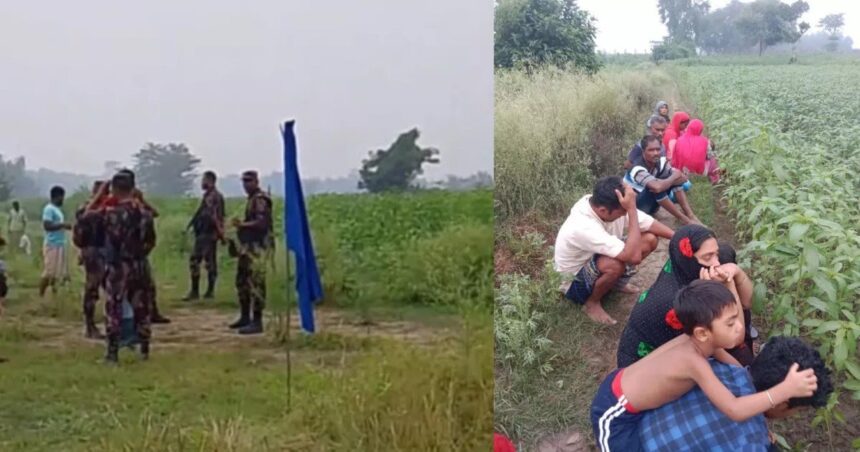
The Indian Border Security Force (BSF) has been actively involved in forcibly repatriating residents to Bangladesh, often leaving families stranded at the border. Reports indicate that since June 1, 2026, BSF officers have attempted to push over 200 individuals—many of whom are children—across the border, which has been met with resistance from Bangladeshi guards. These actions coincide with statements from West Bengal’s Chief Minister Suvendu Adhikari, who emphasizes a “detect, delete, and deport” strategy aimed at curbing illegal immigration, purportedly targeting what he terms “Bangladeshi infiltrators.”
Meenakshi Ganguly from Human Rights Watch has condemned these practices, arguing that they violate fundamental human rights. The testimonies from local residents paint a bleak picture of families left without essential resources, enduring inhospitable conditions between two nations while being caught in a political crossfire.
Legal and Social Ramifications
The impacts of these policies are profound, fueling religious tensions and strife in communities. The Indian government’s revision of voter lists, which excluded over nine million names—including those of many Muslims—has created a climate of fear and uncertainty. Individuals now face threats of detention and expulsion simply based on altered legal statuses. Family members who once routinely exercised their voting rights have suddenly found themselves categorized as “illegal immigrants,” leading to arbitrary detainments by border forces.
The testimony of Hasibur Islam, a union council member from Panchagarh, underscores the unsettling nature of these developments. Families with valid Aadhaar cards—a biometric identification issued by the Indian government—have found that their legal identities can be rendered null if their names do not appear on the voter roll, leading to detention and attempts to forcibly deport them. This situation exemplifies systemic exclusion and discrimination, especially against Muslim communities in India.
International and Human Rights Perspective
India is bound by international commitments, including the International Covenant on Civil and Political Rights, mandating the protection of rights for all individuals within its borders. The country’s current practices—marking individuals for deportation without established legal processes—constitute a violation of these obligations. Forcing people into adverse conditions, neglecting basic rights such as access to food, shelter, and medical care, amounts to cruel and degrading treatment, as per Human Rights Watch.
Both Indian and Bangladeshi authorities have mechanisms for verifying nationality and facilitating orderly repatriation. However, the circumvention of these procedures leaves individuals stranded in “no man’s land,” showcasing a failure to uphold human dignity amid political posturing. The need for systemic reform in how these communities are treated is urgent, as failure to act may exacerbate existing tensions and contribute to an environment of fear and exclusion for Muslims in India.
Why It Matters
This situation highlights the critical intersection of human rights and domestic policy in India, particularly regarding marginalized communities. For developers and entities in the AI sector, understanding the social dynamics and implications of systemic discrimination can inform ethical practices and applications in data analytics, surveillance technologies, and civic management. Human rights considerations must be integral to technology deployments, especially when they impact societal structures. Addressing these issues can promote equitable treatment and safeguard against exploitation.
Frequently Asked Questions
What is the current situation for Muslims in India?
Muslims in India, particularly in West Bengal, face increasing marginalization and forced expulsions due to a combination of government policies and social discrimination, exacerbated by actions from groups like the BJP.
How are the expulsions impacting families?
Families facing expulsion are often left without basic needs, stranded at the border with no access to food, water, or medical care, resulting in significant psychological and physical distress.
What legal protections exist for those facing deportation?
India is obligated under international human rights treaties to ensure legal protections and procedural safeguards for individuals facing deportation, including access to legal representation and the ability to appeal decisions.
How are the Bangladeshi authorities responding to these pushbacks?
Bangladeshi authorities have stated they will not accept individuals pushed across the border without proper verification and established procedures, insisting on legal and humane treatment for all returnees.