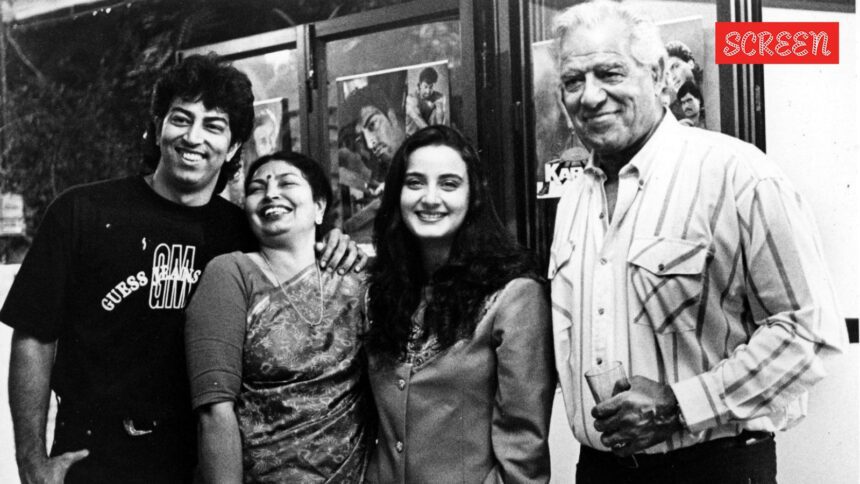

Actor Vindu Dara Singh recently discussed his marriage to actress Farah Naaz, highlighting the complexities of interfaith marriages in India. His experiences offer insight into broader societal issues, including the influence of religion on personal relationships and the nuanced dynamics surrounding Hindu-Muslim unions in contemporary India.
Interfaith Marriages: Navigating Complexities
Vindu Dara Singh shared reflections from his past concerning his first marriage to Farah Naaz, who is notably the sister of acclaimed actress Tabu. He recalled the guidance imparted by his late father, Dara Singh, a legendary wrestler. This advice centered on the challenges associated with interfaith relationships, advising Vindu to reconsider his decision due to the potential complications arising from differing religious beliefs. Despite his father’s concerns, Vindu pursued the marriage, believing that love would conquer all obstacles.
The Role of Religion in Relationships
In his candid conversation, Vindu emphasized how religion played a pivotal role in the dynamics of his marriage. Initially, their religious backgrounds were not a point of contention; however, Vindu noted that Farah’s increasing religiosity became a source of tension. He stated, “Religion was completely normal between us. But suddenly she became very religious,” suggesting that this shift led to complications that ultimately contributed to their divorce in 2002. His reflections reveal the underlying stresses that can arise when partners’ beliefs evolve differently over time.
Parental Wisdom and Regrets
Vindu acknowledged that, in hindsight, his father’s reservations were valid. “I don’t regret it because I have Fateh, a fantastic son whom I love more than my life,” he expressed. While he cherishes the outcome of his marriage, he recognized that parental guidance often holds deeper wisdom than children might initially understand. He remarked on the frequent disregard for parental advice, noting that, “Always remember that parents give us advice, but we don’t listen.” This sentiment highlights a universal theme of familial wisdom often overlooked by the younger generation.
Why It Matters
The insights shared by Vindu Dara Singh offer a microcosmic view of the broader societal issues faced by interfaith couples, particularly in the context of rising religious intolerance in India. The personal struggles of individuals navigating these complexities underscore the potential for social exclusion and marginalization, especially in a climate where affiliations can impact personal relationships and familial harmony. Vindu’s narrative serves as a reminder of the human dimensions behind broader political and religious discussions, emphasizing the need for understanding and coexistence amidst diverse beliefs.
Frequently Asked Questions
What are the common challenges of interfaith marriages in India?
Interfaith marriages in India often face societal scrutiny, familial opposition, and potential legal hurdles, especially where cultural and religious norms clash. Couples may experience challenges in aligning their family traditions and values, leading to conflict.
How did Vindu Dara Singh’s father influence his marital decisions?
Vindu’s father, Dara Singh, cautioned him about the complexities of Hindu-Muslim marriages, stressing that such unions can become complicated over time. His advice stems from a belief in the challenges posed by differing faiths.
What factors contributed to Vindu Dara Singh’s divorce from Farah Naaz?
Vindu cited Farah’s increasing religiosity as a significant factor in their divorce. Initially, their differing religious backgrounds did not create friction; however, sudden changes in religious commitment can disrupt marital harmony.
What lessons can be drawn from Vindu Dara Singh’s experience?
Vindu’s reflections highlight the importance of communication and understanding in relationships, particularly in interfaith scenarios. His acknowledgment of parental wisdom emphasizes the need for younger generations to consider the perspectives and experiences of their elders.