
Summary
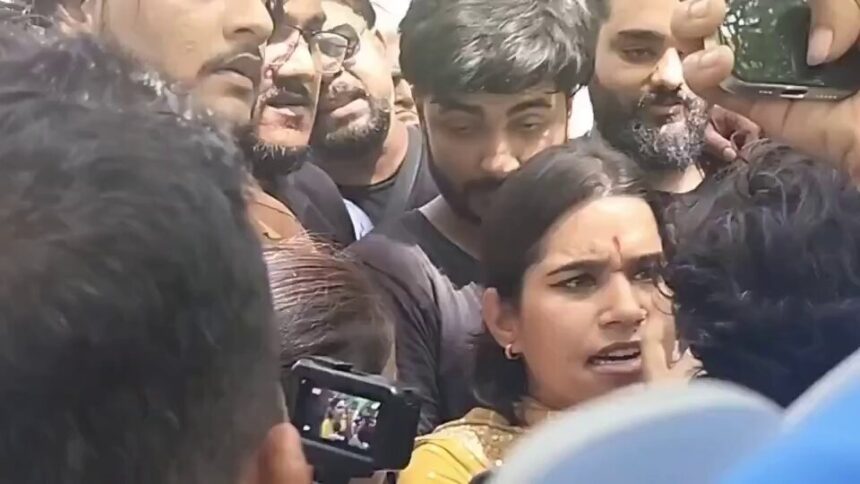
A recent incident at Jantar Mantar involving a self-proclaimed Hindu activist has raised eyebrows. The activist was filmed opposing student protests related to the NEET-UG paper leak scandal. This controversy has reportedly led to the tragic suicides of at least five students and undermined the futures of over 22 lakh aspirants.
Background on the NEET-UG Controversy
The National Eligibility cum Entrance Test for Undergraduates (NEET-UG) is a major exam for aspiring medical students in India. The integrity of this examination has come under scrutiny due to allegations of a paper leak, which has triggered widespread outrage. Thousands of students, many of whom are from marginalized communities, had invested their hopes and dreams into this exam, only to see it tainted by corruption.
The ramifications of the scandal are severe, as it is estimated that the pressure and despair from this incident have tragically led to the suicides of five students. Moreover, the future aspirations of over 22 lakh candidates have been jeopardized, leading to calls for accountability and transparency in the examination process.
The Activist’s Stance
The Hindu activist in question has positioned herself as a defender of the community, yet her actions at the protest have sparked criticisms regarding her true allegiances. Many observers have questioned her commitment to the community when confronted with such distressing outcomes affecting students. Her opposition to the protesters indicates a complex relationship with the issues surrounding student welfare and academic integrity.
This activist’s actions have been perceived by some as prioritizing political loyalty over compassion for the affected students. In a climate where mental health issues remain under-discussed, especially among young people under academic pressure, her stance has drawn significant scrutiny.
Wider Implications
The incident at Jantar Mantar is emblematic of the broader tensions within Indian society related to education, youth welfare, and political advocacy. With the ongoing discourse about the role of educational integrity in shaping students’ futures, this scenario highlights the struggles faced by young Indians navigating a corrupt system.
The response to the NEET-UG paper leak not only focuses on the immediate concerns of students but also serves as a catalyzing moment for larger conversations about rights and representation in India’s education sector. How authorities respond to this scandal will greatly influence public confidence in educational governance.
Why This Matters
The political significance of this incident cannot be overstated. The opposition to the student protests by a high-profile activist demonstrates the clash between power, politics, and the basic rights of youth seeking education. The revelations surrounding the NEET-UG paper leak highlight systemic issues that affect millions of students across the nation.
As the educational landscape continues to evolve, the voices of advocacy and protest must be considered in discussions about reform and accountability. For Indian readers, this serves as a reminder of the urgency required to discuss these issues not just in the context of today, but for the future of the nation’s youth.
Frequently Asked Questions
What is the NEET-UG paper leak scandal about?
The NEET-UG paper leak scandal refers to allegations that the examination papers for the National Eligibility cum Entrance Test were leaked, leading to significant concerns over the fairness and integrity of the examination process affecting millions of medical aspirants.
Why did the student protests take place?
Students protested to demand accountability and transparency from the authorities regarding the NEET-UG paper leak, as they felt that their futures were compromised due to corruption in the examination process.
Who is the activist opposing the protests?
The activist is a self-proclaimed Hindu champion known for her strong community positioning, but her recent actions at the protests have raised questions about her commitment to student welfare and social justice.
What are the broader implications of this incident?
This incident underscores the intersection of politics, education, and the ethics of governance, emphasizing the need for reform in India’s educational system to protect the rights and futures of young aspirants.