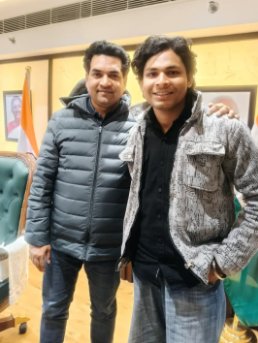

In a recent tweet, political commentator Mohammed Zubair, known as @zoo_bear, highlighted the dangerous presence of a self-proclaimed “Gou Rakshak” associated with the ruling party, who is reportedly threatening protesting students at Jantar Mantar. Zubair called for vigilance among protesters and urged the Delhi Police to intervene.
Context of the Protest
Jantar Mantar has a long history as a site for protests and demonstrations in India, particularly among students and civil rights activists. The area has witnessed significant mobilizations in response to various socio-political issues, from student rights to farmer protests. Recently, students protesting for their rights and against governmental policies have gathered in this iconic location, drawing attention to their demands for justice and equality.
The Rise of Gou Rakshak Groups
The term “Gou Rakshak” translates to “cow protector,” a label often associated with right-wing vigilantes who claim to defend cow welfare and Hindu cultural values. These groups have gained notoriety for aggressive actions against perceived threats to their beliefs, particularly targeting meat vendors and individuals from minority communities. Reports suggest that such entities are increasingly emboldened, often receiving tacit support from political factions aligned with the ruling party, which garners a significant Hindu nationalist base.
Implications for Student Safety
With reports of threats against students, the situation at Jantar Mantar raises serious concerns about the ability of protesters to express their dissent safely. Zubair’s warning underscores the precarious environment that has developed around these gatherings. If the government fails to protect these protesters, it could stifle free expression, leading to greater discontent among youth and civic groups. This unfolding scenario embodies the ongoing struggle between state authority, societal norms, and individual rights in contemporary India.
Why This Matters
This situation is critical for various reasons. Firstly, it highlights the fragility of democratic spaces in India, where vigilante groups can threaten peaceful protests, raising alarms about civil liberties. Secondly, it illustrates the tenuous relationship between certain political factions and radical groups that could compromise student protests and activism. Lastly, the response—or lack thereof—by law enforcement could shape public perceptions of the government’s commitment to safeguarding its citizens’ rights, which is essential in a vibrant democracy.
Frequently Asked Questions
What is the significance of Jantar Mantar for protests?
Jantar Mantar serves as a historical site for peaceful protests in India, where various social movements have highlighted issues ranging from environmental concerns to student rights. Its longstanding tradition as a rallying point makes it a critical venue for civil discontent.
What are Gou Rakshak groups?
Gou Rakshak groups are often associated with Hindu nationalism, focusing on the protection of cows and, by extension, promoting a certain ideological perspective that can lead to aggressive vigilante behavior against minority communities or dissenters.
What should the authorities do in response to such threats?
The authorities, particularly law enforcement like the Delhi Police, should ensure the safety and security of all individuals exercising their right to protest. This includes taking threats seriously and potentially preventing violent confrontations.
How does this reflect the current political climate in India?
The rising tensions at protests indicate a deepening divide between various societal factions in India. This reflects a broader trend of increasing radicalism associated with certain political ideologies and raises questions about the role of the government in mediating these conflicts.