
Influencers Face Legal Action for Spreading Misinformation
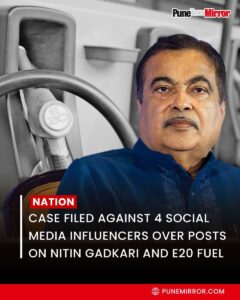
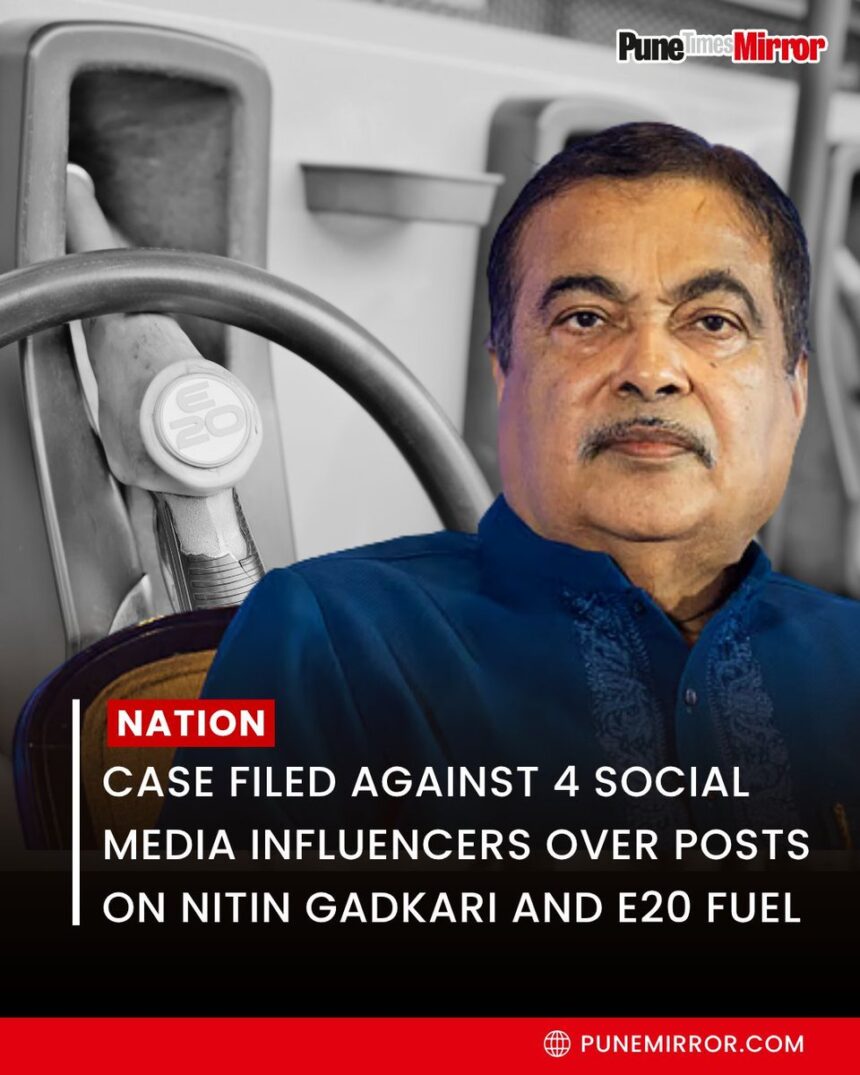
A serious legal case has been filed against four social media influencers for allegedly disseminating misleading information regarding Indian Union Minister Nitin Gadkari and the introduction of ethanol-blended (E20) petrol. The complaint was lodged by Shishir Arun Tripathi, the head of the Nagpur BJP Social Media Cell, drawing attention to the growing concerns about the spread of misinformation in the digital landscape.
Background on the Case
The influencers involved in this controversy are Manish Kashyap, also known as YouTuber Desi Boyser, Harshit Rathi, and Anklesh Invatee. The action against them is primarily rooted in their social media activities, which authorities allege undermined the credibility of Minister Gadkari and the government’s push for a more sustainable E20 petrol option. This legal move serves as a cautionary tale, illuminating the growing tensions between political figures and the influential voices in the digital sphere.
The complaint highlighted how these influencers used their platforms to spread false information, potentially misguiding the public regarding governmental policies that are crucial to India’s economic and environmental goals. E20 petrol is touted as a significant step toward reducing carbon emissions and improving fuel efficiency, aligning with India’s ambition to adopt greener energy solutions.
The Role of Misinformation in Politics
With India’s rapidly changing political environment, the role of social media has become ever more critical. Influencers can sway public opinion significantly, sometimes at the behest of misinformation. The case against these four individuals underscores the challenges faced by governments in combating false narratives online.
During election seasons or policy changes, misinformation can rapidly spread across social media, creating confusion and distrust among the populace. This particular incident serves as an example of how quickly misinformation can take root, raising questions about accountability in the digital age. The ramifications of this case could set a precedent for how misinformation is approached legally in India.
The Government’s Response
The BJP, under which Gadkari serves, has been particularly vigilant about combating misinformation that could destabilize their narratives or undermine their policies. Recognizing the powerful platforms influencers have, the current administration is likely to intensify scrutiny on social media content, aiming to protect the reputation of its leaders and policies.
This incident also highlights the government’s reliance on both traditional and social media channels to communicate its agenda. Increased efforts to monitor and address misinformation may lead to more stringent regulations regarding social media use, particularly for influencers who hold significant sway over public perceptions.
Why This Matters
The escalating confrontation between political figures and social media influencers signals a crucial moment for India’s digital landscape. As politicians seek to assert control over the narratives being spread online, the implications for freedom of speech and expression become increasingly relevant. This situation knows no bounds, affecting not just politicians and influencers but also the general public, who rely on these platforms for information.
This case raises questions regarding the balance between protecting individuals and their right to express opinions versus holding them accountable for the information they disseminate. The outcome may have far-reaching implications for governance, digital rights, and the nature of discourse in contemporary India.
Frequently Asked Questions
Who are the influencers involved in the case?
The influencers facing legal action are Manish Kashyap, Desi Boyser, Harshit Rathi, and Anklesh Invatee.
What was the basis for the legal complaint?
The complaint was based on allegations that the influencers spread misleading information about Minister Nitin Gadkari and the introduction of ethanol-blended (E20) petrol.
Who filed the complaint?
The complaint was filed by Shishir Arun Tripathi, the head of the Nagpur BJP Social Media Cell.
What are the implications of this case for social media use in India?
This case may set a precedent regarding the accountability of social media influencers and the potential legal repercussions for spreading misinformation, thereby influencing how such platforms are regulated in the future.