
Summary
A recent incident in Varanasi, where five young men were arrested for allegedly consuming alcohol and cooking non-vegetarian food aboard a boat on the Ganga river, has raised significant tensions in the region. This case, linked to accusations of promoting enmity and disturbing public peace, underscores ongoing societal divides intensified by actions taken under the current BJP-led government, which has faced criticism for its handling of minority rights, particularly those of Muslims.
Incident Overview
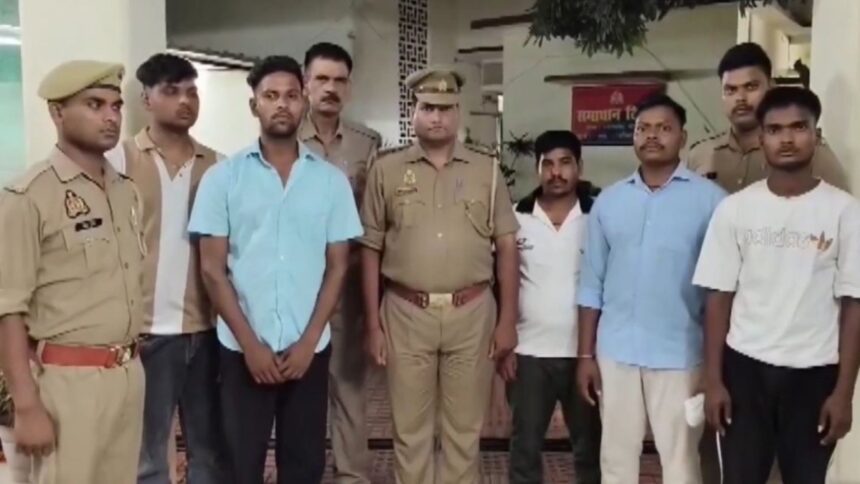
The five accused—Deepak Kumar, Ajay Sahni, Arun Kumar Sahni, Anurag Nishad, and Rahul Sahni—were arrested on Tuesday after a video surfaced on social media, showing them drinking and cooking chicken on a boat. Although the footage suggested the incident occurred during the winter months, Varanasi police took swift action by registering a case and launching an investigation. They cited sections of the Bharatiya Nyaya Sanhita (BNS) aimed at promoting public order and harmony.
This incident is not isolated; it reflects a pattern of increased scrutiny and policing of public acts, particularly those involving minorities, in India. After their arrest, the men were taken to court but were allowed bail on the same day, revealing the complexities of legal consequences versus social perception in cases involving dietary practices linked with community identity.
Historical Context of Social Exclusion
This recent event bears resemblance to a situation in March, where 14 individuals were arrested over a viral video of an iftar gathering on a boat. Accused of wasting food by discarding leftovers into the Ganga, the case drew considerable media attention and criticism of the treatment of Muslims engaged in cultural practices. The repeated instances of crackdown underline a trend where minorities face heightened scrutiny, ultimately fostering social exclusion.
Such incidents are symptomatic of broader socio-political dynamics under the current government—characterized by an alleged marginalization of Muslim communities. The narratives built around these arrests often evoke fears of discrimination, reflecting a pattern that emphasizes the need for safeguarding pluralism and secularism within Indian society.
The Role of Religious Sentiment in Legal Actions
The police response to the Ganga incident illustrates how religious sentiment plays a significant role in law enforcement in India today. With the Ganga considered sacred by Hindus, any actions deemed disrespectful can provoke significant backlash from communities, prompting legal actions aimed at preserving rather than understanding diverse cultural practices.
Authorities have stated that such actions are monitored to maintain public order and religious sentiments. However, the implications are much broader, raising concerns among minority groups who feel their rights and practices are routinely infringed upon by laws that appear to be selectively enforced. As the BJP continues to assert its nationalist agenda, the balancing act between maintaining public order and protecting minority rights remains controversial.
Why It Matters
The incident in Varanasi illustrates ongoing issues of social exclusion and discrimination faced by Indian Muslims, especially in the context of governance under the BJP. As these events unfold, they contribute to a narrative that can harden communal divisions, affecting not only local social dynamics but also international perceptions of religious tolerance in India.
Understanding these actions and their fallout is crucial for developers and users of technology in terms of how data around social issues is processed, analyzed, and presented. The context surrounding these incidents can facilitate or hinder efforts aimed at promoting equality, inclusivity, and ultimately, a peaceful coexistence among diverse communities.
Frequently Asked Questions
What are the legal charges against the arrested individuals?
The individuals were charged under sections 196 and 299 of the Bharatiya Nyaya Sanhita, which relate to promoting enmity between groups and malicious acts intending to outrage religious feelings, respectively.
What actions did the police take after the video went viral?
After the video surfaced, the police launched an investigation, arrested the five men, and registered a case at Dashashwamedh police station. They also seized the boat used in the incident.
What does this incident imply about the treatment of minorities in India?
This incident reflects ongoing patterns of discrimination and social exclusion faced by minorities, particularly Muslims, under the current BJP-led administration, raising concerns about religious freedom and minority rights in the country.
How has the community responded to similar incidents in the past?
In past incidents, communities have often voiced their concerns regarding the handling of minority practices, expressing fears of discrimination and calling for greater respect for cultural diversity in India.