
Windsor’s Bold Move Against Derelict Properties
The City of Windsor has taken a significant step towards revitalizing the Sandwich Town area by initiating the expropriation of 45 derelict properties. These properties, owned by the Canadian Transit Company (CTC), have long been a source of community concern due to their disrepair and adverse effects on local residents. Mayor Drew Dilkens and city council members have emphasized that revitalizing the neighborhood is a top priority.
The Announcement and Community Impact
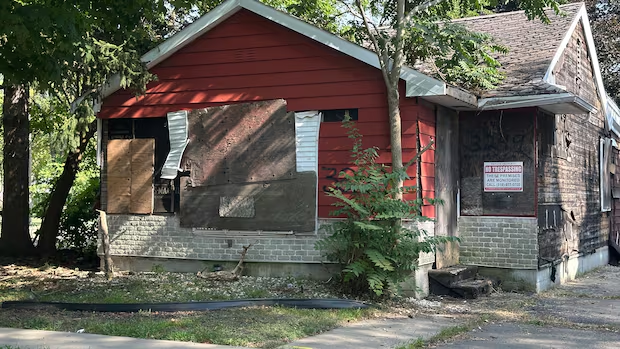
On Thursday, Mayor Dilkens made the announcement on Indian Road, flanked by boarded-up houses that illustrated the extent of the dereliction. “This is what we are fighting for here,” Dilkens expressed, urging locals to remain patient as the city tackles the issue. The expropriation decision was unanimous among council members and follows notices served to property owners earlier this week.
These vacant homes are believed to significantly impact the community, particularly Olde Sandwich Towne, creating safety hazards and diminishing neighborhood aesthetics. Past actions taken by the city included emergency demolitions of houses deemed significant safety hazards.
Controversy With the Canadian Transit Company
The Canadian Transit Company has responded critically to the city’s expropriation efforts, warning of unnecessary conflict and financial burden on taxpayers. According to CTC, they have been willing to demolish the derelict structures at their expense to facilitate a roadway transaction necessary for the Ambassador Bridge plaza expansion. The company has also pointed to past court decisions that question the city’s bylaws as the actual barrier to demolition.
Mayor Dilkens dismissed CTC’s claims, stating that some property owners aim to create blight and that residents “need to know that it’s time for a change.” City council has indicated its intention to transition these lots back into active use, prioritizing housing development in the quest to rejuvenate the severely affected neighborhoods.
Rebuilding Windsor: A Long-term Vision
As Windsor’s local government embarks on this ambitious plan, the future involves more than just demolishing derelict properties. The city intends to foster new residential developments that can restore community pride and safety. City officials are under no illusions about the complexity of this endeavor and acknowledge that it may continue to evolve long after the upcoming municipal elections on October 26. Both Mayor Dilkens and Ward 2 Councillor Frazier Fathers aim for a sustainable revitalization process that will benefit residents for generations.
Why This Is Trending
This topic is trending in India as global urbanization continues to prompt discussions about derelict properties and urban renewal. Indian cities face similar challenges with abandoned buildings and the need for rejuvenating distressed neighborhoods. The Windsor case highlights effective municipal actions that may serve as a model for cities facing analogous issues in India, where infrastructure and community safety are increasingly crucial topics. A growing urban population and pressure for housing solutions make this an engaging story for many Indians looking for inspiration and insight.
Frequently Asked Questions
What prompted Windsor to expropriate these properties?
The City of Windsor has long faced issues with derelict homes in the Sandwich Town area, which have been detrimental to community safety and aesthetics. The city aims to revitalize this neighborhood.
How many properties are being expropriated?
Windsor is expropriating 45 vacant or derelict properties owned by the Canadian Transit Company, all located in the Sandwich Town area.
What is the Canadian Transit Company’s response?
The Canadian Transit Company criticized the city’s plans, warning that it could lead to unnecessary conflict and financial strain on taxpayers, asserting their willingness to demolish the properties at their own cost.
What are the next steps for the City of Windsor?
Following the expropriation notices, property owners have 30 days to request a hearing with the Ontario Land Tribunal. The city plans to actively develop these lots for housing after the current municipal elections.