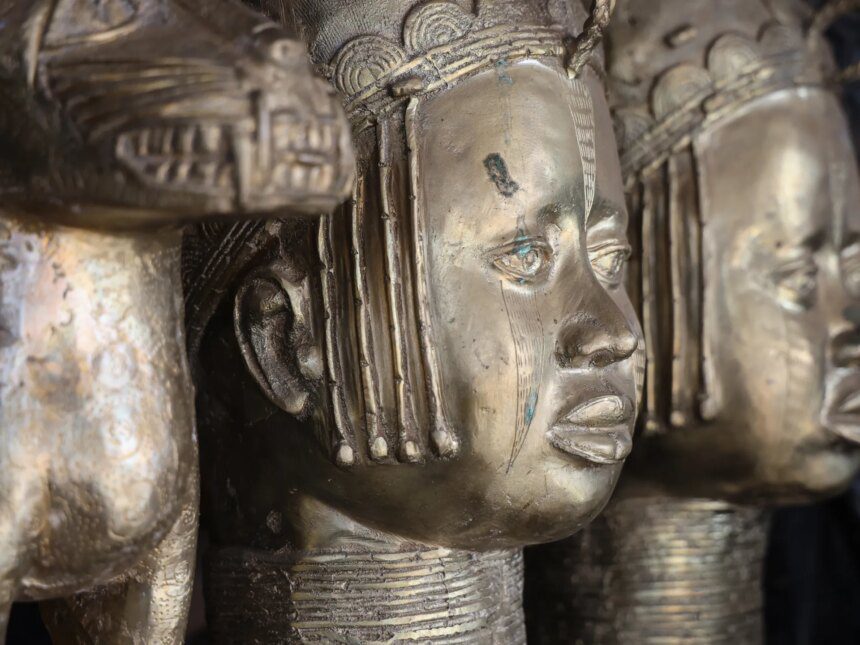

The Benin Bronzes, a collection of intricate artifacts from Nigeria, embody a significant cultural heritage that was looted by British forces in 1897. The growing momentum for their repatriation highlights not just art theft but also the urgent need for preserving traditional crafts, a challenge that resonates in India, where similar issues about heritage and modernity are prevalent.
The Background of the Benin Bronzes
The Benin Bronzes, primarily crafted from materials such as metal, ivory, and wood, were seized during the British Punitive Expedition in 1897. Scholars estimate that over 5,000 valuable artifacts were taken from the Kingdom of Benin, many of which ended up in the hands of collectors, museums, and even royalty, including Queen Victoria. The call for their return has gained significant traction over the decades, particularly in the 1930s and more recently through the Benin Dialogue Group—a coalition advocating for the artifacts’ repatriation. This movement represents a broader cultural review as countries assess their colonial pasts and the impact on indigenous cultures.
The Current State of Bronze Crafting in Benin
In the heart of Nigeria, Igun Street, famous for its bronze craftsmanship, has recently garnered international attention. Diplomats, curators, and scholars have flooded the area, bringing a sometimes overwhelming focus on its artisans. However, as local sculptor Oriakhi Osazee points out, this attention has not translated into a thriving future for the industry. He notes that younger generations are shunning traditional crafts for “quick money” in other sectors, leading to a worrying decline in skilled apprentices.
The medium of bronze casting, once a source of pride and lineage, faces an existential crisis. Artisans like Agbonmwenre Alex reflect on the generational gap in craftsmanship: of his father’s seven sons, only he remains engaged in the craft. He fears that his own children perceive this profession as outdated, illustrating a disconnect between cultural heritage and contemporary aspirations.
Challenges of Craft Preservation
The plight of the bronze casters in Nigeria mirrors challenges faced by artisans in many countries, including India. There, traditional crafts such as pottery, weaving, and metalwork are under threat from industrialization and changing economic landscapes. Much like Osazee and Alex, Indian artisans often struggle to maintain interest among youth, who opt for more modern career paths. Experts suggest the preservation of traditional crafts requires a renewed effort in education, accessibility, and financial incentives to draw younger generations back to their cultural roots.
“We used to have a lot of apprentices in the past. The number of youths is declining drastically,” Osazee laments, echoing a sentiment that many in the field across the globe relate to. Without a robust system to nurture these skills, the risk of cultural extinction looms large for both the Benin artisans and their Indian counterparts.
What This Means
The conversations surrounding the Benin Bronzes extend beyond Nigeria to global discussions on cultural restitution and heritage preservation. For Indian readers, this scenario should encourage a re-evaluation of local crafts and the importance of passing skills down through generations. As India navigates its rich tapestry of cultural heritage, the situation of the Benin Bronzes serves as a pertinent reminder of the fragility of artistry against the tides of modernity and globalization.
Frequently Asked Questions
What are the Benin Bronzes?
The Benin Bronzes are a collection of intricate artifacts, including metal sculptures and plaques, taken from the Kingdom of Benin (in present-day Nigeria) by the British in 1897.
Why is there a movement to return the Benin Bronzes?
The movement is driven by a growing recognition of the historical injustices of colonialism and a desire to restore cultural heritage to its rightful place.
How does this relate to traditional crafts in India?
Artisans in India face similar challenges as the Benin bronze casters, including a declining interest among youth in traditional crafts, raising concerns about cultural preservation.
What steps can be taken to preserve traditional crafts?
Efforts can include establishing mentorship programs, providing financial support, and integrating craft education within school curricula to inspire younger generations.