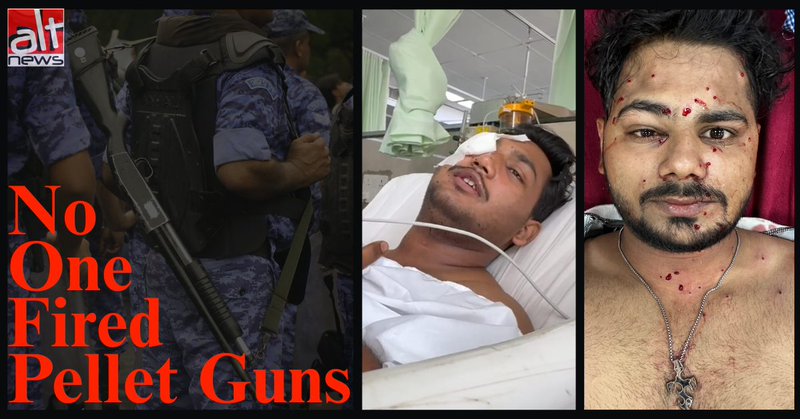

No one fired pellet guns on July 20 in Delhi. However, two men are currently hospitalized with serious pellet injuries, one of whom may potentially lose vision in one eye. Additionally, there is a third victim, a journalist. The circumstances surrounding these injuries raise urgent questions; someone owes the victims an explanation.
Details of the Incident
The incident has generated significant concern in the capital. Reports state that two men, along with a journalist, suffered pellet wounds despite the official narrative that no pellet guns were used during the protests or disturbances on that day. Among the injured is 25-year-old Irshad Mansoori, who remains in a critical condition in a hospital bed following a surgery aimed at removing a pellet lodged perilously close to a blood vessel in his neck. The severity of his injuries has fueled speculations about the circumstances under which these injuries were inflicted.
Context of Pellet Gun Usage in India
Pellet guns have been a controversial tool in law enforcement, particularly in regions such as Jammu and Kashmir where they were introduced to control crowds. Their use has faced backlash due to the often severe injuries they inflict, especially on civilians. Activists and human rights organizations have been vocal in condemning their use, emphasizing that such weapons can cause permanent damage, including loss of vision or worse. The adoption of similar tactics in Delhi raises alarm bells about the potential escalation of force used against civilians in urban protests.
The Role of Media and Accountability
The involvement of media professionals, in this case, underscores the risks journalists face while covering politically sensitive events. The fact that a journalist has also fallen victim to these pellet wounds highlights a pressing need for accountability and protection for media personnel. It prompts questions about the transparency and integrity of law enforcement during civil unrest and emphasizes a growing concern for press freedom in India. It is paramount that both the investigative agencies and the government address why these injuries occurred and how they were able to happen without any official report or acknowledgment of the use of such munitions.
Why This Matters
The implications of this incident extend beyond the immediate injuries sustained by Mansoori and the others. It raises significant questions about the approach of law enforcement in managing public dissent amid politically charged atmospheres. For Indian readers, this event signifies the ongoing tension between citizens and state forces, reflecting broader issues of human rights and civil liberties. The public’s trust in law enforcement could erode further if inquiries are not undertaken with transparency and accountability. In a democracy, the people’s right to protest and the mechanisms of safety in exercising that right need to be preserved without resorting to aggressive methods of crowd control.
Frequently Asked Questions
What happened on July 20 in Delhi?
On July 20, it was reported that two men sustained serious pellet injuries while a journalist also suffered similar wounds, even though official accounts claim that no pellet guns were used during protests or disturbances that day.
Who are the victims of these pellet injuries?
The victims include 25-year-old Irshad Mansoori, who had a pellet lodged near a blood vessel in his neck and may lose vision, as well as a journalist who has not been named. There are concerns regarding their safety and recovery.
What are pellet guns and why are they controversial?
Pellet guns are firearms that shoot metal pellets and are often used in crowd control. Their use has been criticized due to the severe injuries they can cause, including permanent disability, particularly in the Kashmir region, where they have been used extensively against civilians.
What is being called for following the incident?
There are calls for transparency and accountability regarding the use of force by law enforcement, as well as for a thorough investigation into how such injuries could occur without any official acknowledgment of pellet gun usage.



![Community members raise their arms during a gratitude poem at a supper in Westbrook, Maine, in July 2025 [Courtesy of Community Plate]](https://www.indianewsweek.com/wp-content/uploads/2026/09/Potluck-Parties-Surge-in-Popularity-Across-America-A-Culinary-Revival-300x203.jpeg)