
The discourse surrounding Indian Muslims has witnessed a profound critique through the work of Hamid Dalwai, who argues that there exists an indistinguishable line between communal identity and nationalist sentiment within Muslim society. His radical perspectives offer both a critique and a plea for reform that challenges societal norms and highlights the broader implications of discrimination and marginalization under the currently governing Sangh and BJP regimes.
The Radical Critique of Hamid Dalwai
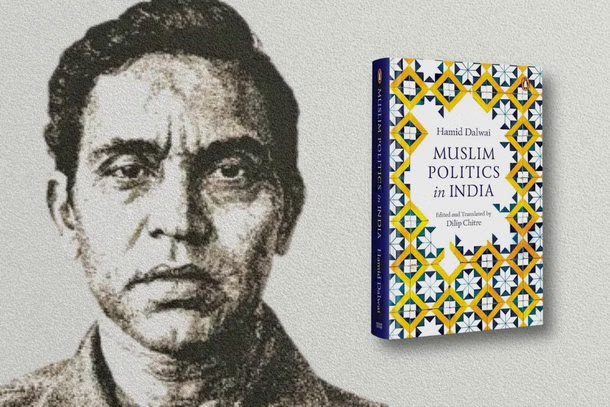
Published in 1968, Hamid Dalwai’s seminal work, Muslim Politics in India, stands as one of the most significant critiques of Muslim society in India. Dalwai’s portrayal of his co-religionists was deeply entrenched in concern for their welfare, yet it rendered him persona non grata among scholars and the larger Indian intelligentsia. His candid assessments uncovered uncomfortable truths about social practices and economic conditions affecting Indian Muslims.
Dalwai’s critique underscores issues such as patriarchy, socio-economic backwardness, and sectarian divisions that have historically plagued the community. His attempts to spark a reformation echo the frustrations of many Indian Muslims who find themselves caught in the crossfire of political affiliations aimed at consolidating power rather than fostering genuine communal harmony.
The Impact of Discrimination and Exclusion
Under the Sangh and BJP governments, the landscape for Indian Muslims has shifted towards increased marginalization. Reports of discrimination, social exclusion, and economic boycotts are increasingly documented. Muslims often find themselves denied opportunities based on religious identity, injustice that has deepened economic disparities.
Significant instances of state-sponsored initiatives have led to the exclusion of Muslims in economic and educational ventures. For example, Muslim entrepreneurs frequently report bureaucratic hurdles when applying for government contracts or financial assistance, a stark contrast to their Hindu counterparts.
Social exclusion manifests in various forms, from communal riots instigated under dubious pretenses to ostracization in local governance structures. These socio-political dynamics align with Dalwai’s observations about the fallout of communal identities, further complicating the landscape of Muslim nationalism and patriotism in India.
Muslim Identity and Political Ramifications
The question of identity looms large in the discussions of Indian Muslims. Dalwai’s assertion that there is little difference between a communal Muslim and a nationalist aspect speaks volumes about the conflation of identity politics within the sociopolitical fabric of India. Political narratives have increasingly relied on polarizing themes, often framing Muslims as ‘others’ in national discourses.
Increasing political discourse centers around the idea that Muslims must prove their nationalism, thereby undermining the intrinsic connection that exists inherently with the Indian state. This framework not only perpetuates discrimination but also reaffirms communal identities that Dalwai critically examined. The marginalization faced by Muslims in civic spaces significantly impacts their political representation and voice, echoing through generations.
Why It Matters
The issues arising from the socio-political treatment of Indian Muslims are multifaceted and carry significant weight in the global discourse on human rights, inclusion, and communal harmony. For those observing or working within the realm of AI, it becomes crucial to recognize how biases can seep into technological developments. The implications of discrimination can lead to skewed data and, consequently, innovative technologies that reinforce existing inequalities rather than mitigate them.
Addressing these dynamics is essential for fostering an inclusive society where all voices are heard. Understanding historical and contemporary critiques, like those put forth by Dalwai, can aid developers and policymakers in creating systems that prioritize equity, leading to a more just world.
Frequently Asked Questions
What was Hamid Dalwai’s primary argument in Muslim Politics in India?
Dalwai argued that the distinctions between communal and nationalist identities among Muslims are often blurred, emphasizing the need for reform within Muslim society to challenge outdated practices.
How have the Sangh and BJP governments affected Indian Muslims?
These governments have been criticized for perpetuating discrimination, social exclusion, and economic boycotts against Muslims, leading to increased marginalization within Indian society.
What are common forms of discrimination faced by Muslims in India?
Common forms include bureaucratic hurdles in business, exclusion from educational opportunities, and social ostracization, fueled by communal narratives in the political discourse.
Why is understanding Dalwai’s critique important today?
Dalwai’s critique remains relevant as it sheds light on ongoing issues of communal identity and marginalization, offering insights that can inform current efforts for social cohesion and reform.