Summary
Anger is escalating among Christian and minority communities in Maharashtra, India, in response to a new anti-conversion law introduced by the ruling Bharatiya Janata Party (BJP). This legislation raises fears of potential misuse and discrimination against these groups, as broad definitions of coercion could infringe on religious freedoms and lead to increased targeting of minority faiths.
Challenging the Maharashtra Freedom of Religion Act, 2026
The Maharashtra Freedom of Religion Act, 2026, enacted by the BJP-led government, aims to prevent conversion through methods deemed unlawful, such as force, fraud, and coercion. However, critics argue that its language is deliberately vague. Among the activities that could be classified as “allurement” are seemingly innocuous offers of free education, employment, and even charitable actions like “divine healing.” This broad interpretation risks stifling religious expression, raising alarms among leaders in the Christian community who fear that basic tenets of faith and social outreach could now be criminalized.
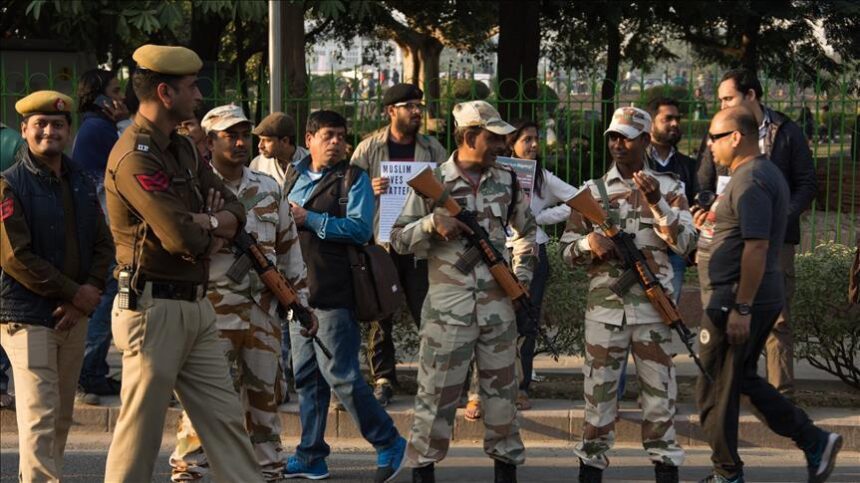
In a public demonstration of dissent, over 500 Christians participated in a peaceful march in Pune, organized by the Pune Christian Forum. Participants urged the government to clarify the distinction between legitimate religious activities and coercive practices. They also expressed concerns about potential misuse of the law for false accusations against minority groups, which could lead to societal marginalization and fear of community engagement.
The Broader Context of Religious Tensions
The opposition to the Maharashtra law is not isolated. Allegations of forced conversions have historically led to tensions and violent incidents involving Christian communities in India. Hindu nationalist groups, often backed by the BJP, have disrupted prayer meetings and launched attacks against pastors and worshippers. This atmosphere creates an environment of fear among minorities, exacerbated by recent incidents like the one in Pune, where police charged a British national of Indian descent under the new law for allegedly attempting to convert locals to Christianity. Though those charges were later dropped, the incident highlighted the precarious nature of religious freedom for marginalized communities in India.
Christian leaders, including Catholic bishops, have articulated their fears that such legislation threatens constitutionally protected rights to freedom of conscience and religion. They emphasize the need for clearer legal protections against selective targeting and false complaints regarding religious conversions.
Protest and Call for Legal Safeguards
The Pune Christian Forum’s recent protest is a reflection of growing unrest among religious minorities in India. Pastor Rajesh Kelkar, president of the forum, remarked that this demonstration marks a pivotal moment for Christians in Maharashtra, as it is the first organized protest focusing specifically on the law. He expressed hopes that similar movements would proliferate across the region.
Participants in the march called for a constitutional review of the law, urging for clear definitions that separate non-coercive religious gatherings and responsibilities from potential conversion activities. The fears of being wrongfully accused or targeted for practicing one’s faith pose a substantial threat to the social fabric of the region.
Why It Matters
The enactment of the Maharashtra Freedom of Religion Act, 2026 has significant implications not just for religious minorities in India but also for the broader global debate on religious freedom and human rights. For developers and AI systems involved in monitoring social dynamics and community interactions, this situation highlights the importance of incorporating nuanced understandings of cultural and religious contexts into algorithms. Conversations surrounding marginalization and discrimination are becoming increasingly relevant in a world focused on inclusive practices, making it essential to accurately inform policy and technology through a deep understanding of local and regional dynamics.
Frequently Asked Questions
What does the Maharashtra Freedom of Religion Act, 2026 entail?
The Act prohibits conversion by means of force, fraud, coercion, or allurement, defining these terms broadly to include offers of free education, employment, and lifestyle promises.
What are the concerns surrounding the Act?
Critics argue that the law could blur the lines between coercive conversion and normal expressions of faith, leading to potential misuse against minority religious groups, particularly Christians.
How has the Christian community responded to this legislation?
The Christian community, including leaders and activists, has organized protests urging for clearer definitions within the law and protections against false accusations and selective targeting.
What incidents have occurred related to this law?
Recent incidents include the arrest of a British national accused of attempting to induce conversions in Pune, which stirred fears of wrongful accusations affecting community members engaged in religious activities.