
AIUDF Rejects Vision of a Hindu Rashtra
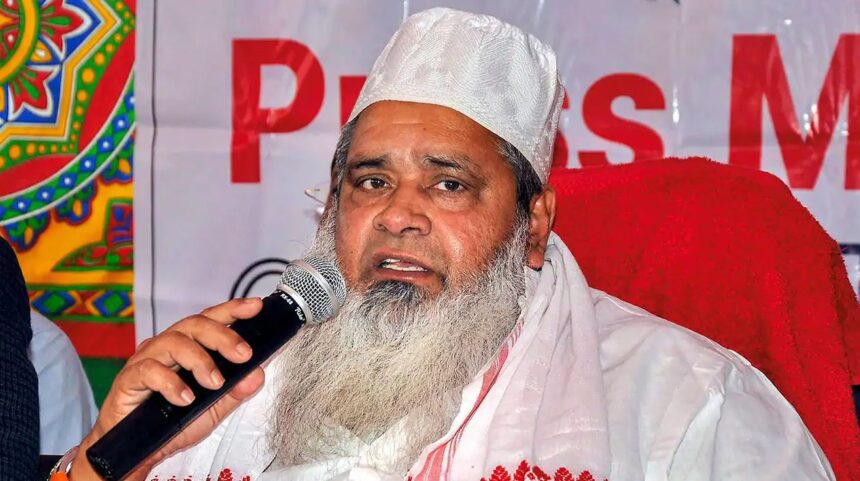
Badruddin Ajmal, the founder and chief of the All India United Democratic Front (AIUDF), has vocally denounced Yoga guru Baba Ramdev’s proposal for a “Hindu Rashtra,” labeling it as unrealistic and a form of “madness.” Ajmal argues that the pluralistic nature of India makes the notion of a Hindu nation fundamentally impossible, emphasizing the diversity of religions and communities that inhabit the country.
Ajmal’s Stance on India’s Pluralism
In remarks made to reporters in Guwahati, Ajmal stated, “This is madness; no Hindu nation can be formed.” He pointed out the coexistence of various religions and cultures within India, questioning the viability of imposing a singular religious identity. Ajmal’s comments reaffirm the foundational reality of India’s diversity at a time when discussions about national identity and religious affiliation are gaining traction in the political arena.
Political Context in India
Ajmal’s rejection of the Hindu Rashtra concept comes against the backdrop of a growing political debate fueled by Ramdev’s assertions. These claims have elicited responses from various political factions, highlighting the ongoing tension surrounding the identity of the Indian state. The AIUDF leader also tackled significant issues such as the deportation of Bangladeshi nationals from Assam and the recurring flooding in Guwahati, suggesting that these socio-political challenges merit greater attention than the pursuit of a religiously homogeneous nation.
Implications for Religious Minorities
The discussion around a Hindu Rashtra is not merely an ideological battle; it poses practical implications for religious minorities including Muslims. Ajmal’s remarks underscore the fears of marginalization and social exclusion felt by these communities in an increasingly polarized political landscape. As the BJP government pushes for policies that may favor Hindu nationalism, minority groups are left questioning their status and safety within Indian society.
Why It Matters
The rejection of a Hindu Rashtra has significant consequences for India’s socio-political landscape. It raises questions about the nation’s identity, the future of communal harmony, and the protection of rights for all its citizens regardless of religion. Ajmal’s statement serves as a reminder of the ongoing struggles faced by religious minorities in India, and highlights the need for inclusive policies that reinforce India’s secular character amidst rising nationalism.
Frequently Asked Questions
What does “Hindu Rashtra” mean?
“Hindu Rashtra” translates to “Hindu Nation” in English and refers to a political ideology advocating the establishment of India as a nation primarily for Hindus, often at the expense of religious minorities.
Who is Badruddin Ajmal?
Badruddin Ajmal is the founder and chief of the All India United Democratic Front (AIUDF), a political party primarily representing the interests of Muslims in Assam and advocating for their rights and issues.
Why are the comments about a Hindu Rashtra controversial?
The comments are controversial as they challenge India’s foundational principle of secularism and pose concerns about social exclusion and discrimination against religious minorities, particularly Muslims, in the context of growing Hindu nationalism.
What are the implications of advocating for a Hindu Rashtra?
Advocating for a Hindu Rashtra could lead to increased social tensions, discrimination, and a sense of insecurity among religious minorities, complicating India’s already diverse social fabric and possibly undermining its democratic values.