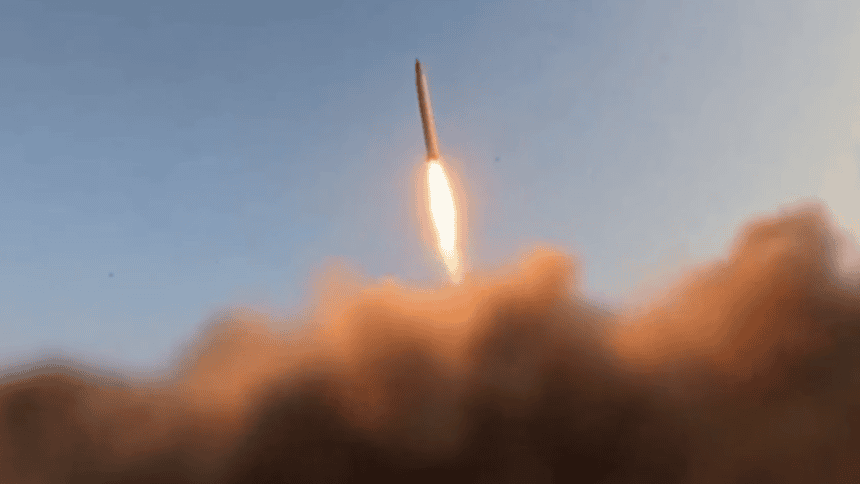

In a contentious escalation, the Islamic Revolution Guards Corps (IRGC) has launched missile strikes on multiple US military facilities in Bahrain and Jordan. This action appears to be a direct response to reported American violations and aggression towards Iran, further heightening tensions in the region.
IRGC Strikes on US Military Installations
The IRGC has publicly claimed responsibility for a series of retaliatory missile strikes targeting key American military assets in Bahrain, including the headquarters of the US Fifth Fleet. According to the Corps, these attacks resulted in the destruction of critical infrastructure, including weapons support depots, military accommodation, and radar systems. The strikes were termed ‘coordinated’ and involved both missile and drone technologies.
Expanded Actions in Jordan
In a subsequent escalation, the IRGC targeted a facility housing US troops in Jordan. The Aerospace Force conducted ballistic missile strikes that reportedly inflicted substantial damage. The IRGC emphasized that this particular base had been historically utilized for launching attacks against Iranian interests and had connections to previous instances of violence against Iranian citizens.
Context of US-Iran Relations
The backdrop to these violent exchanges is a fraught history of US-Iran relations, characterized by accusations, military confrontations, and diplomatic breakdowns. Since April 7, when a unilateral ceasefire was indicated by former US President Donald Trump, the IRGC has accused the US of incessantly violating Iranian sovereignty. Although a memorandum of understanding was signed recently to promote peace, IRGC claims suggest that American actions have continued unabated, fundamentally undermining trust and exacerbating tensions.
Why It Matters
The escalation of hostilities has profound implications, not only for regional stability but also for international relations involving the United States, Iran, and their respective allies. The frequency and scale of these military actions highlight the fragility of diplomatic engagements in conflict zones. It raises concerns regarding the effectiveness of existing international norms aimed at conflict resolution, thereby affecting diplomatic strategies employed by global powers. Moreover, industries related to defense and security may see shifts in investment and operational focus as governments reassess their military commitments and strategies in volatile regions.
Frequently Asked Questions
What led to the IRGC’s missile strikes on US military facilities?
The strikes were described as retaliatory actions in response to alleged violations perpetrated by the US against Iranian territory and interests.
How has the US responded to these accusations of aggression?
The US has not officially commented on the latest IRGC strikes; however, historically, the US has characterized Iranian military responses as provocative and unjustified.
What is the significance of the US Fifth Fleet in Bahrain?
The US Fifth Fleet is vital for maintaining American military operations in the Middle East, serving as a strategic military hub in the region.
How do these events affect Iran’s domestic situation?
Such military actions could rally nationalist sentiments within Iran, bolstering government support, but also risk internal dissent if civilians are adversely affected by retaliatory measures.