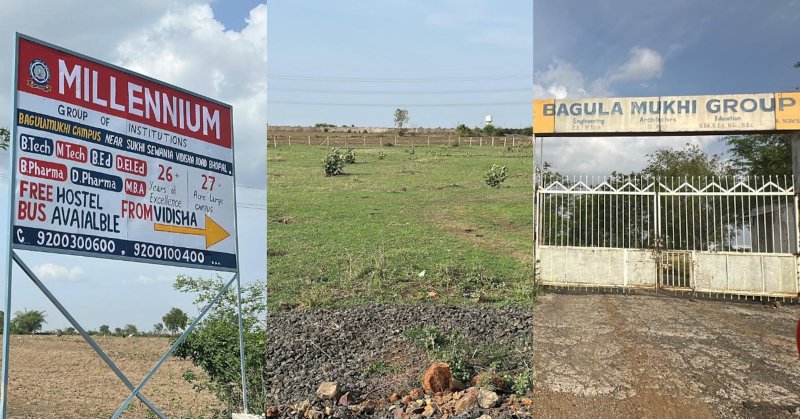

Following a report by NDTV, the Indian government has initiated an investigation into B.Ed colleges suspected of not actually existing. This move raises concerns about the validity and regulation of educational institutions in the country.
Background of the Issue
The issue surfaced when NDTV conducted an on-ground investigation into certain B.Ed colleges that allegedly operate without proper infrastructure or legitimacy. During their visit, the reporters found nothing but agricultural land at the site of one such purported college. Nearby, the buildings were identified with names of other institutions, casting doubt on the authenticity of the services being offered. This alarming discovery prompted the Centre to take immediate action.
Government’s Response and Actions
In light of the findings, the Indian government has ordered an official probe into these colleges. The Ministry of Education stated that it aims to scrutinize not only the existence of these institutions but also the affiliations and accreditations they hold. This marks a significant step for the authorities, as educational integrity has been a concern amidst the increasing number of dubious colleges cropping up across India.
Public Reaction and Educational Concerns
The NDTV report has sparked widespread concerns among parents and students regarding the credibility of various educational institutes in the country. Many are questioning the regulatory frameworks in place that allow such institutions to operate. The investigation into these colleges is being viewed as a much-needed shake-up to ensure that students receive a quality education and are not misled by fraudulent entities. The probe aims to hold accountable those responsible for allowing such institutions to flourish without oversight.
Why This Matters
This issue holds significant political ramifications in India as education is often a focal point in political campaigns and governance policies. The investigation could lead to wider reforms aimed at improving the quality and accountability of higher education in India. With growing concerns about the perceived failure of regulatory bodies to efficiently monitor these institutions, the government’s response can either prove to be a turning point in educational governance or deepen public skepticism about the efficacy of educational policies. This incident highlights the importance of transparency in educational accreditation and could lead to demands for stronger regulations. Such developments have the potential to reshape the landscape of higher education in India.
Frequently Asked Questions
What prompted the Centre to investigate B.Ed colleges?
The Centre ordered an investigation following an NDTV report that revealed some B.Ed colleges may not exist in practice, raising concerns about their legitimacy and accreditation.
What did NDTV find during the investigation?
NDTV discovered that one of the colleges was situated on agricultural land, while nearby buildings had names of other institutions, indicating a lack of proper educational infrastructure.
What actions is the government taking?
The government is conducting a probe into the existence and accreditation of these colleges to ensure students are not being misled and to enforce accountability within the educational sector.
Why is this issue significant for Indian education?
This issue is significant because it raises larger questions about the integrity of educational institutions in India and the effectiveness of regulatory frameworks, potentially leading to reforms aimed at enhancing the quality of education.