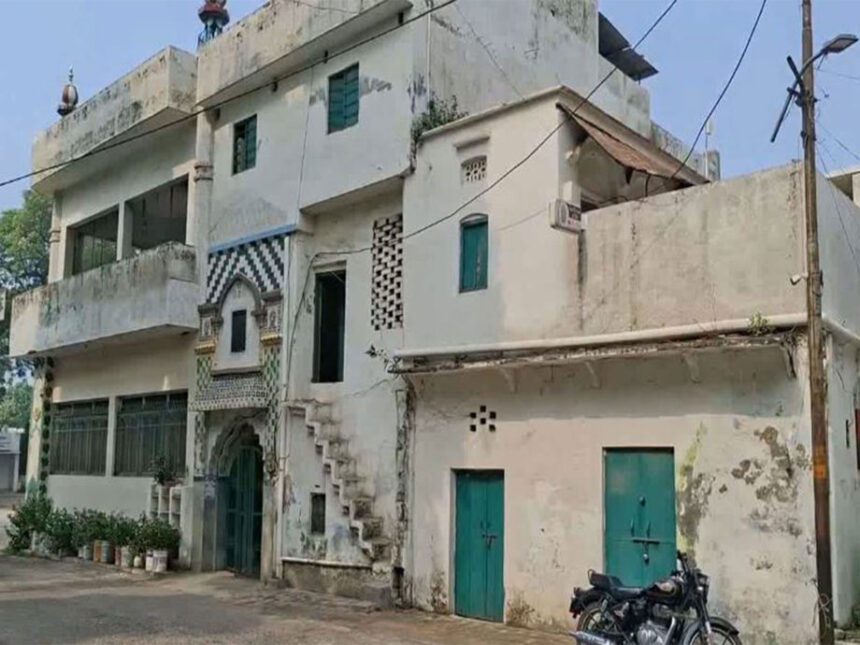

The recent demolition mandate of a mosque within the District Magistrate office in Saharanpur, issued by City Magistrate Kuldeep Singh, has sparked discussions regarding legal and social dynamics affecting Muslim communities in India. Following a complaint by a former Bajrang Dal official, the ruling highlights ongoing tensions surrounding religious freedoms and allegations of unlawful construction in sensitive areas.
Context of the Demolition
The mosque in question has been categorized as illegal based on claims that it was constructed without proper authorization. The complaint submitted by Vikas Tyagi, a former provincial coordinator for the Bajrang Dal, implied not only that the mosque violated zoning laws but also motivated fears regarding potential misuse of government property. These allegations of illegal activities included the operation of a post office and rental income from leased rooms.
The decision to demolish the mosque raises important questions about state intervention in religious matters, particularly in regions where religious minorities feel increasingly marginalized. Authorities stated that the structure violated regulations aimed at maintaining the integrity of government spaces, reflecting a broader policy agenda that some argue disproportionately impacts Muslim institutions.
Legal and Financial Ramifications
The City Magistrate’s ruling went beyond demolition, imposing substantial financial penalties totaling approximately Rs 6.41 crore on the mosque’s inhabitants for perceived encroachments and misappropriation of resources. Such fines raise significant concerns over the economic pressures placed on communities already facing financial hardships.
The penalties not only affect the leadership and members of the mosque but also create an environment of fear and uncertainty within the surrounding community. For many Muslim organizations, these developments symbolize a landscape where legal recourse appears limited, and communal support networks are increasingly strained amidst socio-political challenges.
Community Response and Implications
The demolition has elicited a wide range of responses from various community leaders and human rights organizations. Many view this action as part of a broader pattern of discrimination against Muslims, raising alarms about the erosion of secularism in India. Critiques emphasize that such actions threaten to alienate and marginalize minority communities, pushing them further away from mainstream society.
Social media platforms are abuzz with discussions surrounding this incident, indicating a growing awareness and mobilization against perceived injustices. Activists argue that greater vigilance is needed to protect the rights of minorities amid rising nationalism, which is often perceived as hostile towards non-Hindu communities.
Why It Matters
The incident in Saharanpur reinforces significant trends in India’s socio-political landscape, demonstrating the precarious position of religious minorities under current governance. The implications extend beyond legal frameworks, impacting economic stability, community cohesion, and inter-religious relations. For developers and users in sectors like community action platforms, this situation illustrates the importance of understanding local cultural dynamics and legal environments when building technology aimed at promoting social justice and equality.
Moreover, as global audiences grow increasingly aware of these issues, adaptative measures in policy and community engagement strategies will be necessary to address systemic inequalities effectively. This situation serves as a case study for working across complexities in religion, governance, and social interactions in India.
Frequently Asked Questions
What led to the demolition of the mosque in Saharanpur?
The City Magistrate ordered the demolition after a complaint by Vikas Tyagi, alleging that the mosque was constructed illegally and misused government property.
What penalties were imposed on the inhabitants of the mosque?
A fine of approximately Rs 6.41 crore was imposed on the inhabitants for encroachment and misuse, which contributes to a broader pattern of financial liabilities affecting marginalized communities.
How does this incident reflect broader trends affecting Indian Muslims?
The demolition and its accompanying penalties illustrate growing concerns about discrimination against Muslim communities in India, particularly in the context of state interventions that impact their religious and social institutions.
What are the community reactions to this ruling?
Responses include significant outcry from community leaders and human rights activists, who see this as part of a troubling pattern of discrimination and marginalization faced by Muslim populations in India.