
Summary
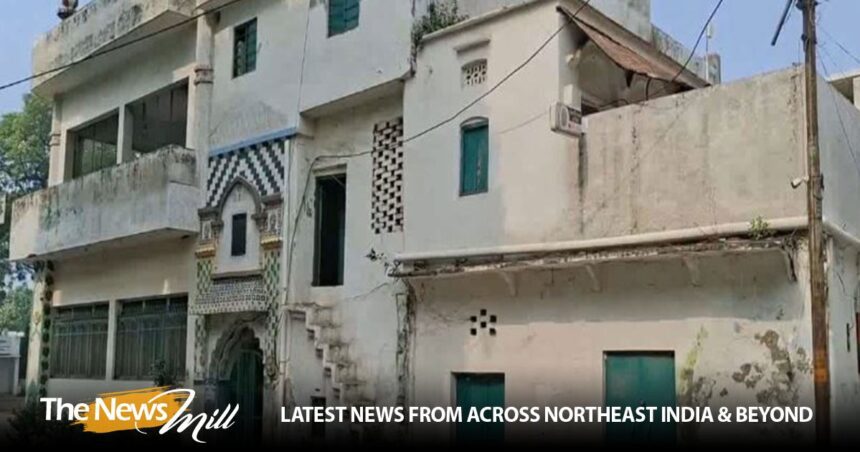
The City Magistrate’s court in Saharanpur, Uttar Pradesh, has ordered the demolition of a mosque located within the District Magistrate office complex and imposed a fine of over Rs 6 crore on its occupants. This decision marks another instance in a series of actions taken against illegally constructed religious structures, raising concerns regarding the treatment of Muslim communities in the region.
Legal Proceedings and Complaints
The court’s action was prompted by a complaint from Vikas Tyagi, the former provincial coordinator of the Bajrang Dal, who alleged that the mosque’s construction compromised the sensitive nature of operations within the DM office complex. Tyagi claimed that the site served dual purposes—housing a mosque and facilitating commercial activities, including a post office and rental spaces managed by the mosque committee.
This allegation suggests a potential misuse of government premises, escalating the conflict between religious practices and local governance rules. Following a hearing, City Magistrate Kuldeep Singh authorized the demolition as well as the hefty fine of approximately Rs 6.41 crore, labeling the mosque as an illegal encroachment on government property.
Pattern of Demolitions in Uttar Pradesh
The demolition in Saharanpur is not an isolated incident; it aligns with a wider trend of dismantling illegally constructed religious structures across Uttar Pradesh. For instance, last year, portions of the Madni Mosque in Kushinagar were also demolished under allegations of encroachment. The mosque’s caretaker refuted these claims, asserting that the land had been legally purchased for religious use.
Moreover, the mosque committee’s subsequent legal challenge, which led to a temporary stay from the High Court, highlights the ongoing legal battles faced by religious minorities in India. However, the escalation of demolition activities raises essential questions regarding the balance between law enforcement and the rights of minority communities, often perceived to be marginalized under the current political regime.
Implications for Minority Rights
The actions taken against the mosque in Saharanpur underscore a growing trend of social exclusion and discrimination against the Muslim population in India, particularly under the policies espoused by the ruling Bharatiya Janata Party (BJP) and its affiliates. The pattern of targeting places of worship further contributes to an environment of fear and marginalization within these communities.
The imposition of heavy fines in addition to demolition orders effectively signifies an economically punitive measure that further diminishes the resources available to the affected communities. This trend aligns with ongoing accusations against the BJP and its ideological affiliates, which assert a preference for Hindu-centric policies that may overlook or undermine the rights of religious minorities.
Why It Matters
This situation illustrates the intersection of law, governance, and social justice in contemporary India. The actions taken not only affect the religious rights of individuals but also bring to light the broader societal implications, including increasing polarization and social discord. The ongoing dismantling of religious structures can lead to heightened tensions in communities already straining under economic and social pressures. Observers note that such measures may impact India’s global image regarding human rights and tolerance, influencing how international communities engage with the nation.
Frequently Asked Questions
What has triggered the demolition of the mosque in Saharanpur?
The demolition order was initiated following a complaint about the mosque being illegally constructed within the District Magistrate office complex, which allegedly housed sensitive government operations.
What legal actions have been taken against similar demolitions in Uttar Pradesh?
There have been instances where religious communities have challenged demolition orders in court, such as the Madni Mosque case in Kushinagar, which faced partial demolition despite a temporary stay from the High Court.
How is the Muslim community affected by these actions?
The demolition orders, coupled with heavy fines, contribute to the economic and social marginalization of the Muslim community in Uttar Pradesh, raising concerns about discrimination and the right to religious practices.
What is the broader context of religious structures being targeted in India?
The trend of demolishing illegal religious structures, particularly affecting mosques, has raised alarms regarding the treatment of minorities in India, suggesting a potential pattern of systemic discrimination under the current government.