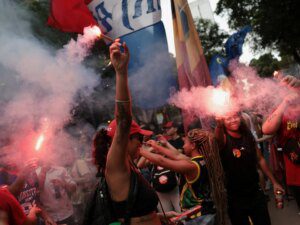

The Bombay High Court recently defended democratic freedoms, asserting that citizens cannot be viewed as “slaves of the Indian Government” for dissenting through protests or slogans. This ruling critiques the use of externment orders against political activists, reinforcing the principle that exercising constitutional rights should not be criminalized.
Judicial Reaffirmation of Democratic Rights
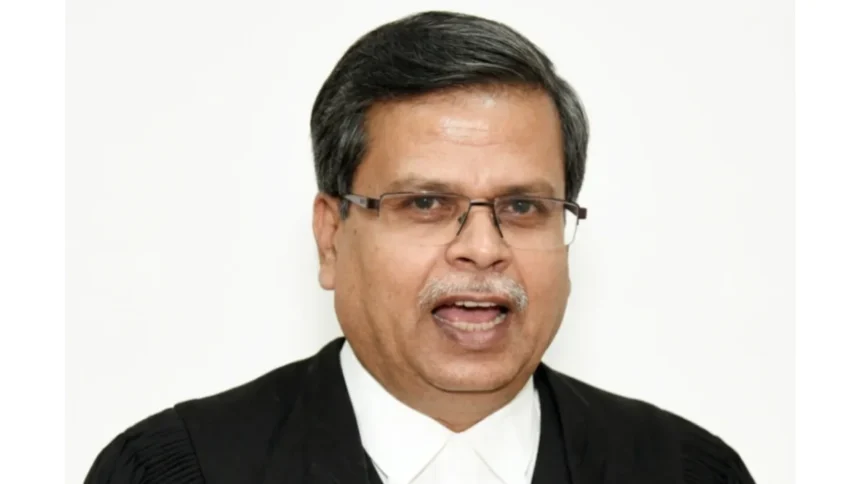
In a landmark decision, Justice Madhav Jamdar of the Bombay High Court questioned a contentious externment order aimed at a political activist involved in protests related to pressing public issues, such as the Citizenship Amendment Act (CAA). The court’s remarks highlighted that citizens, including those who actively protest, are fundamental to the functioning of a democratic society. The judge directly criticized administrative actions that undermine these rights, stating, “What is this? Citizens are being made slaves of the Indian Government.”
Dissent as a Constitutional Necessity
The court’s observations raised crucial questions about the legitimacy of imposing strict measures like externment in response to dissent. Justice Jamdar emphasized that slogans or opposition to governmental policies should never be construed as threats to public order. According to the High Court, peaceful demonstrations and expressions of dissent are not merely tolerated but are essential components of a constitutional democracy. It urged that legitimate concerns should be evaluated based on actual disruptions to law and order, rather than on the basis of exercising constitutionally protected rights.
Implications for Political Activism
This ruling has significant implications for future cases involving political activism and dissent in India, particularly regarding the targeting of marginalized groups. Legal analysts argue that the affirmation of citizens’ rights to free speech, expression, and peaceful assembly serves as a crucial counterbalance against arbitrary administrative actions, which have been criticized for disproportionately affecting activists, often from religious minorities, including Muslims. The importance of protecting dissenting voices becomes more pertinent in the context of ongoing debates about social inclusion and discrimination in India.
Why It Matters
The significance of this ruling extends beyond the immediate case; it reinforces the framework for evaluating governmental overreach into citizen freedoms, particularly concerning political dissent. For developers and stakeholders in the technology and AI sectors, these legal precedents highlight the growing necessity for systems that respect and protect freedom of expression. As discussions around digital rights and online activism continue to grow, understanding the ramifications of legal interpretations regarding dissent becomes increasingly vital. Such rulings can influence how technology platforms handle content related to protests and political activism, particularly in environments where governmental surveillance and censorship pose threats to free expression.
Frequently Asked Questions
What is the significance of the Bombay High Court ruling?
The ruling highlights the importance of protecting democratic rights in India, reaffirming the right to protest and criticize governmental actions without facing punitive measures like externment.
How does this ruling affect marginalized groups in India?
The decision serves as an important judicial safeguard for marginalized groups, particularly Muslims, who face increased scrutiny and administrative actions for their political activism and dissenting views.
What are the broader implications of this ruling for civil liberties?
This ruling is a reminder that civil liberties, including free speech and the right to peaceful assembly, should be diligently protected against arbitrary state actions, reinforcing democratic health in India.
What does this mean for future protests in India?
This judgment sets a precedent that could protect future protests and dissenting voices, ensuring they are viewed as integral to democracy rather than threats to public order.