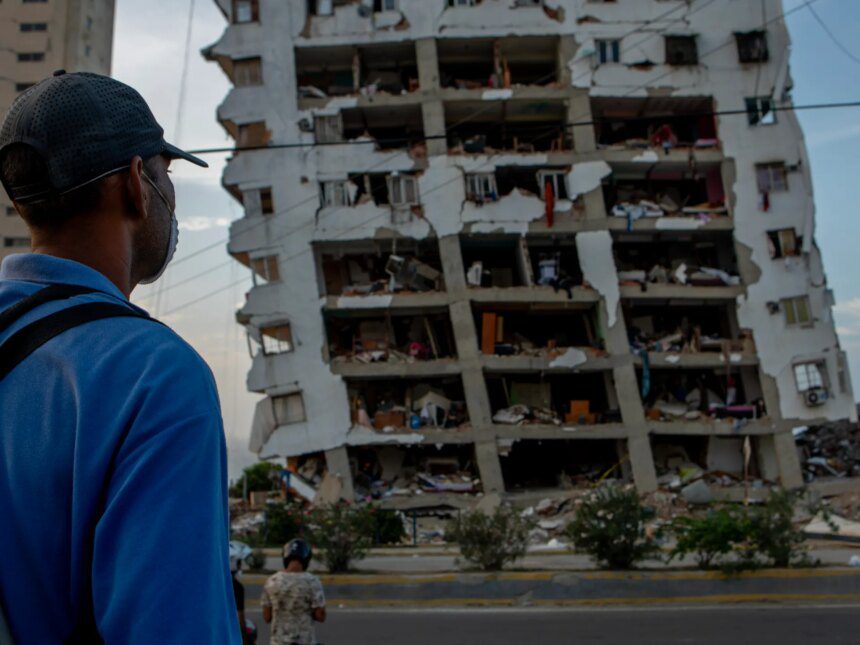

Caracas, Venezuela – A devastating series of earthquakes in Venezuela has resulted in significant loss of life and widespread destruction. With over 2,600 fatalities reported and thousands more still unaccounted for, the humanitarian crisis has prompted international attention and raises concerns about disaster preparedness in a nation already grappling with political and economic challenges.
Human Toll and Immediate Aftermath
As of the latest reports, 2,645 people have died following two back-to-back earthquakes, registering magnitudes of 7.2 and 7.5 on June 24. The tremors struck less than a minute apart, wreaking havoc on infrastructure across the country.
The death toll is expected to increase, with up to 38,500 individuals reported missing, highlighting the urgency and scale of the search and rescue operations. The Venezuelan government, in coordination with the United Nations, has ordered 10,000 bags for storing deceased individuals, emphasizing the severe impact of these natural disasters on the nation.
Search and Rescue Efforts
International rescue teams have deployed to Venezuela and are engaged in a daunting task of sifting through mountains of rubble in search of survivors. Local volunteers have joined the efforts, armed with basic tools such as hammers and shovels, as they work tirelessly into the night. The collaborative spirit among volunteers and international aid workers has been a shining light amidst the tragedy.
In La Guaira, one of the areas hardest hit, high-rise buildings have collapsed, leaving many residents without shelter. The air is filled with the grim scent of decay, and vultures circle ominously, signifying the harsh reality of the situation. Residents are seen praying or anxiously waiting, hoping for news of missing loved ones or at least the opportunity to recover and bury the dead.
Public Outcry and Government Response
As the human toll rises, so does the frustration among the populace. Many displaced individuals are expressing their anger towards the government’s construction practices, accusing officials of prioritizing profit over safety. Critics point to decades of inadequate public infrastructure, which they argue contributed to the tragedy.
Interim President Delcy Rodriguez has publicly defended the government’s response, asserting that the actions taken post-earthquake have been swift and sufficient. However, this statement contrasts sharply with the sentiments echoed by many survivors and local activists, who have criticized the government’s alleged negligence and corruption that they believe exacerbated the disaster’s consequences.
Temporary shelters have sprung up in public parks throughout the capital of Caracas, providing some relief for those who have lost their homes. Yet, the long-term implications of the earthquakes raise questions about the nation’s ability to provide basic services and effective governance.
What This Means
The situation in Venezuela serves as a poignant reminder of the vulnerabilities many nations face in the wake of natural disasters, particularly those already under economic and political strain. For Indian readers, this crisis underscores the importance of robust disaster preparedness and infrastructure development. Just as India has to navigate its own challenges with natural calamities, such as floods and earthquakes, the Venezuelan experience could offer valuable lessons on the need for resilient urban planning and governance. Furthermore, international solidarity in humanitarian aid becomes crucial during such times, serving as a platform for nations to collaborate for the sake of human dignity and recovery.
Frequently Asked Questions
What caused the earthquakes in Venezuela?
The earthquakes were caused by tectonic activity along fault lines in the region, a phenomenon not uncommon for countries situated on tectonic plates.
How is the Venezuelan government responding to the crisis?
The Venezuelan government has initiated search and rescue operations while defending its emergency response, although many citizens express dissatisfaction with the effectiveness and swiftness of the government’s actions.
What kind of international aid is being provided?
Countries and organizations around the globe are sending rescue teams, medical supplies, and food, aiming to support both the search efforts and the immediate needs of those affected.
How can individuals in India help?
Individuals can contribute through established international charities that provide aid during natural disasters, ensuring that funds and resources reach those in need effectively.