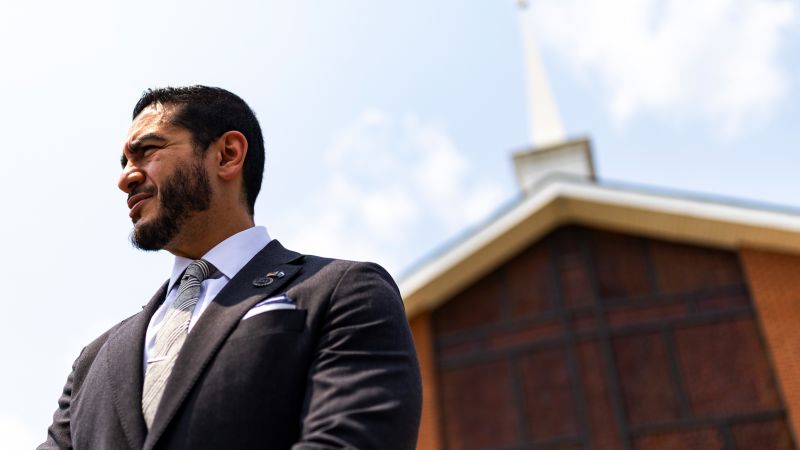

The upcoming Michigan Senate primary, featuring progressive candidate Abdul El-Sayed and moderate Rep. Haley Stevens, has garnered significant attention due to the ideological divide within the Democratic Party. As Black voters weigh their choices, their preferences could determine the outcome, with many expressing skepticism about El-Sayed’s radical views.
The Clash of Ideologies: El-Sayed vs. Stevens
In Pontiac, Michigan, Abdul El-Sayed, the progressive Senate candidate, faces off against four-term Rep. Haley Stevens. This race is critical as both candidates vie to capture the Democratic nomination for the Senate seat being vacated by retiring Sen. Gary Peters. El-Sayed, 41, a former public health official and the son of Egyptian immigrants, aims to rally the progressive base. However, his moderate opponent, Stevens, has deep community ties and support from Black voters, many of whom are wary of El-Sayed’s past actions and comments.
Larry Nix, a 63-year-old Army veteran and potential voter, articulates the prevalent skepticism among constituents. “I’m a big pro-Obama person and you’re dogging his wife,” he noted, questioning El-Sayed’s past criticisms of Michelle Obama’s anti-obesity initiative. Such sentiments reflect concerns about El-Sayed’s policies and the implications they may have on community issues.
The Influence of Racial Dynamics in Voting Preferences
Black voters, who make up about 20% of the Democratic primary electorate in Michigan, historically lean toward more moderate candidates. This trend was evident when Hillary Clinton and Joe Biden secured significant margins among Black voters in their respective primary campaigns. El-Sayed’s focus on progressive issues has not yet resonated with many in the Black community, who feel that the establishment has delivered tangible benefits.
Concerns stem not only from advertisements portraying El-Sayed unfavorably but also from lingering resentment due to actions taken during previous elections. Many Black voters recall El-Sayed’s support for the “uncommitted” movement during the 2024 Democratic primary, which some believe undermined party unity and benefited Republicans in Michigan.
Events like the Soul Day Festival in Detroit highlight the importance of community engagement. Here, Stevens showcased her track record and connection to the community, reinforcing her reputation as a “voice of the people,” while El-Sayed is working to shift perceptions through direct engagement and counter-campaigns.
The Role of Campaign Funding and Advertisement
The race’s financial dynamics are equally critical, with significant outside spending favoring Stevens. Reports indicate approximately $51 million has been committed by outside groups to support her campaign or undermine El-Sayed’s candidacy. This financial support enables Stevens to reach voters more effectively, leveraging ads to shape public perception.
El-Sayed, in response, has emphasized the influence of money in politics, characterizing it as a barrier to authentic dialogue. He argues that heavy ad spend distorts political realities and diminishes the effectiveness of grassroots connections. Nevertheless, Stevens’ proven ability to mobilize support during her congressional tenure adds a layer of credibility to her campaign.
Why This Is Trending
As the Michigan Senate primary approaches, discussions surrounding the ideological divide within the Democratic Party have gained traction. Indian audiences are particularly attuned to global electoral dynamics, including how U.S. policies, particularly concerning Israel and Palestine, resonate with their interests. Furthermore, as a significant number of Indian Americans identify as Democrats, the outcomes of these primaries reflect broader global political sentiments that can affect diaspora communities.
Frequently Asked Questions
What are the main issues fueling the El-Sayed and Stevens debate?
The primary issues include economic stability, community engagement, and political representation for marginalized groups. Voters are also concerned about the candidates’ positions on Israel and Palestine and the effects of their ideologies on U.S. policy.
How is campaign financing impacting the Michigan Senate race?
Campaign financing is significant, with outside groups committing substantial funds to support Stevens. This financial advantage allows her to dominate advertising, which shapes voter perceptions and engagement.
Why are Black voters pivotal in this primary?
Black voters constitute a critical segment of the Democratic electorate in Michigan. Their historical preference for moderate candidates is influencing the race, and their skepticism towards El-Sayed reflects deeper community concerns.
What strategies are candidates using to reach Black voters?
Stevens is leveraging her established community relationships and active presence while El-Sayed aims to reshape his narrative through direct engagement and addressing past criticisms head-on.