
The recent discourse surrounding media coverage of protests in India highlights a growing divide in perceptions of journalist credibility. Amit Malviya, a notable BJP spokesperson, comments on the polarized views of different media factions, reflecting the ongoing tensions between independent and mainstream media narratives.
Media Credibility in Question
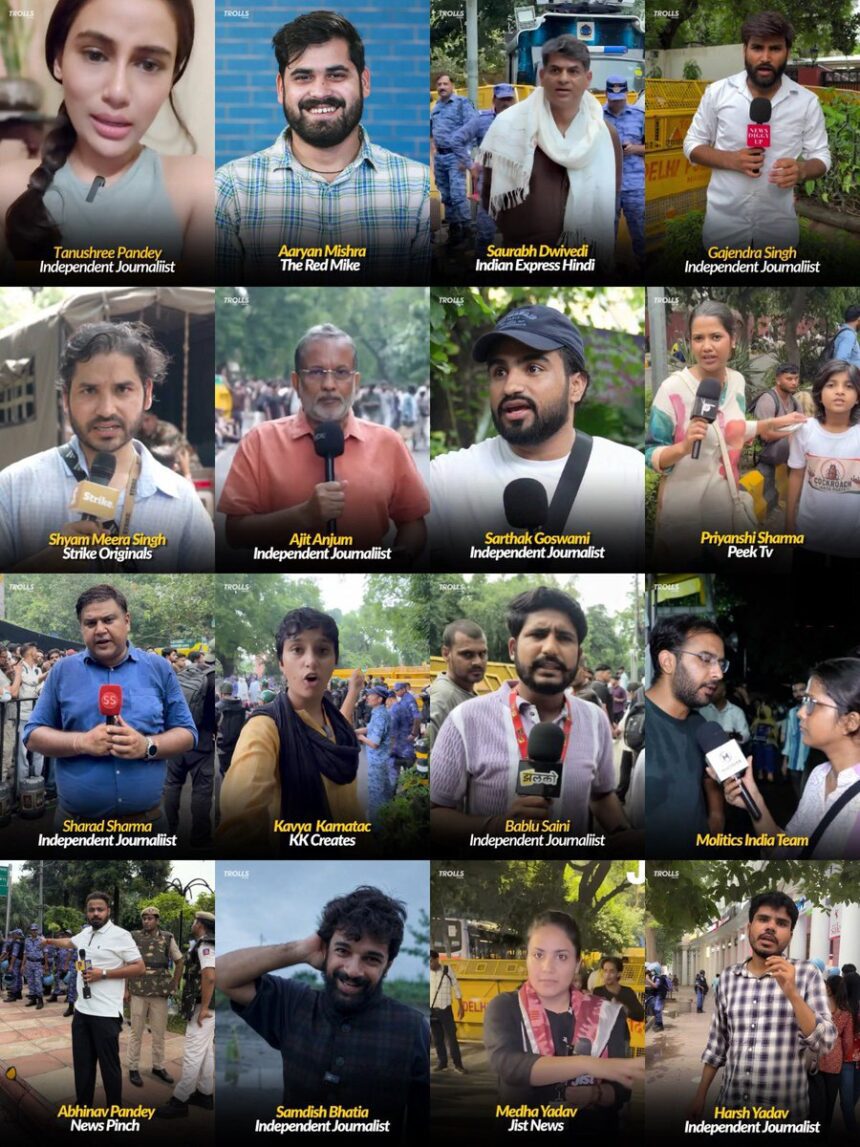
Amit Malviya’s post draws attention to the challenges faced by journalists during recent protests at Jantar Mantar. He denounces the targeting of some journalists, particularly women, who were subjected to severe harassment. Malviya contrasts this with accusations against certain media individuals who are perceived as biased, coining the term “godi media” for those aligned with the ruling party. He emphasizes the need for a balanced assessment of media roles, urging that all journalism should be scrutinized based on consistency of independence, not merely based on differing political perceptions.
The Rise of Independent Journalism
In recent times, independent journalists have emerged as key players in shaping public discourse during protests like the CAA-NRC demonstrations and the farmers’ protests. Unlike legacy media, which has historically been criticized for aligning with governmental agendas, independent journalists have been able to amplify the voices of protesters, delivering crucial ground-level information. This shift has enabled many to develop a more sympathetic viewpoint towards these movements, challenging the traditional narratives propagated by older media outlets.
Polarization of the Media Landscape
The media landscape in India has become increasingly polarized. As Malviya points out, journalists who cover protests can find themselves labeled according to their perceived political alliances. This environment of selective outrage can lead to undermining journalistic integrity. Malviya’s remarks suggest a call for introspection within the media community, advocating for a standard that applies consistently across all journalists, regardless of their affiliations or the dominant narratives they support.
Why This Matters
The ongoing struggle for media independence and credibility is significant in the context of Indian democracy. As public trust in various media forms wavers, the importance of supporting independent journalism cannot be overstated. The ability of citizens to access unbiased information is critical for informed decision-making and public discourse. The current discourse signifies a pivotal moment for media in India, where the roles of journalists are being heavily scrutinized amid larger sociopolitical changes.
Frequently Asked Questions
What does “godi media” mean?
“Godi media” is a term used to describe media outlets that are perceived to be overly aligned with the government, often criticized for lacking journalistic independence.
How have independent journalists impacted public perception during protests?
Independent journalists have effectively brought grassroots narratives to the forefront, allowing for a more diversified portrayal of protests and countering dominant mainstream media perspectives.
Why are labels applied to journalists a concern?
Labeling journalists can undermine their credibility and freedom, potentially leading to a biased public perception of their work, which can stifle diverse viewpoints crucial in a democratic society.
What role does social media play in journalism today?
Social media serves as a platform for both independent and mainstream journalists, allowing for broader dissemination of information and enabling alternative narratives that may not receive attention in traditional media.