
The treatment of Bengali Muslims in Karnataka illustrates a concerning trend of discrimination and social exclusion under both the Bharatiya Janata Party (BJP) and Congress governments. Following the implementation of ‘Operation Mukta’, thousands of Bengali workers were unjustly labeled as undocumented immigrants, reflecting a broader pattern of marginalization faced by Muslim communities in India.
Police Crackdown: Operation Mukta
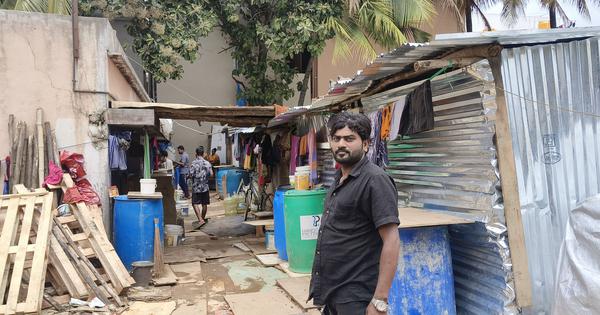
In early August 2023, Bengaluru police launched ‘Operation Mukta’, a special drive targeting Bengali workers purportedly to identify undocumented immigrants. Approximately 3,000 individuals, predominantly Bengali Muslims, were detained during the operation. This included Rafikul Biswas, who had previously endured a four-month wrongful detention on similar accusations. The police targeted areas frequented by Bengali speakers, including garbage collectors. Biswas reported, “Everyone was picked up and accused of being Bangladeshi… despite being Indian citizens.” This operation has drawn significant criticism for its sweeping nature and the harrowing experiences of Indian citizens caught in its net.
Legal Battles and Identity Crisis
Despite possessing valid identification, including a passport, Biswas struggled for his freedom, subjected to an arduous legal battle lasting more than a year. The Karnataka High Court eventually ruled him a citizen of India, affirming that his family had lived in India for generations. However, his ordeal continued as police disregarded the court’s decision, exemplifying an alarming disregard for judicial authority. Such incidents reflect an escalating culture of identity crises faced by Bengali Muslims in the region, who find their citizenship constantly questioned. Even Sheikh Kader, a long-term resident, was detained under the same assumptions without any verification of his identity.
The Role of Right-Wing Rhetoric
Activists highlight that rising ethno-racial tensions in Karnataka have fostered an environment of distrust towards Bengali-speaking workers. Avisikta, a human rights advocate, emphasized the detrimental impact of right-wing rhetoric, noting, “Every Bengali-speaking informal worker is suspected of being Bangladeshi.” This narrative pushes local governments, like Congress in Karnataka, to act against their own citizens under pressure from right-leaning activists who promote a discriminatory agenda. The incident raises broader concerns about the political climate in India, where communalism is increasingly influencing governmental policies.
Why It Matters
The treatment of individuals like Biswas and Kader highlights significant implications for social cohesion in India. This situation sheds light on how systematic discrimination against specific communities deteriorates trust in law enforcement and government. The rise of right-wing influence over state mechanisms poses risks of escalating violence and further marginalization of vulnerable groups. Moreover, it challenges the integrity of democratic institutions like the judiciary when their rulings are dismissed without due process. Understanding these trends is critical for global observers of human rights and democratic governance.
Frequently Asked Questions
What is ‘Operation Mukta’?
‘Operation Mukta’ is a police initiative in Bengaluru aimed at identifying undocumented immigrants, particularly targeting Bengali workers, leading to mass detentions.
Why are Bengali Muslims being targeted in Karnataka?
The targeting stems from rising ethno-racial tensions and escalating right-wing rhetoric that frames Bengali-speaking workers as undocumented migrants from Bangladesh, despite many being Indian citizens.
What legal protections exist for Indian citizens in such situations?
Indian citizens have the right to challenge unlawful detention through the judiciary, as demonstrated by the case of Rafikul Biswas, but enforcement and adherence to such rights can be inconsistent.
What are the broader implications of this crackdown?
The widespread detentions reflect systemic discrimination and could result in long-term social fragmentation, increased communal tensions, and erosion of trust in governmental institutions among marginalized communities.