
Bangladesh has successfully facilitated the return of 24 individuals, including six Rohingya refugees, detained by the Arakan Army after they unintentionally crossed into waters near Burma’s Rakhine State. This incident highlights ongoing border tensions and the complexities arising from the growing influence of the Arakan Army in the region.
Recent Developments in Detentions and Returns
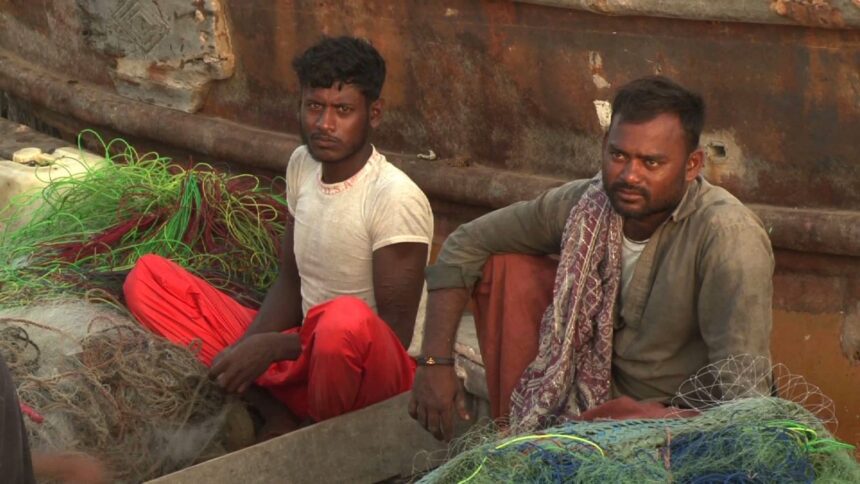
On a recent Wednesday, a group of 24 individuals returned to Bangladesh across the Naf River, a critical boundary between Bangladesh and Burma. This group consisted of 18 Bangladeshi nationals and six Rohingya individuals who had previously been living in refugee camps in Bangladesh. The Daily Sun reported that the return was made possible after discussions were held with the Arakan Army, which controls significant areas of Rakhine State.
Bangladesh’s border force played a vital role in the handover process, verifying details and securing the agreement for the return of the detainees. The 24 individuals were transported to Teknaf, located in the southeastern Cox’s Bazar district, known for hosting the largest Rohingya refugee population in the world. The return is part of a broader initiative aimed at addressing the growing number of detentions by the Arakan Army.
Rising Tensions and Detention Statistics
The situation on the border has escalated, with the Arakan Army reportedly detaining a considerable number of individuals since early 2025. According to the Bangladesh Border Guard, between January 1, 2025, and August 19, 2026, a total of 434 individuals were detained, with 222 being Bangladeshi nationals and 212 Rohingya. This indicates a systematic pattern concerning the unlawful detention of individuals crossing into Arakan-controlled waters.
As of now, 348 individuals have been successfully returned to Bangladesh, comprising 157 Bangladeshis and 191 Rohingya. Despite these efforts, there are still 86 individuals—65 Bangladeshis and 21 Rohingya—remaining in the custody of the Arakan Army, shining a light on the challenging realities faced by local fishermen and refugees trying to navigate the complexities of cross-border relations.
The Broader Implications of Border Control
The changing dynamics in Rakhine State, where the Arakan Army’s military capabilities have expanded significantly, poses renewed challenges for Bangladesh’s border security and diplomatic communications. With the Arakan Army exercising effective authority along much of the frontier, Bangladesh is now compelled to engage with a non-state armed group rather than a traditional sovereign government, complicating its border relations. This shift not only impacts local fishermen but also affects the lives of thousands of Rohingya refugees living in camps in Bangladesh.
Bangladeshi officials have voiced their commitment to recovering the remaining detainees, emphasizing the delicate balance they must maintain while navigating internal security and humanitarian obligations. The complexities surrounding this issue illustrate the urgent need for a robust international dialogue on refugee rights and cross-border collaboration in conflict areas.
Why It Matters
The situation on the Bangladesh-Burma border affects not only regional security but also international efforts to address refugee crises. The ongoing detentions and the rising influence of non-state factions like the Arakan Army complicate humanitarian responses and diplomatic relations. Furthermore, as local authorities work to recover detained individuals, the challenge of ensuring safe and humane treatment for both refugees and nationals becomes paramount. The necessity for international support and engagement is evident, as stability in this region is vital for the broader Southeast Asian landscape.
Frequently Asked Questions
What is the Arakan Army?
The Arakan Army is an ethnic armed group in Myanmar’s Rakhine State, seeking greater autonomy for the Rakhine ethnic population and often clashing with the Myanmar military.
How many people have been detained by the Arakan Army in 2025?
Between January 1, 2025, and August 19, 2026, the Arakan Army detained a total of 434 individuals, comprising predominantly Bangladeshi nationals and Rohingya refugees.
What efforts is Bangladesh making to recover detainees?
Bangladesh has been actively negotiating with the Arakan Army and confirming identities of detainees to facilitate their safe return, with previous successful recoveries marking ongoing efforts to address the situation.
Why are fishermen crossing into Arakan-controlled waters?
Fishermen from Bangladesh often cross unintentionally into Arakan-controlled waters while fishing in the Bay of Bengal, leading to arrests and detentions by the Arakan Army.