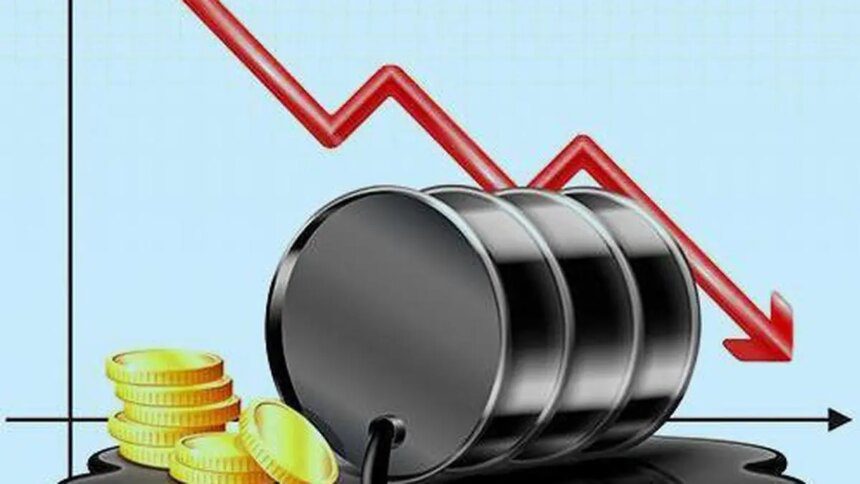

Global crude oil prices are projected to stabilize at around USD 70 per barrel by the end of 2027. This shift is driven by increasing non-OPEC+ supplies and declining demand from China, which is expected to push the market towards a surplus. A recent JM Financial report emphasizes that while refining margins will remain strong in the short term, the balance of oil supply and demand will become more favorable for consumers in the coming years.
Supply Dynamics Shifting Towards Surplus
The JM Financial report indicates a significant shift in the dynamics of global oil supply and demand. The anticipated balance will be influenced heavily by growth in non-OPEC+ production, particularly in countries like the United States and Brazil. Conversely, China’s oil demand is expected to decline, contributing to a surplus. This is crucial for India, as it remains one of the largest importers of crude oil. With the possibility of lower global prices, India could see a decrease in its import bills, aiding fiscal stability.
Volatility Ahead: Near-Term Expectations
Despite the long-term outlook, the report warns that Brent crude oil prices may remain high and volatile in the near term. Factors such as geopolitical tensions and fluctuating market conditions could lead to unpredictable spikes in prices. According to Iman Nasseri, Senior Vice President for Middle East and Asia at FGE Nexant, these fluctuations are likely to persist until supply-demand dynamics stabilize, forcing India to be vigilant in evaluating its energy policies and import strategies.
Refining Margins to Stay Strong
Another key takeaway from the report is the expected elevation of refining margins. Diesel supply constraints will play a pivotal role in maintaining these stronger margins longer than anticipated. Despite potential price corrections on crude, Indian refineries may benefit from elevated margins, which could contribute positively to their profitability. However, as global refinery runs remain constrained—approximately 5 million barrels per day lower compared to previous months—the Indian refining sector may need to adjust its operations accordingly to capitalize on this window of opportunity.
What This Means
For Indian readers, these projections indicate an upcoming period where crude prices might favor domestic consumers and industries. A reduction in oil prices could lead to cheaper transportation costs, thus benefiting the overall economy. Additionally, with the expected volatility in the oil market still present in the short term, stakeholders in the Indian energy sector—ranging from government agencies to private companies—will need to adopt strategies that mitigate risks associated with price fluctuations. Overall, a more balanced global oil supply chain could lead to a favorable shift in India’s trade balance.
Frequently Asked Questions
What factors are causing crude oil prices to potentially drop by 2027?
Increasing non-OPEC+ supplies and a decline in China’s oil demand are the main factors pushing crude oil prices towards a surplus, as outlined in the JM Financial report.
How does fluctuating crude oil prices impact the Indian economy?
Fluctuating crude oil prices directly affect India’s import bill, inflation, and overall economic stability. Lower prices could ease financial pressures on both the government and consumers.
Are refining margins expected to increase or decrease in the near term?
Refining margins are expected to remain elevated in the near term due to supply constraints in diesel. This presents an opportunity for Indian refineries to enhance profitability.
What geopolitical factors could influence crude oil prices in the future?
Geopolitical tensions, particularly in the Middle East, and the potential for a US-Iran agreement could significantly impact oil supply chains and pricing. However, a deal appears unlikely in the near term, which may sustain current price volatility.