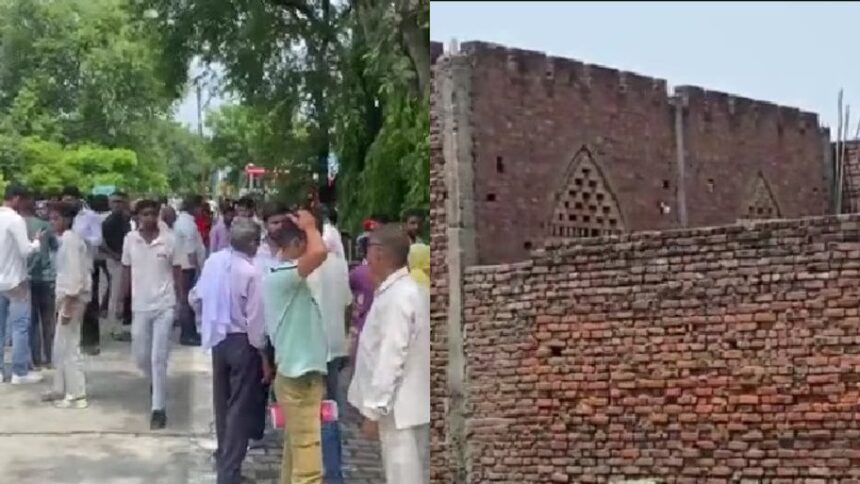

A mosque under construction in Uttar Pradesh’s Baghpat district has ignited significant controversy fueled by demands from right-wing Hindu groups for its removal. Allegations of illegal construction have been met with protests, raising concerns of discrimination and tension in a region already fraught with communal sensitivities.
Background of the Dispute
The mosque and madrasa in question, located in the Kamla Nagar area of Baraut town, are reportedly being built on land claimed to be without necessary permissions. Hindu organizations have approached local authorities, insisting that the structures be demolished. This has heightened anxieties among local Muslim residents, leading them to fear for their safety and communal harmony.
In response to complaints, the Baghpat Development Authority issued a notice mandating a submission of building documents within seven days. Following the expiration of that notice, the absence of any demolition has led to renewed calls from Hindu groups for immediate action.
Allegations and Official Response
Members of the protesting Hindu organizations claim the mosque and madrasa have been under construction over the past four to five years despite significant opposition from the predominantly Hindu local demographic. They have raised concerns over alleged misconduct by individuals visiting the mosque, citing intimidation faced by Hindu women and girls, although these allegations remain unverified and lack credible support.
The Sub-Divisional Magistrate (SDM) ordered an inquiry into the situation after previous protests. However, no formal announcement has been made deeming the mosque or madrasa illegal as of yet. Critics suggest that this indecision is symptomatic of broader issues related to social and religious marginalization within Indian society.
Community Reactions
The ongoing protest has left local Muslim residents feeling vulnerable and uneasy. Many have expressed concerns not only about the potential dismantling of the mosque but also about the broader implications of rising communal tensions. Some community members noted that the majority of local Hindus do not support the demolition but feel pressured by a vocal minority, leading to an environment of fear.
With previous complaints against the mosque dating back two months, the current atmosphere reflects a pattern of discrimination against Muslim places of worship. This escalation in tensions has drawn attention to the fragile state of communal coexistence in the region, exacerbating existing rifts fueled by political narratives.
Why It Matters
The situation in Baghpat represents a critical juncture for minority rights in India, particularly concerning the treatment of Muslims under the current political climate. Incidents such as these reflect broader issues of social exclusion and marginalization that threaten the fabric of India’s diverse society. Communities face repercussions ranging from economic boycotts to heightened surveillance, impacting their everyday lives and freedoms. Understanding the dynamics at play is crucial for policymakers and advocates aiming to promote inclusivity and reduce communal strife.
Frequently Asked Questions
What prompted the protests against the mosque in Baghpat?
Protests were initiated by right-wing Hindu groups claiming that the mosque was constructed without the necessary permissions and have called for its demolition.
Are there any official declarations about the mosque’s legality?
As of now, the district administration has not officially declared the mosque or madrasa illegal, despite inquiries and ongoing scrutiny into the construction.
What are the implications of this dispute for the local community?
The dispute has created an atmosphere of fear among local Muslims, raising concerns about potential violence and further discrimination in a community already under stress due to socio-political dynamics.
What has been the response from the local administration?
While the Baghpat Development Authority issued a notice for documents, there has been no action taken regarding the demolition of the mosque, and the administration has so far refrained from making definitive judgments about its legality.