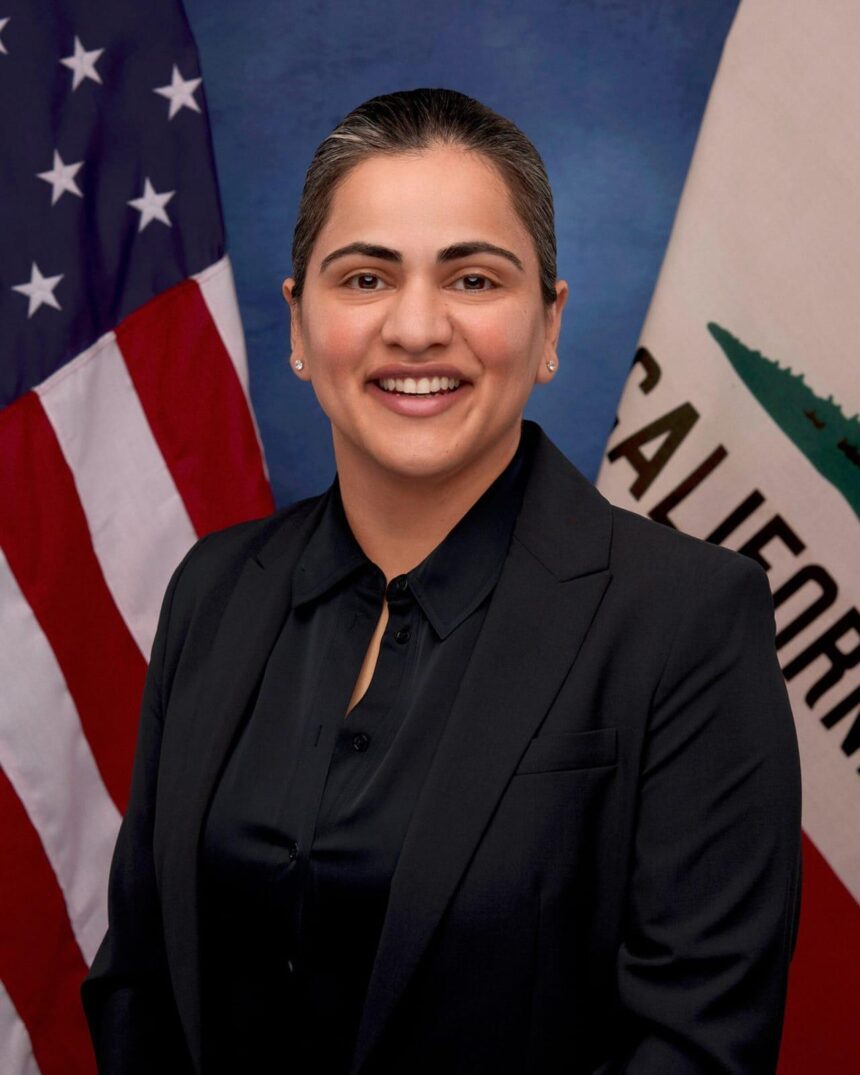

Afghan American Aisha Wahab Makes History in California Congressional Bid
Aisha Wahab has made history by becoming the first Afghan American elected to the U.S. Congress after winning a special runoff election for California’s 14th Congressional District. This election follows the resignation of former Rep. Eric Swalwell amid serious allegations, highlighting the evolving political landscape in the United States and the unique challenges that candidates face, particularly those in minority communities.
Election Results and Background
With 100% of the votes counted, Wahab secured 53.1% of the ballots, defeating her Democratic opponent Melissa Hernandez, who garnered 46.9%. The election was particularly notable as Wahab is not only the first Afghan American but also the first Muslim to be elected to the California Senate previously. Her campaign was characterized by a progressive Democratic platform, specifically focused on pro-Palestinian issues. In contrast, Hernandez campaigned on a pro-Israeli platform and received significant financial backing from influential organizations such as the American Israel Public Affairs Committee (AIPAC), which contributed almost $3 million to her campaign.
Campaign Dynamics and Community Response
The election saw an influx of outside funding, provoking reactions from Wahab. In her interview with CBS in San Francisco, she expressed pride in her district’s discernment amidst what she termed “false rhetoric” and “false narratives.” This sentiment reflects a broader community response to the political climate that often sidelines minority voices in favor of established interests. As the political arena continues to evolve, this election serves as a case study on how financial power shapes electoral outcomes, yet also showcases the resilience of community-driven narratives.
The Road Ahead: Rematch and Reconfiguration
Looking ahead, Hernandez has expressed optimism about her chances in the upcoming rematch set for November 3rd during the midterm elections. With a newly redrawn congressional map, she claims that the updated district now includes an additional 26,000 voters, which could alter the dynamics of the race. Hernandez previously served as the mayor of Dublin, and she aims to capitalize on her established local connections. “Our team has done an amazing job to be able to close a gap by 20 points,” she asserted, indicating her strategic approach for the rematch. As both candidates gear up for another contest, the political stakes are high, reflecting ongoing issues of representation and community engagement in American politics.
Why It Matters
The election of Aisha Wahab is more than a singular achievement; it represents a shift toward greater inclusivity in American politics. As the U.S. continues to grapple with issues of diversity and representation, Wahab’s victory emphasizes the necessity for political platforms that resonate with diverse communities. The impending rematch will further test the effectiveness of campaigning strategies in addressing community concerns versus external influences. The outcomes of such elections can shape policy directions, especially on critical issues such as immigrant rights, social justice, and international relations. Furthermore, for aspiring candidates from marginalized backgrounds, Wahab’s journey serves as an inspiration, dismantling barriers and encouraging grassroots movements for political change.
Frequently Asked Questions
Who is Aisha Wahab?
Aisha Wahab is the first Afghan American and Muslim elected to the U.S. Congress. She won a special runoff election for California’s 14th Congressional District.
What were the election results?
Aisha Wahab received 53.1% of the vote, defeating Melissa Hernandez, who received 46.9%. The election was characterized by significant financial backing for both candidates, particularly Hernandez.
What issues did Wahab campaign on?
Wahab ran on a progressive Democratic platform that included pro-Palestinian issues, aiming to challenge prevailing narratives in political discourse.
When is the rematch election?
The rematch between Wahab and Hernandez is set for November 3rd, coinciding with the midterm elections. The newly drawn congressional map could impact voter demographics in the district.