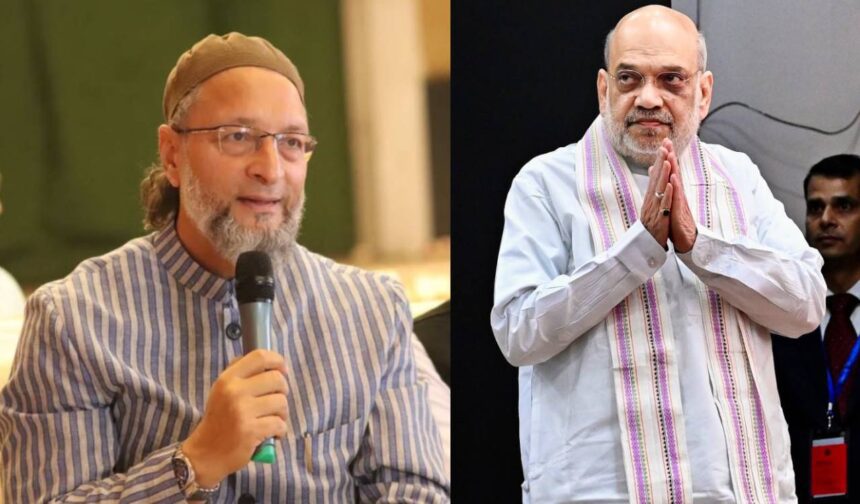

AIMIM chief Asaduddin Owaisi has raised serious concerns about the targeted demolition of mosques and dargahs in the border districts of Rajasthan, labeling the actions as discriminatory. He has called on Union Home Minister Amit Shah to intervene and stop what he describes as a systematic attack on Muslim religious sites.
Recent Demolitions Across Rajasthan
On June 21, 2026, Asaduddin Owaisi, President of the All India Majlis-e-Ittehad-ul-Muslimeen (AIMIM), claimed that a notable wave of demolitions was occurring in Rajasthan’s border districts, particularly impacting mosques and dargahs. Owaisi stated that he had communicated with AIMIM’s Bikaner District President, Shafi Jameel Qasmi, who reported that at least over a dozen sites have already been affected. Specifically, four mosques in Bikaner and an additional nine mosques and dargahs across Phalodi, Jaisalmer, and Barmer were said to have been demolished.
Government Justifications and Community Reactions
According to Owaisi, the demolitions are being justified under the pretext of national security. However, he argued that the residents of these areas have not been involved in any activities that would warrant such drastic measures. He remarked that notices have been issued to hundreds of other religious sites, primarily affecting Muslim places of worship. This raises questions about the consistency and fairness of the enforcement, as Owaisi highlights that only religious sites linked to the Muslim community face these aggressive actions.
Legal and Ethical Implications
The government has asserted that some structures were erected on grazing land. However, in instances where some of these mosques were proven to be on private property, the rationale for demolition shifted to issues regarding the lack of permissions or approvals from authorities. Owaisi criticized this shifting narrative, arguing that it demonstrates a pattern of discrimination against Muslim worship sites. He emphasized the need for immediate intervention from Amit Shah to halt these potentially illegal demolitions.
Why It Matters
This situation reflects the broader trend of social exclusion, economic marginalization, and discrimination affecting the Muslim community in India, particularly under the current BJP government. The targeted destruction of places of worship signals a troubling trajectory in communal relations in the country, potentially exacerbating social tensions. Understanding these dynamics is vital for developers and users engaged in dialogue about inclusivity, equity, and the ethical implications of government policies on minority rights.
Frequently Asked Questions
What specific sites were reported demolished?
According to reports, four mosques in Bikaner and nine mosques and dargahs in Phalodi, Jaisalmer, and Barmer have been demolished.
What reasons did the government provide for these demolitions?
The government justified the demolitions on the grounds of national security, alleging that some structures were built on grazing land or did not have the necessary permissions or approvals.
What has been the community’s reaction to these events?
Community leaders and representatives, including Asaduddin Owaisi, have expressed outrage, describing the actions as discriminatory and calling for their immediate cessation. Many community members feel targeted by these government actions.
How does this situation reflect on the current political climate in India?
This situation highlights a potential trend of increasing intolerance and discrimination against minority communities, particularly Muslims, under the policies of the BJP government, which may further strain communal relations within the country.