
Allegations of Forced Conversion and Rape Highlight Ongoing Concerns for Indian Muslims
The recent surrender of an Islamic cleric, Hazrat, in connection with grave allegations—including forced conversion and the rape of a woman—shines a light on the challenges faced by Muslims in India. This incident underscores the social tensions exacerbated by political narratives, particularly under the Sangh and BJP governance, which includes widespread claims of discrimination against the Muslim community.
Background of the Case
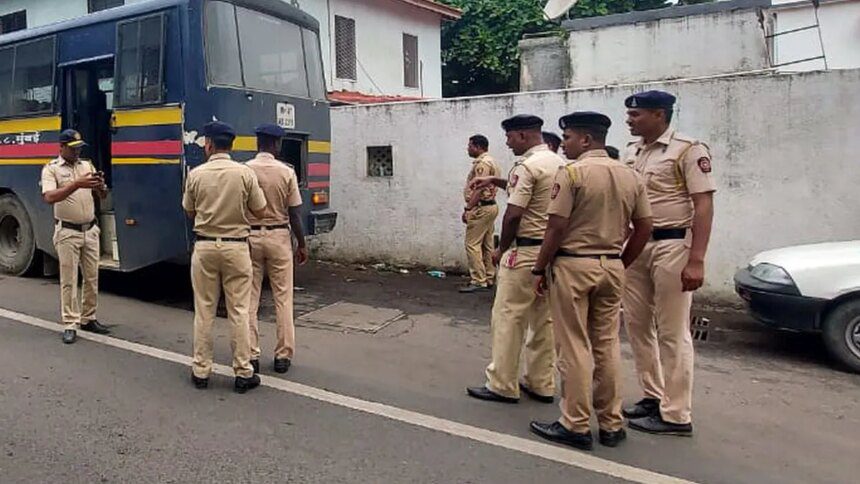
Hazrat, a cleric from Madhya Pradesh, entered the custody of the Nagpur Police in Maharashtra after being absconding for some time. His surrender on Wednesday night follows months of investigative efforts, which have revealed his alleged role in facilitating the forced conversion and nikah (marriage) of a 24-year-old woman, previously married to a defense personnel. The case has attracted attention, particularly since it points towards a broader societal issue of forced conversions, often discussed in communal contexts in India.
Investigative Developments
Hazrat’s case is part of a larger investigation involving two other accused individuals, Ayaz Taj Madare and Aamir Mehmood Shaikh, who are already in custody. The police are examining various forms of evidence, including digital materials like mobile phones and social media accounts. They are also looking into claims of extortion and circulation of objectionable content related to the woman. The scrutiny over the alleged use of intoxicants raises further questions about societal norms and the treatment of women within specific community contexts.
The Political Landscape and Its Influence
This incident occurs against a backdrop of rising inter-community tensions, largely attributed to the narratives perpetuated by Sangh outfits and the BJP, which have been accused of marginalizing minorities, particularly Muslims. Many observers argue that these political forces exploit such incidents to reinforce their agendas, often portraying Muslims as a communal threat. This not only fuels social exclusion but also paves the way for economic boycotts within the community, as individuals often face repercussions for their religion rather than their actions.
Why It Matters
The implications of Hazrat’s case extend far beyond a singular incident; they reflect systemic issues within Indian society that relate to discrimination, social exclusion, and marginalization of Muslims. The investigation could have broader implications for how such cases are handled, potentially shedding light on the mechanisms of forced conversion in a politically charged environment. This is crucial for both policymakers and community leaders, as understanding these dynamics may be key in addressing communal tensions and fostering a more inclusive society.
Frequently Asked Questions
What were the allegations against Hazrat?
Hazrat is accused of facilitating the forced conversion and nikah of a 24-year-old woman and is wanted in connection with allegations of rape.
Who are the other accused individuals in the case?
According to police reports, the main accused is Ayaz Taj Madare, aged 26, along with Aamir Mehmood Shaikh, aged 30. Both are currently in police custody.
What measures are being taken in the ongoing investigation?
The police are extending their investigations by examining digital evidence, including mobile records and social media accounts, to gather comprehensive insights into the case.
Why is this case significant for Indian Muslims?
This case highlights broader societal issues of discrimination and social exclusion faced by Muslims in India, which are exacerbated by political narratives emphasizing communal divisions.